Most BV tests only check for a handful of bacteria. Here's why that's the problem.
Most clinical tests screen for a short list of known bacteria — Evvy sequences your entire vaginal microbiome to find exactly what's driving the cycle.

You finish the seven-day course. The symptoms clear. Two weeks later — sometimes three — the discharge is back, the pH is off, and you're staring at another co-pay.
Your doctor runs the same swab. The results come back positive for BV again.
You get the same prescription. The infection clears, then returns. The cycle continues.
Here's what most women with recurrent BV don't know: the standard test your doctor orders wasn't designed to find why it keeps coming back.
It checks for a few known bacterial overgrowths — usually Gardnerella — and stops there. If the imbalance is coming from a different microbe, or a combination the test doesn't screen for, you'll never see it on the results. Your test stays invisible. You keep treating the surface infection while the root cause hides.
Why do the same infections keep coming back?
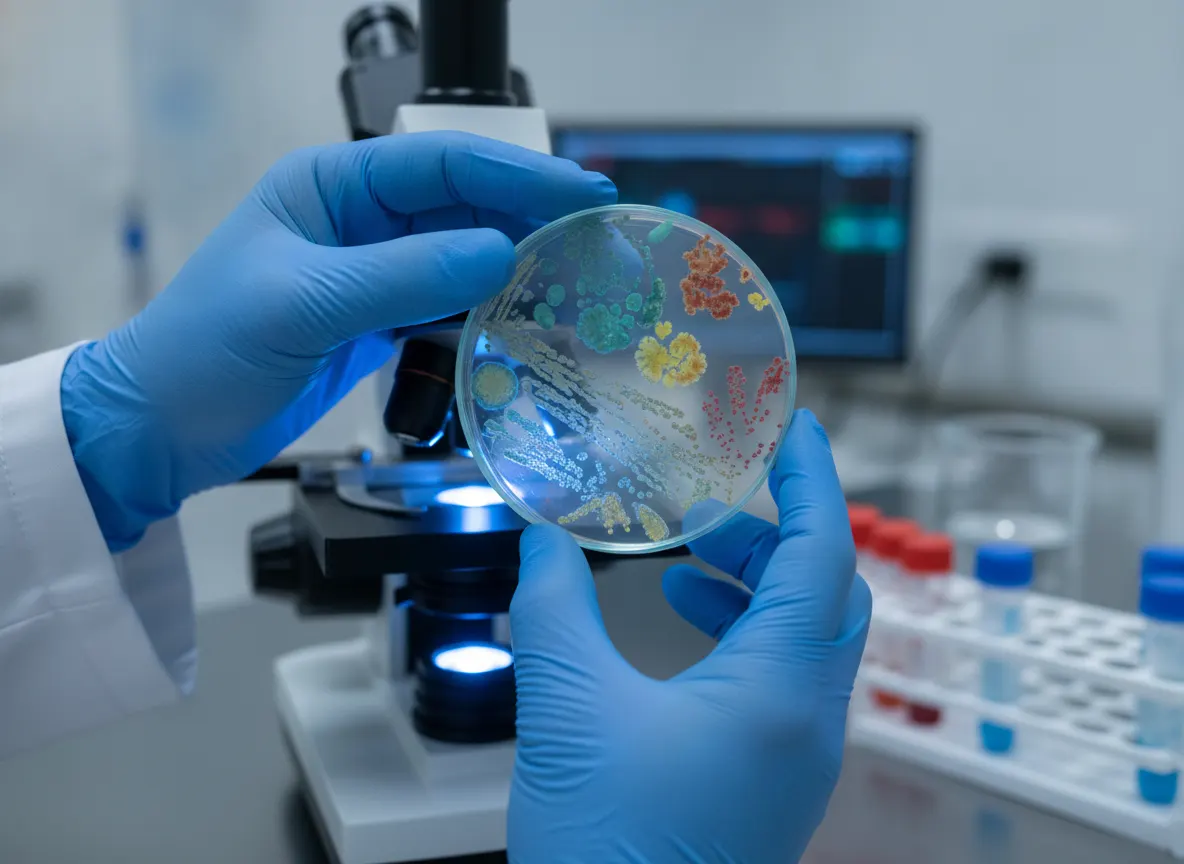
Most vaginal health tests use PCR.
It's a technology that looks for a short, predefined list of bacteria the lab programmed them to detect. If the microbe causing your symptoms isn't on that list, the test won't catch it.
The problem is that your vaginal microbiome contains hundreds of bacterial and fungal species, and PCR panels typically screen for fewer than ten. If your recurrent BV is being driven by an overgrowth the test wasn't built to look for — or by a combination of microbes interacting in ways a limited panel can't map — the results will come back clean, or they'll flag the usual suspects while missing the deeper imbalance.
Metagenomics sequencing reads all the microbial DNA in the sample — bacteria, fungi, everything.
The Evvy test uses this to identify over 700 microbes in a single swab, then shows you which microbes are overgrowing (and which are depleted) and how that imbalance connects to your symptoms. It's the whole ecosystem, not just the usual suspects.
So, how is Evvy different?
You swab at home and mail to a CLIA-, CAP-, and CLEP-certified lab.
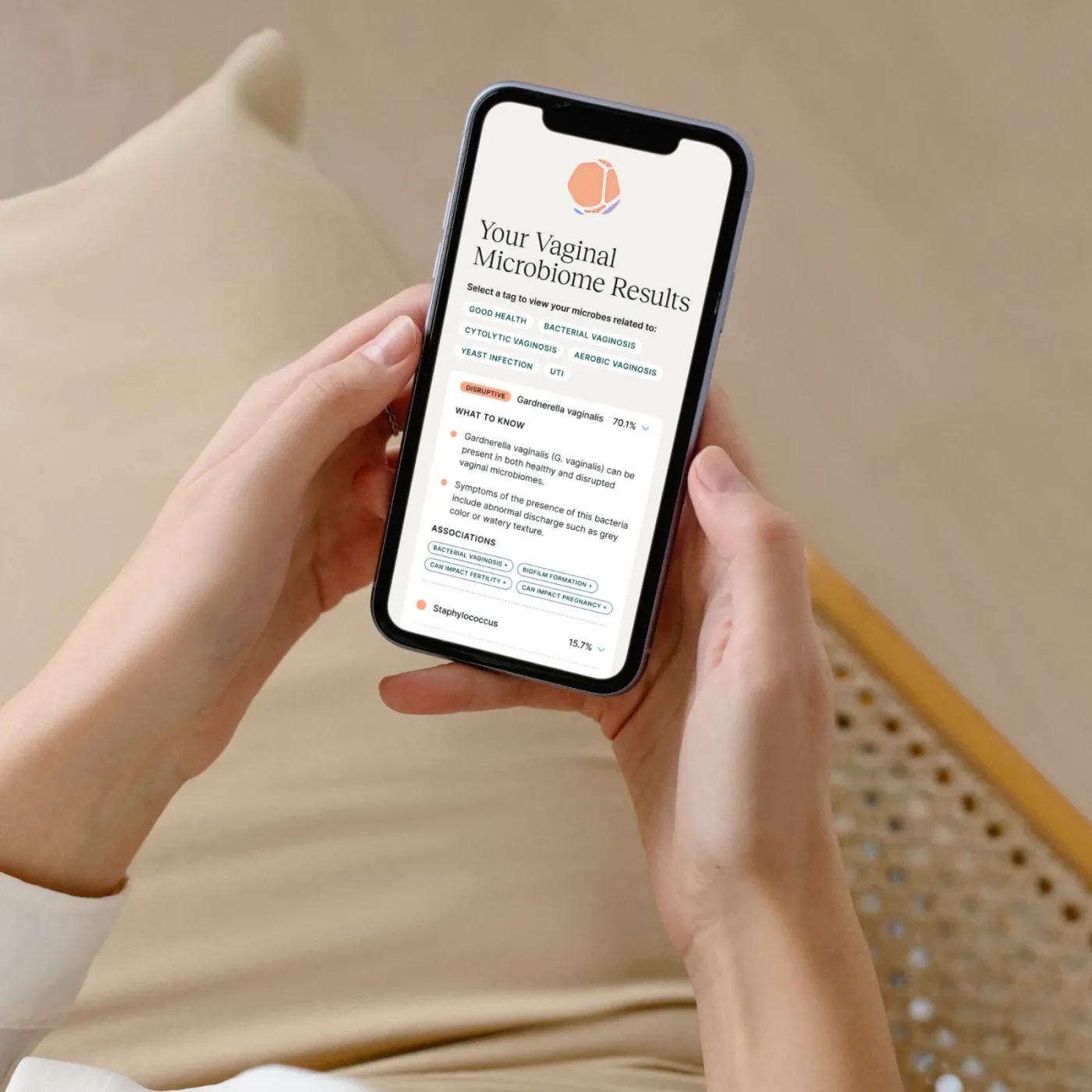
Results arrive in one to three days. The report shows every microbe detected, which ones are overgrowing, which ones are depleted, and which specific imbalances are linked to BV, yeast infections, UTIs, or fertility outcomes.
The test was developed with OB-GYNs from UCSF, Stanford, and other research institutions and is physician-ordered and reviewed — a doctor signs off. But unlike standard clinical tests, it doesn't stop at naming the infection. It explains why your microbiome is out of balance, which protective bacteria are missing, and what's fueling the overgrowth.
The kit includes a free one-on-one health coaching session and personalized treatment — probiotics, dietary shifts, or lifestyle changes tailored to your microbes.
If eligible, opt into Evvy's precision Rx program, which connects you with a provider who prescribes targeted treatment instead of the standard metronidazole-for-everyone approach. Over 100,000 people have used this test. The company's research has been peer-reviewed and published.
What makes it actually work?
Why switch?
 1
1
Evvy sequences 700+ microbes, not just 3-10
Most at-home tests and standard doctor visits rely on PCR or 16s rRNA—panels that check for maybe a dozen known culprits. Evvy uses metagenomics (mNGS), sequencing the entire microbial landscape in a single swab. That comprehensiveness catches the less common bacteria and fungi driving recurrent BV when a limited panel would miss them entirely.
 2
2
Cycles of antibiotics stop when root cause is finally visible
Recurrent BV often circles back because standard tests don't identify what's actually wrong—so treatment targets a symptom, not the cause. In Evvy's research, they've shown that 90% of Evvy testers identify a root case of symptoms after just one test. With that clarity, a personalized treatment plan can address the actual problem, breaking the cycle of repeated infections and repeated doctor visits.
 3
3
Fertility-specific microbiome markers reveal implantation blockers
The test maps bacteria and fungi linked to implantation success and IVF outcomes—data standard fertility tests rarely measure. For women navigating fertility, this goes beyond infection control to show whether microbiome composition is optimized for conception. Prelim results arrive in 1–3 days, giving actionable insight before your next fertility window.
 4
4
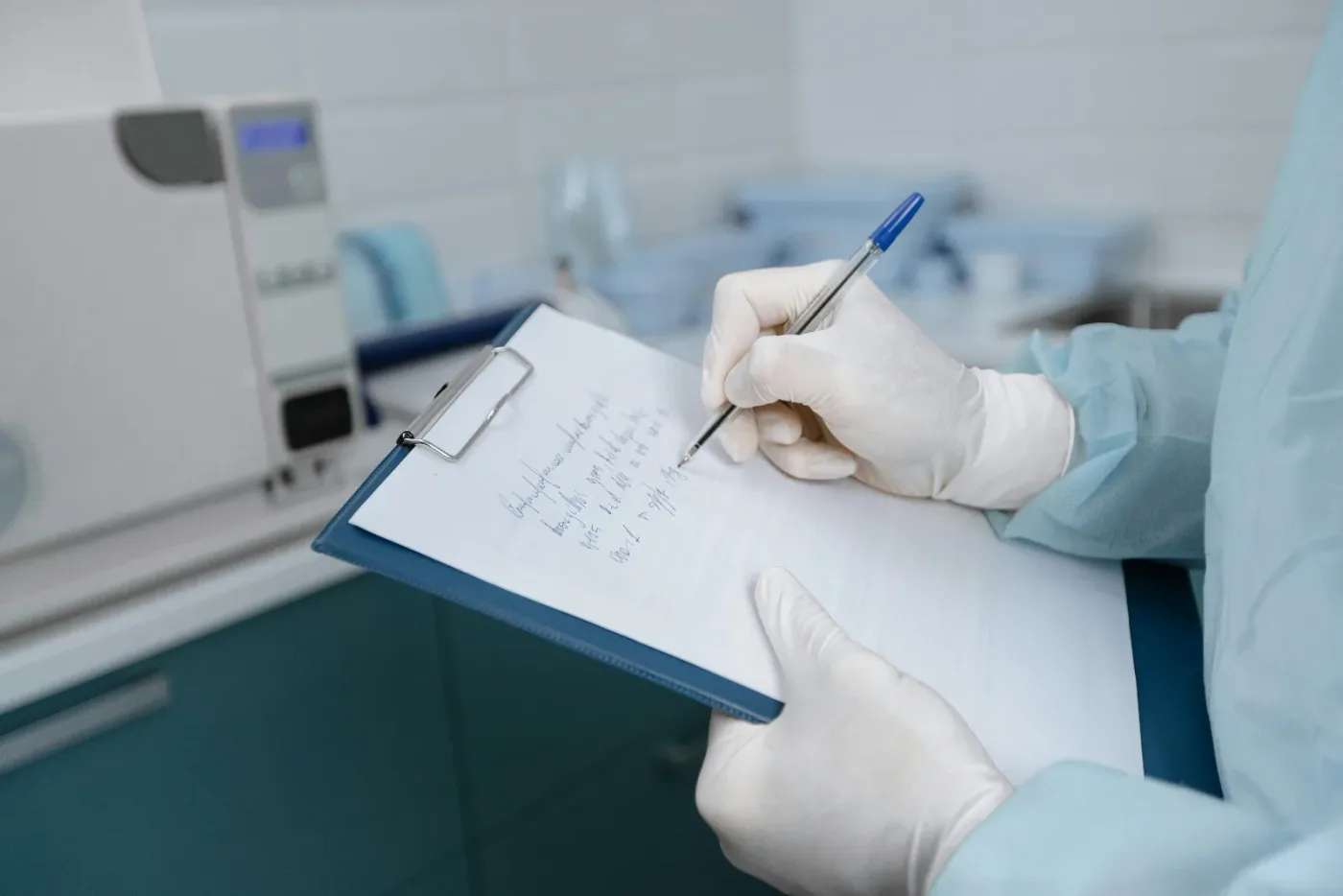
CLIA/CAP/CLEP validation means results a doctor will act on
Every result is reviewed by a physician and backed by a lab certified under CLIA, CAP, and CLEP standards. This isn't a wellness report; it's a clinical-grade test that feeds directly into a personalized care plan and optional precision Rx program designed by OB-GYNs at UCSF and similar institutions.
 5
5
1:1 health coaching personalizes your path—no guessing required
A free coaching session comes with every test, tailored to your specific results and symptoms. You're not handed a report and left to decode it alone; you get a partner in making sense of what the data means for your body.
What are people saying about Vaginal Health Test?
What should you expect?
Most people swab in the morning, drop the kit in the mail the same day, and see preliminary results within 1-3 days. The full report — with coaching session scheduling and treatment plan — arrives within a week.
How does it actually compare?
Standard PCR panels screen for a fixed list of three to ten microbes. Evvy's metagenomics-based approach sequences everything in the sample — no predefined list, no blind spots.
- Test 3-10 bacteria in predefined panels
- Miss rare or atypical microbes causing symptoms
- Results take 5-7 days for full analysis
- No fertility-specific microbiome markers included
- Generic treatment plan
- Detect 700+ bacteria and fungi with metagenomics
- Catch uncommon microbes standard tests miss entirely
- Preliminary results in 1-3 days, physician-reviewed
- Includes implantation and IVF outcome insights
- Custom treatment plan built on your unique microbiome
Get Started Today
What are people asking about Evvy?
Most questions land on three things: how it's different from what their doctor already ran, whether insurance covers it, and what happens if the results show something that needs prescription treatment.
Ready to Start?