7 Reasons Foodies Use the Flake & Kosher Bundle to Recreate Restaurant Dishes
The two-salt system professional kitchens rely on—kosher for seasoning depth, flake for the final crunch.
 1
1
One Bundle Covers the Full Seasoning Arc
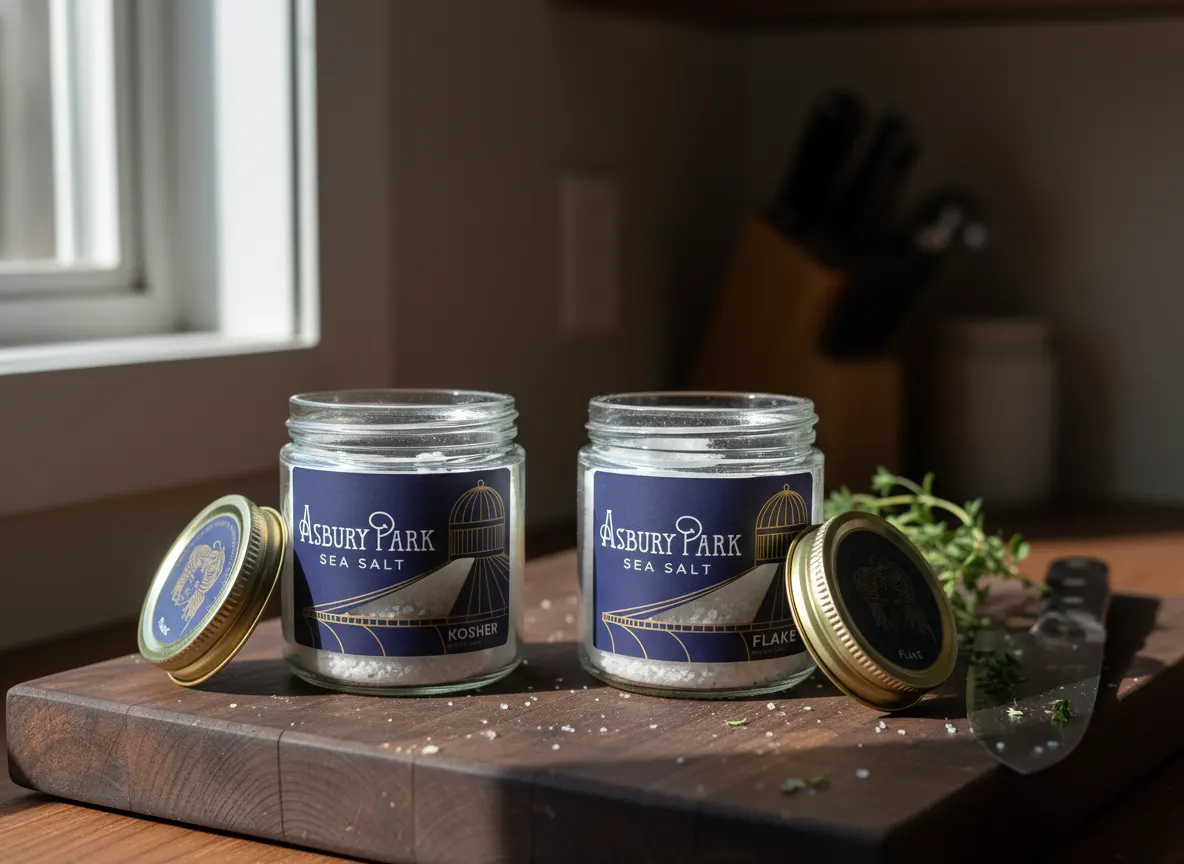
Most home cooks own one salt and try to make it work for everything. Restaurants don't. They season with kosher during cooking, then finish with flake for texture and visual pop. The Flake & Kosher Bundle gives you both in the right proportions: 2.8 oz of kosher for the stovetop, 2.7 oz of flake for the plate.
No more compromising halfway through a recipe when you realize the flake you've been using to season pasta water costs $18 an ounce.
 2
2
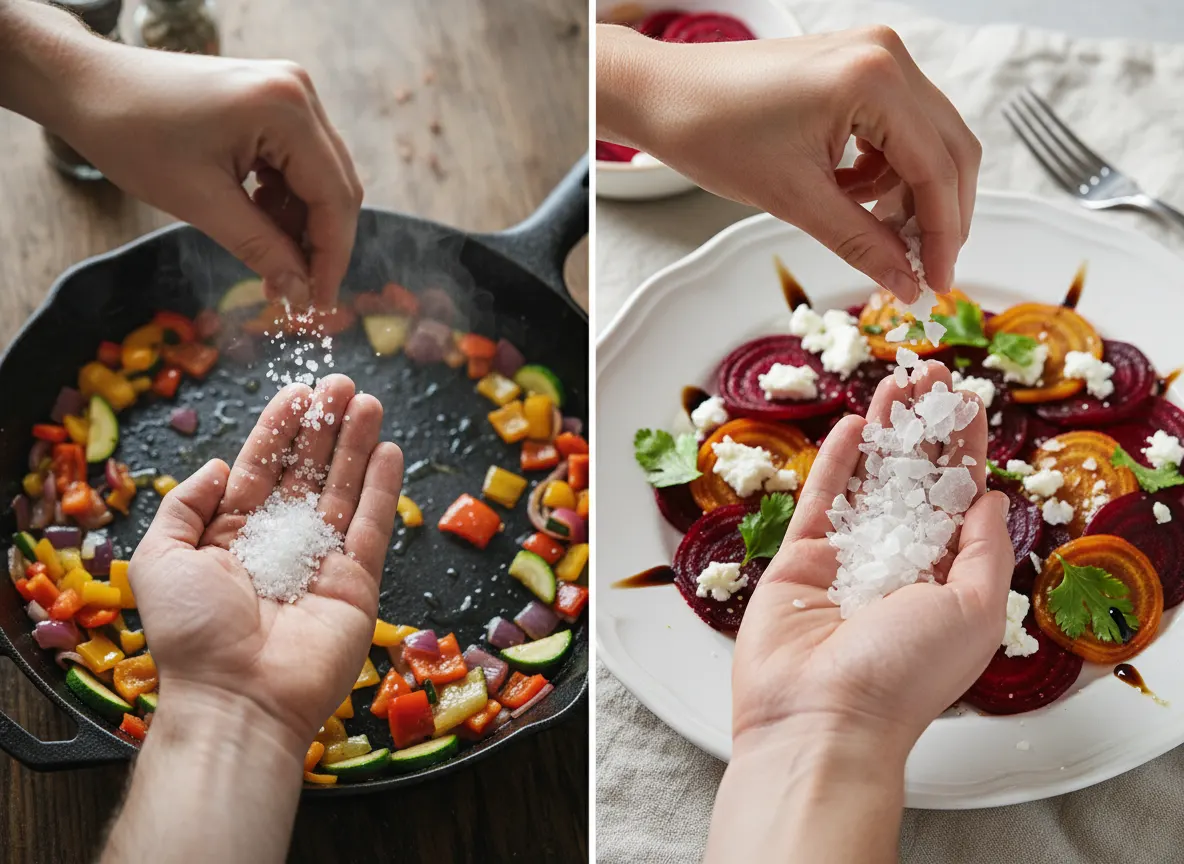
Kosher Grain Size That Dissolves on Contact
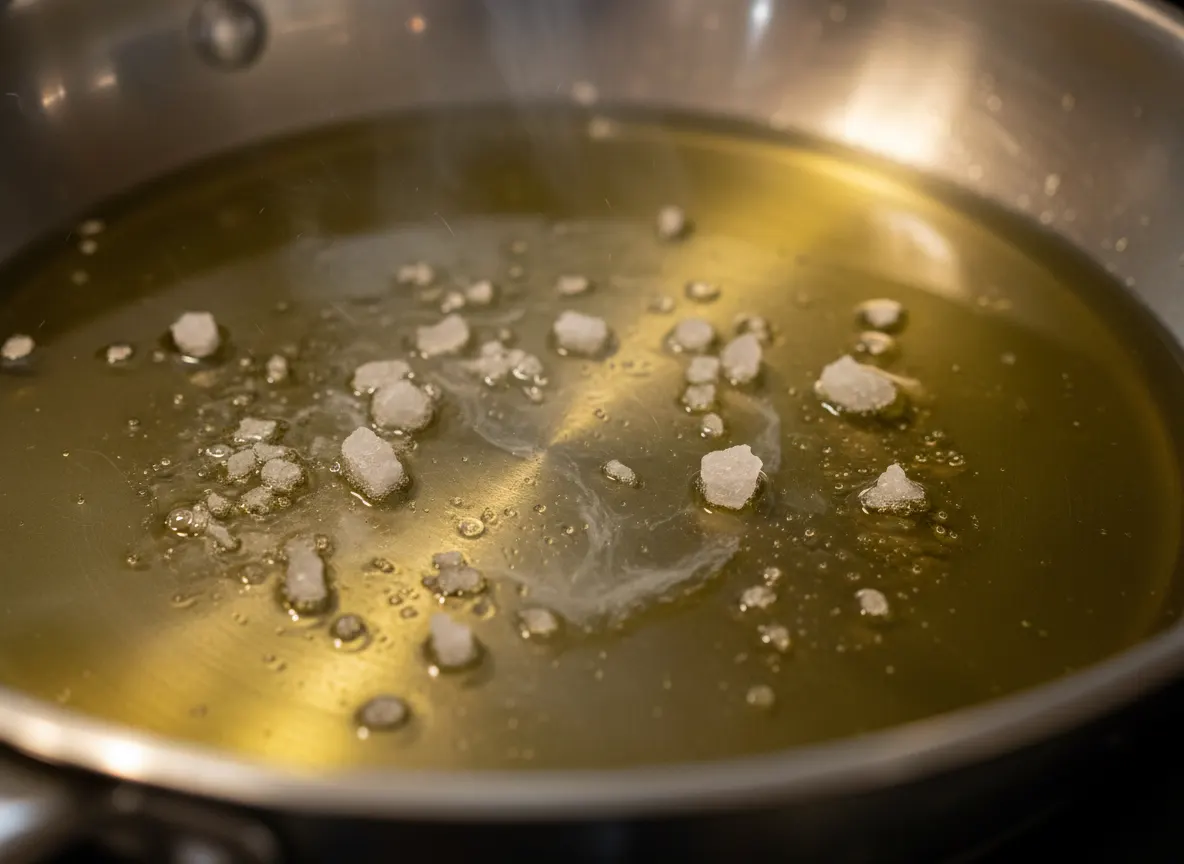
The kosher salt in this bundle is sized for immediate dispersion—the grains hit hot fat or liquid and vanish, leaving even seasoning without grit. You're not waiting for coarse crystals to break down or dealing with table salt that clumps the second it touches moisture.
Grain size this consistent means you can season a pan of vegetables or a pot of stock with the same three-finger pinch every time and get the same result. That's the difference between guessing and knowing.
 3
3
Flake Texture That Delivers Audible Crunch
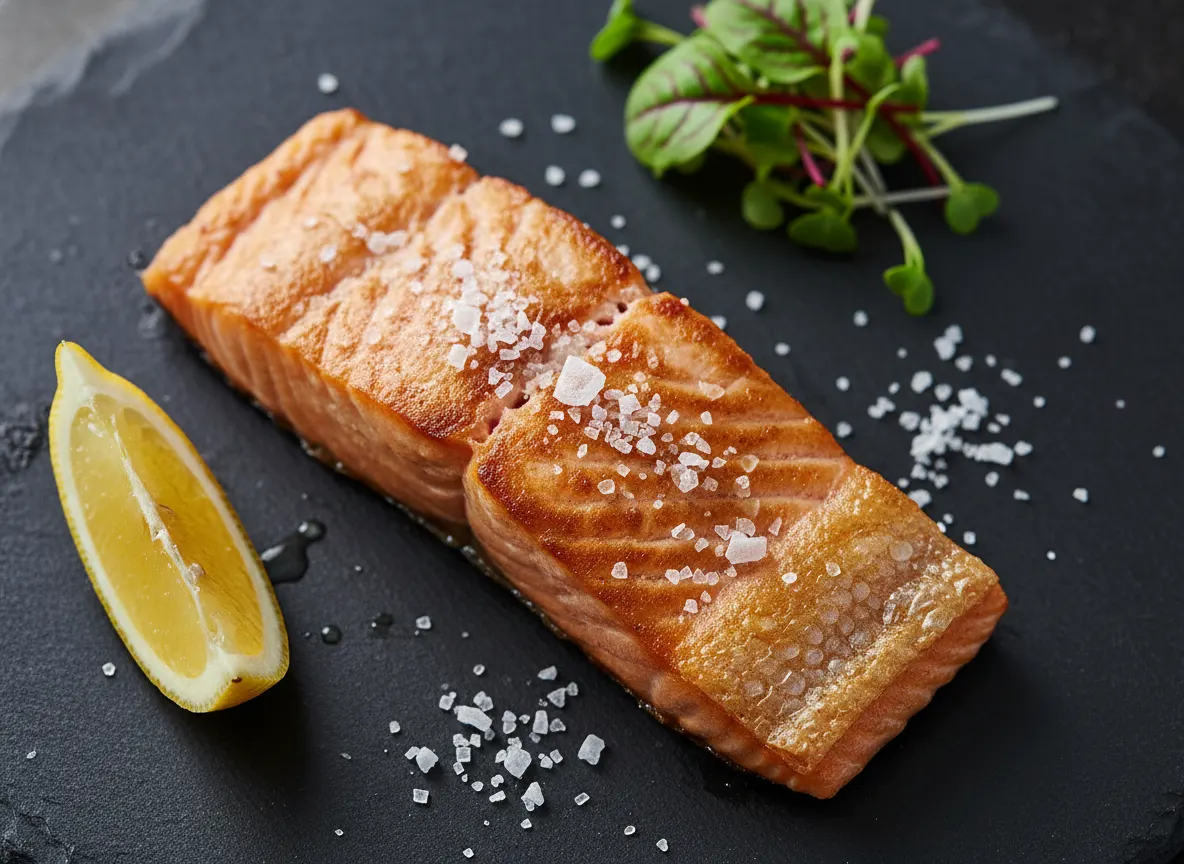
The flake salt is crisp, thin, and fragile. It shatters between your teeth instead of dissolving into mush. Sprinkle it over seared fish, roasted vegetables, or a chocolate tart and you get that audible crunch that makes people look up from their plates. It's not just seasoning—it's a textural layer that reads as intentional plating, the same move you notice when a dish at a good restaurant feels finished instead of just cooked.
 4
4
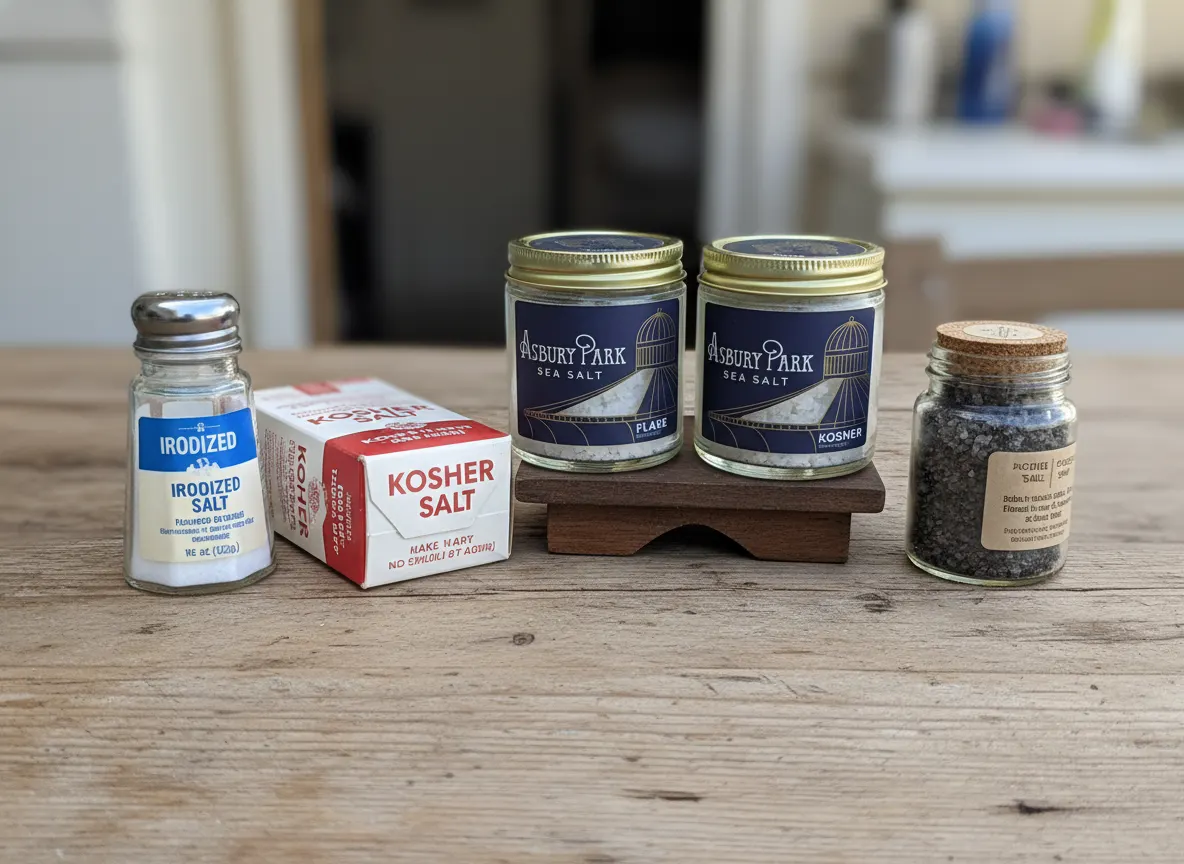
Clean Mineral Flavor Without the Iodine Funk
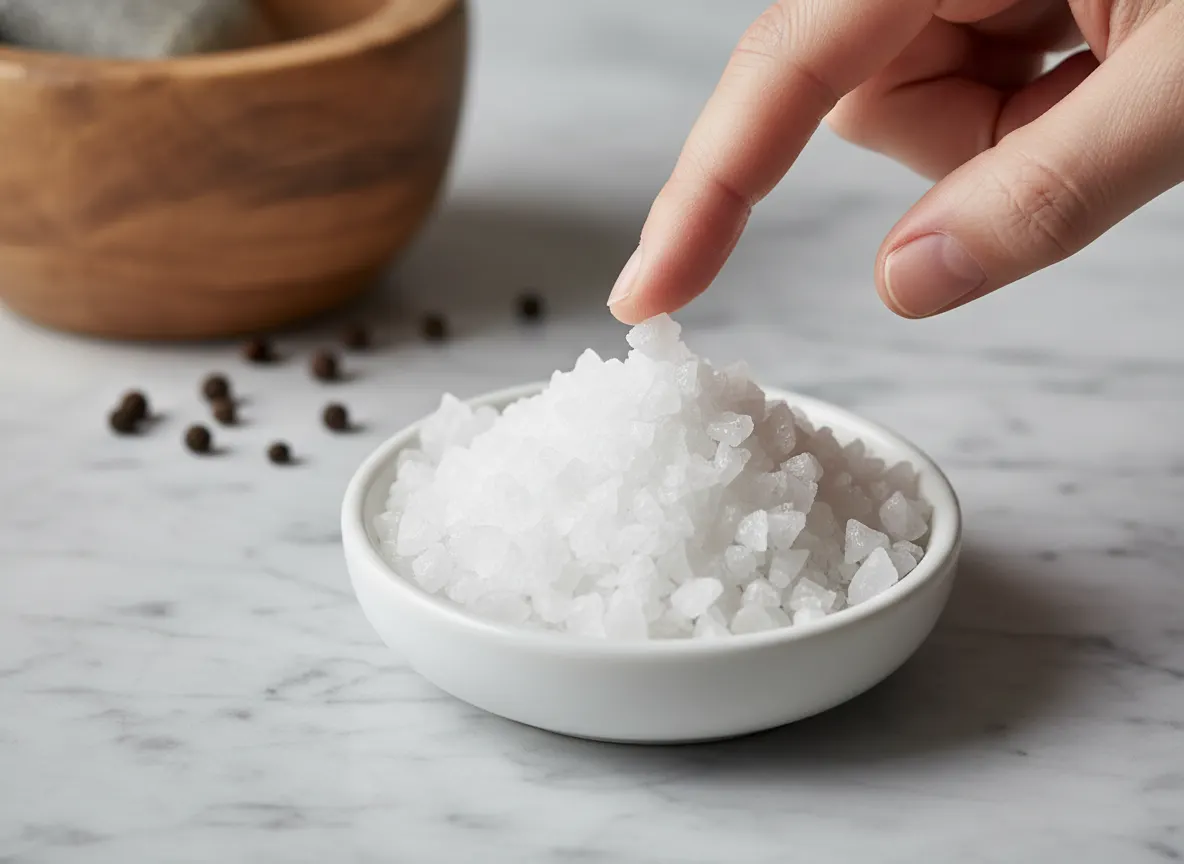
Both salts are sea-sourced and taste like salt should: clean, slightly sweet minerality with no metallic aftertaste. If you've been using iodized table salt, the difference is immediate—no chemical sharpness, no weird funk that sits on your tongue after the dish is gone. The flavor is neutral enough to let your food speak, but complex enough that you notice the difference when you taste a pinch straight. It's the baseline every other seasoning decision builds on.
 5
5
The Grain Sizes Chefs Actually Reach For
Walk into a restaurant kitchen and you'll see kosher for the line, flake for the pass. The bundle mirrors that setup because those two grain sizes solve different problems. Kosher disperses fast enough for stovetop work—sautéing, sweating onions, seasoning proteins before searing. Flake holds its shape long enough to land on a finished plate without disappearing into sauce or melting from residual heat. You're not buying exotic pyramid flakes to salt boiling water. You're using each salt where it works.
 6
6
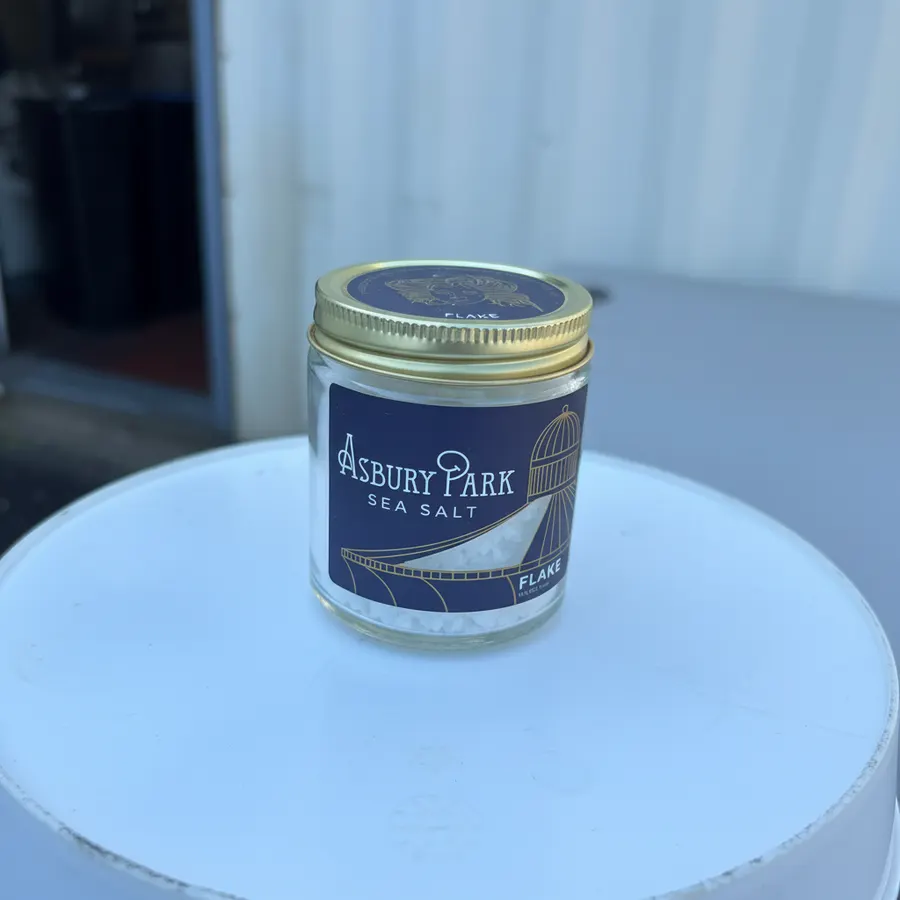
Sea-Sourced Without the Premium Middleman
Most finishing salts at specialty shops run $15–$25 for 4 oz, and kosher worth using costs another $8–$12. You're at $32 minimum buying separately, and you're stuck with mismatched jar sizes that run out at different rates. The Flake & Kosher Bundle gives you 5.5 oz total for $32—both salts, both sizes, both sourced from the same premium sea salt base. No retail markup for boutique branding. You're paying for the salt, not the story on the label.
 7
7
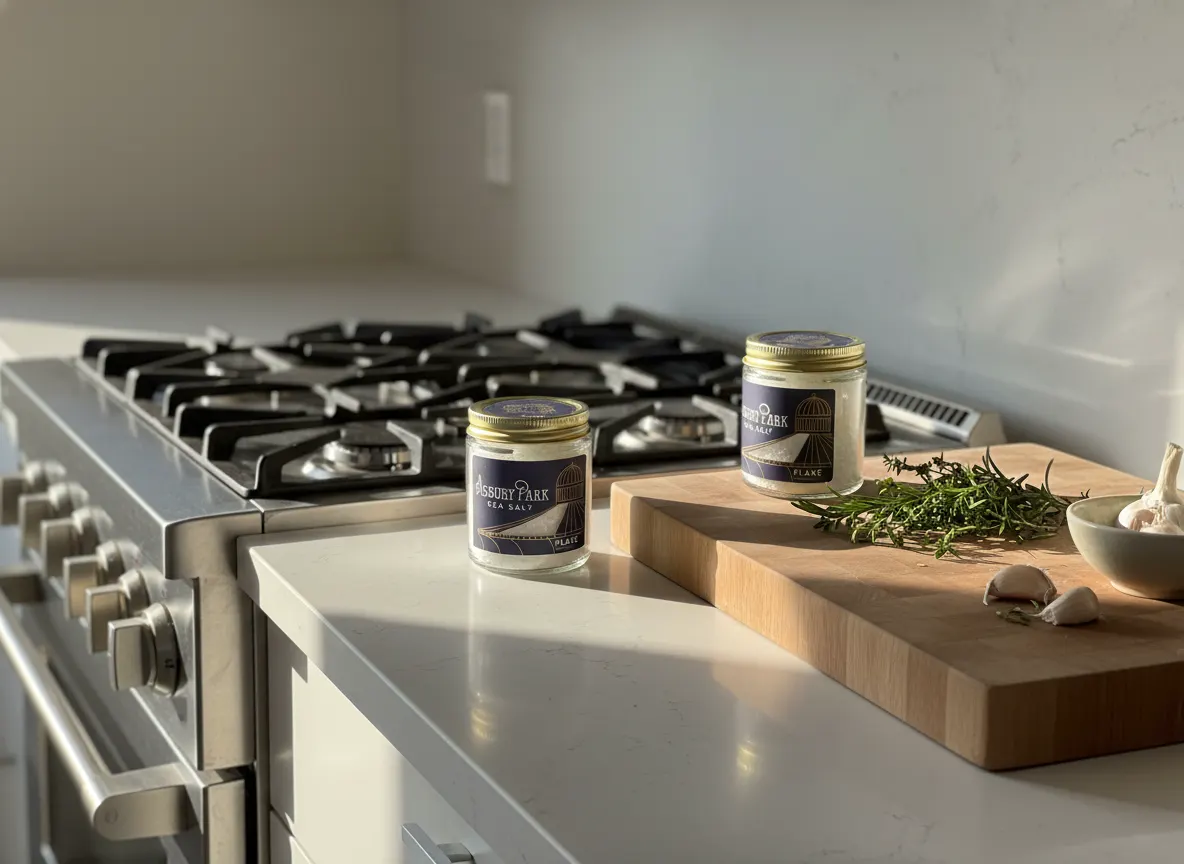
Two Jars That Replace Your Entire Salt Drawer
You don't need six varieties of salt. You need one for cooking, one for finishing, both optimized for their role. The bundle clears out the drawer clutter—the half-empty tins of smoked salt, the impulse-buy pink Himalayan, the fleur de sel you bought three years ago and used twice. Keep the kosher next to the stove. Keep the flake next to your cutting board. Everything else is either redundant or decorative.
Try the Flake & Kosher Bundle
Get Flake & Kosher Bundle
Salt Questions You're Already Asking
Most questions about the bundle come down to three things: when to use each salt, how the grain sizes compare to what you're already using, and whether the price makes sense when grocery-store kosher costs $3. Here's what you need to know.