9 Things Most People Get Wrong About Mushroom Coffee Extracts
The difference between low-quality mycelium powder and real 8:1 fruiting body extract — and why it matters for your energy, focus, and money.

If you've ever tried mushroom coffee and thought it tasted like dirt, dissolved into gritty sludge, or did absolutely nothing for your energy — you probably bought myceliated grain powder marketed as mushroom extract. The difference between what most brands sell and what actually works comes down to one number: extraction ratio. Real fruiting body extract at 8:1 concentration means eight pounds of mushrooms condensed into one pound of powder. The cheap stuff skips the extraction entirely, grinding up mushroom-adjacent filler and calling it functional. Here's what separates the two — and why the distinction matters if you're spending money on clean energy that actually shows up.
Most Mushroom Coffee Uses Mycelium on Grain, Not Actual Mushrooms
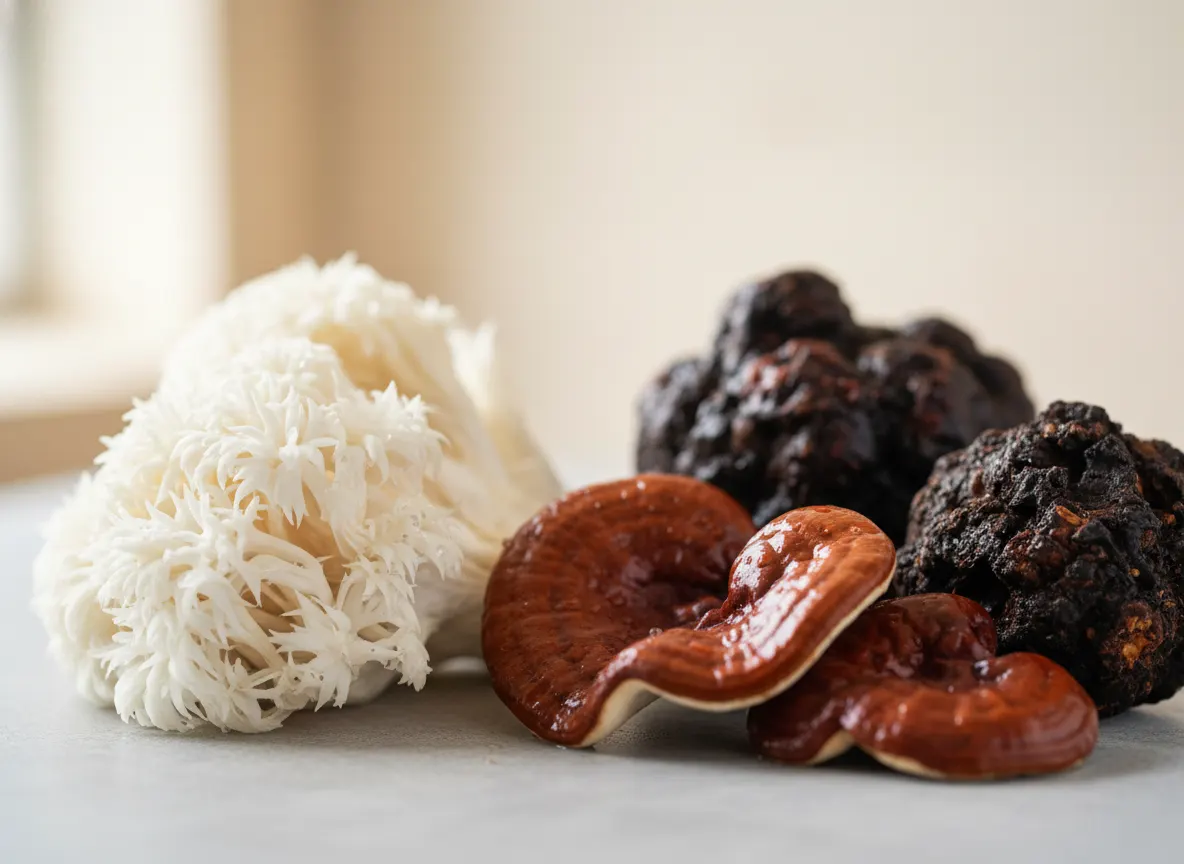
The mushroom coffee industry has a labeling problem. What most brands call "mushroom powder" is mycelium — the root structure — grown on rice or oats, then ground up with the grain still attached. You're paying for starch filler.
Real mushroom extracts come from the fruiting body — the part that grows above ground and concentrates the compounds your body actually uses. Lion's mane fruiting bodies contain hericenones and erinacines (the molecules tied to nerve growth); reishi fruiting bodies concentrate triterpenes and beta-glucans (the immune-supporting compounds). Mycelium on grain has trace amounts of both, diluted by grain starch that does nothing.
If the label says "mushroom mycelium" or "myceliated brown rice," you're drinking oat powder with a side of fungus. The actual mushroom content can be under ten percent.
Extraction Ratio Is the Only Number That Matters
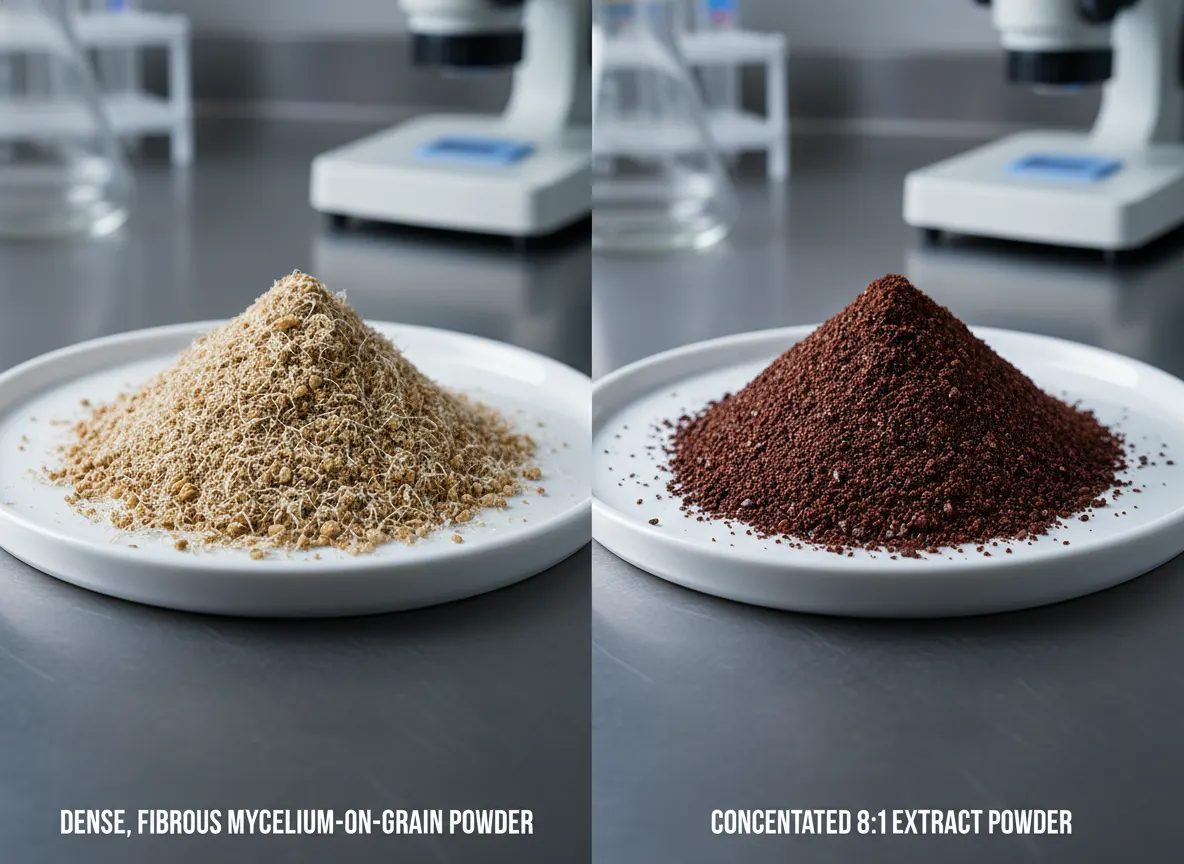
When a mushroom coffee lists "1200mg lion's mane," ask one question: is that raw powder or extracted? A 1:1 powder (no extraction) means you're getting 1200mg of dried mushroom, most of it indigestible fiber. An 8:1 extract means eight pounds of mushrooms were processed down to one pound of concentrated powder — the same 1200mg dose delivers the equivalent of 9600mg of whole mushrooms.
The body can't break down raw mushroom cell walls efficiently. Extraction uses hot water or alcohol to pull out beta-glucans (immune-supporting compounds), triterpenes (stress-regulating compounds), and polysaccharides (energy-supporting compounds) — and discard the fiber. What's left absorbs fast and works reliably. Most brands skip extraction because it's expensive. They sell you the whole mushroom ground into dust and hope you don't notice the difference.
Wonder Coffee Uses 8:1 Fruiting Body Extract in Clinical Doses
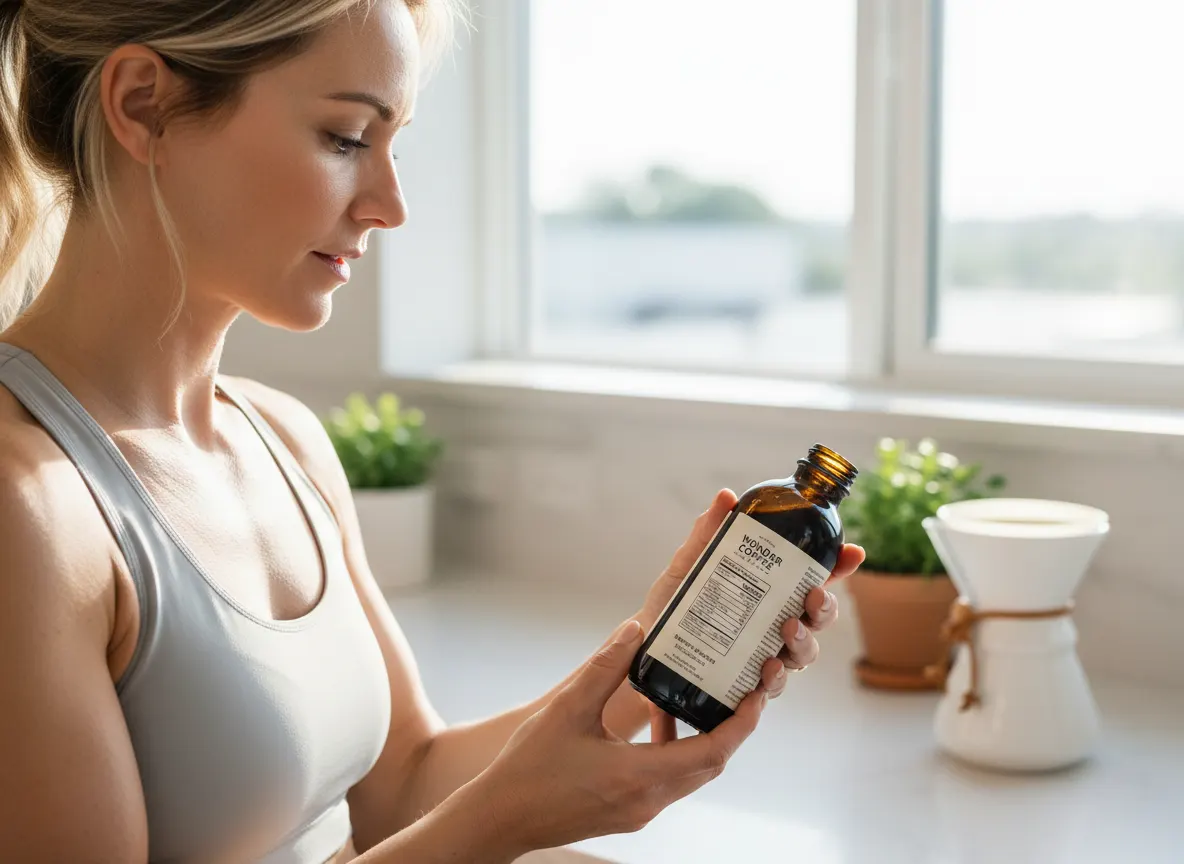
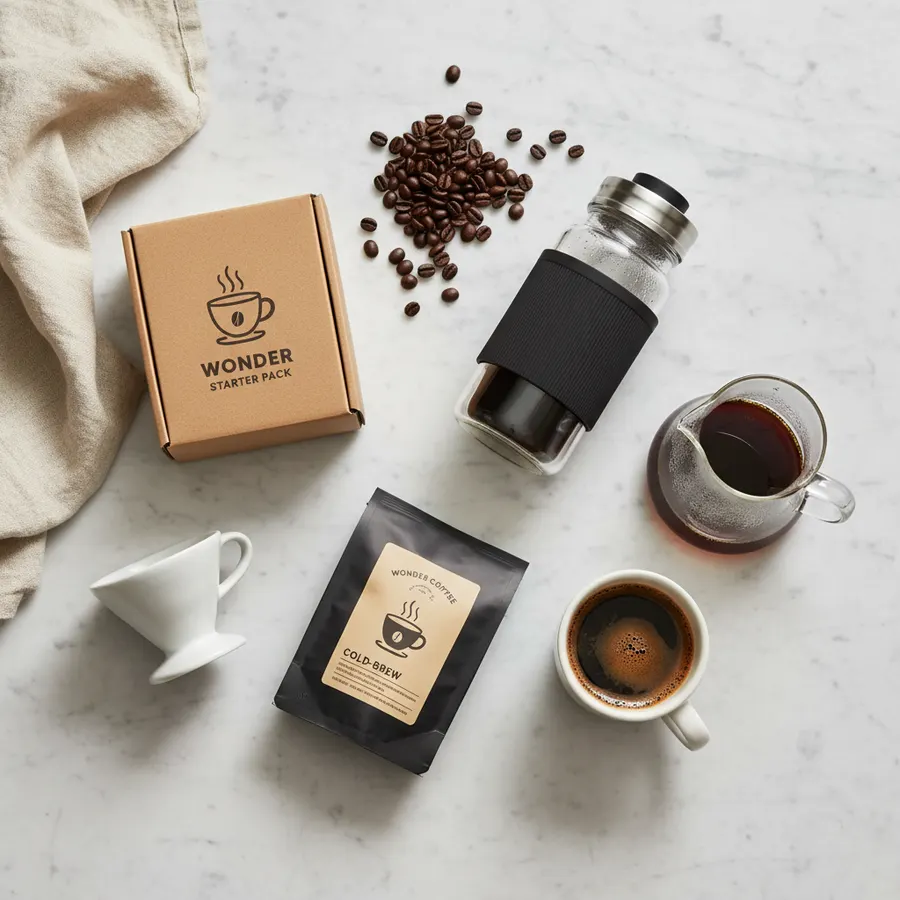
Wonder Coffee's Starter Pack is built around three mushrooms in 8:1 fruiting body extract form: 360mg lion's mane extract (equivalent to 2880mg whole mushrooms), 840mg reishi extract, and 840mg chaga extract. Every batch is third-party tested by Eurofins — a lab that checks for heavy metals, fillers, and extraction potency.
The caffeine sits at 60mg per serving — about half a standard cup of coffee — paired with 120mg of L-theanine, an amino acid that takes the edge off stimulation. L-theanine calms the jittery feeling caffeine usually triggers, leaving you with the focus and none of the anxiety. The combo is what green tea drinkers have relied on for centuries, scaled to work with a smaller caffeine dose.
Customers Report Improved Focus and Zero Afternoon Crash

Across 754 reviews, 88.9% of buyers reported at least one measurable improvement in physical or mental health after switching. The most common wins: sharper focus, sustained energy past 2pm, and elimination of the jittery anxiety regular coffee triggers.
One verified buyer who'd tried four other mushroom coffee brands wrote: "This is the only one I have felt a difference. I also found myself not desiring another cup of coffee or anything with a stimulant. Brain fog is the main one I combat and this has been a help."
Another, who switched from years of regular coffee: "No bloating, no stomach pains and cramps. When I am about to go workout, I just make a cup, and in a few minutes, I'm good to go."
It Actually Tastes Like Coffee — With a Subtle Earthy Depth

The most common objection people have before trying mushroom coffee: will this taste like dirt? Most brands do. Wonder Coffee doesn't, because the 8:1 extraction process removes the muddy, bitter compounds that make low-quality mushroom powder taste like wet moss.
Buyers describe it as chocolatey and smooth, with a roasted coffee base and a subtle earthy note that reads as depth, not funk. One reviewer who tested several competitors wrote: "I have tried several kinds of mushroom coffee wondering how come they all said it tastes like coffee. Pow is the only one that does to me. It tastes good hot or cold, but the cold over ice really brings out that taste I have been searching for."
The texture dissolves cleanly — no grit, no residue at the bottom of the cup. Add a splash of oat milk or grass-fed creamer and it froths into something that feels like a latte, not a supplement.
The L-Theanine + Low-Caffeine Pairing Eliminates Jitters

Regular coffee hits hard because it delivers 150–200mg of caffeine with nothing to buffer the spike. Your nervous system floods with adrenaline, cortisol climbs, and by 11am you're wired but unfocused. By 3pm, you crash.
Wonder Coffee's 60mg dose is just enough to wake up your brain without triggering fight-or-flight. The 120mg of L-theanine acts as a natural brake — it promotes alpha brain waves (the relaxed-but-alert state) and blocks the jangly overstimulation caffeine causes on its own. The result is clean energy that feels smooth, not speedy. Several buyers mention they stopped reaching for a second cup entirely because the first one carried them through the day.
Reishi and Chaga Calm Inflammation Your Body's Been Carrying

If you've been drinking regular coffee for years and dealing with stomach pain, bloating, or acid reflux — the problem isn't just the caffeine. It's the way coffee irritates your gut lining when there's nothing to calm the inflammatory response.
Reishi and chaga are both adaptogens, which means they help your body regulate stress instead of ramping it up. Reishi contains triterpenes that act like a dimmer switch on inflammation — the same kind of low-grade swelling that makes your stomach hurt after acidic coffee. Chaga is packed with antioxidants that protect cells from the oxidative stress caffeine can trigger when you're already running on empty.
Multiple buyers mention their stomach issues decreased after switching. One wrote: "No bloating, no stomach pains and cramps." Another: "My stomach issues have decreased since I began using it."
Lion's Mane Supports Memory and Cuts Through Brain Fog

Lion's mane contains two families of compounds — hericenones and erinacines — that cross the blood-brain barrier and appear to support nerve growth factor (NGF), a protein your brain needs to build and maintain neurons. Early research suggests these compounds may help with focus, memory retention, and mental clarity over time.
Buyers mention cognitive shifts within the first month. One six-month user wrote: "I can tell the difference in my memory thanks to the mushrooms." Another who'd struggled with brain fog for years: "Brain fog is the main one I combat and this has been a help."
The effect isn't a jolt — it's cumulative. Week one, you notice cleaner energy. Month two, you realize you're not losing your train of thought mid-sentence anymore.
It's Made in the USA and Backed by a 60-Day Guarantee
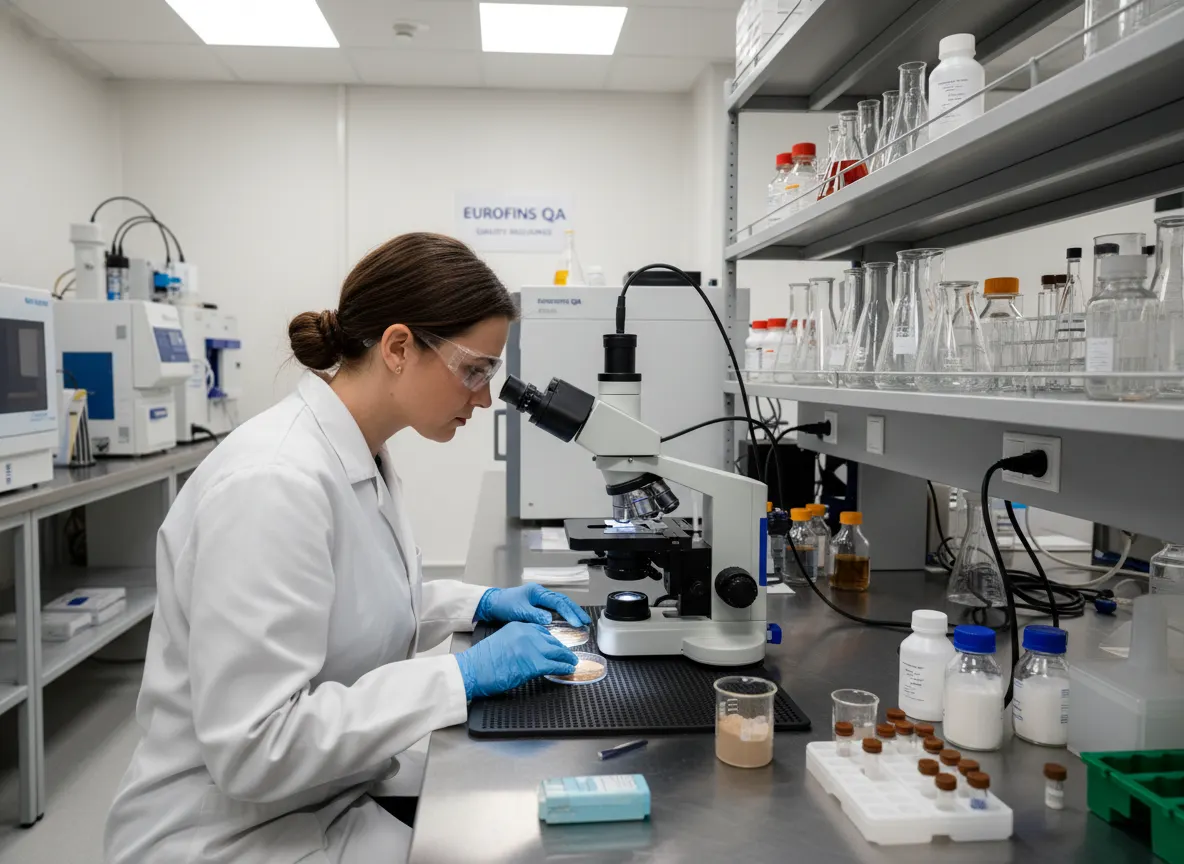
Wonder Coffee sources organic ingredients, manufactures in the USA, and runs every batch through third-party testing at Eurofins — one of the largest independent labs in the world. The tests check for heavy metals (a common contaminant in imported mushroom powders), microbial contamination, and extraction potency. If it doesn't pass, it doesn't ship.
The formula contains no fillers, no myceliated grain, and no added sugar. You get mushroom extract, organic coffee, L-theanine, and grass-fed collagen (or vegan Tremella, depending on which pack you choose). That's it.
If you try it and don't feel a difference — or if you just don't like the taste — you have 60 days to return it for a full refund. 95.8% of buyers say they'd recommend it to a friend or family member, which suggests most people don't need the guarantee. But it's there if you do.
Try Wonder Coffee Risk-Free for 60 Days
What Buyers Say After Switching
Across 754 verified reviews, the most common observations: no jitters, no crash, better focus, and — surprisingly — genuine enjoyment of the taste. Here's what real customers noticed in their first month.
What's in the Starter Pack
Common Questions About Mushroom Coffee
Most questions come down to three things: how it tastes, whether 60mg of caffeine is enough, and what makes this different from cheaper alternatives. Here's what you need to know before you order.