It's the third time this week you've reached for another cup of coffee before 11 AM. The first one worked for maybe 90 minutes — that familiar burst of alertness, the sense that today would be different. Then came the subtle anxiety creeping up your shoulders, followed by the inevitable crash that leaves you more tired than when you started.
You know the pattern by now. The afternoon slump hits harder. Your focus fragments. By 3 PM, you're either reaching for more caffeine (knowing it will mess with tonight's sleep) or accepting that your brain is done for the day.
What if the problem isn't caffeine itself, but the way most coffee delivers it to your system?
If you've tried "clean energy" products before, you're probably skeptical. The wellness industry has a habit of promising dramatic results with exotic ingredients that sound impressive but deliver little more than placebo effects and marketing hype.
That skepticism is warranted. Most functional coffee products on the market use cheap mycelium powder (basically mushroom roots grown on grain) instead of actual fruiting body extracts. They hide weak doses behind "proprietary blends" and pad their formulas with fillers. The result? Products that taste like dirt and work about as well as regular coffee — which is to say, not sustainably.
How Functional Coffee Actually Works
Part A: The Caffeine-Adaptogen Connection
Here's what most people don't understand about caffeine: it's not inherently problematic. The issue is delivery. Regular coffee dumps 80-150mg of caffeine into your bloodstream all at once, triggering your fight-or-flight response. Your body interprets this as stress, which is why you feel jittery and why the crash is inevitable.
Adaptogens — compounds found in certain mushrooms — work like a buffer system. Adaptogens buffer caffeine's effects, extending the energy curve into sustained, controlled release instead of a sharp spike followed by a crash. Instead of a chaotic burst of energy that burns out quickly, you get sustained, controlled energy that your nervous system can actually use.

Part B: Why Most Mushroom Coffee Fails
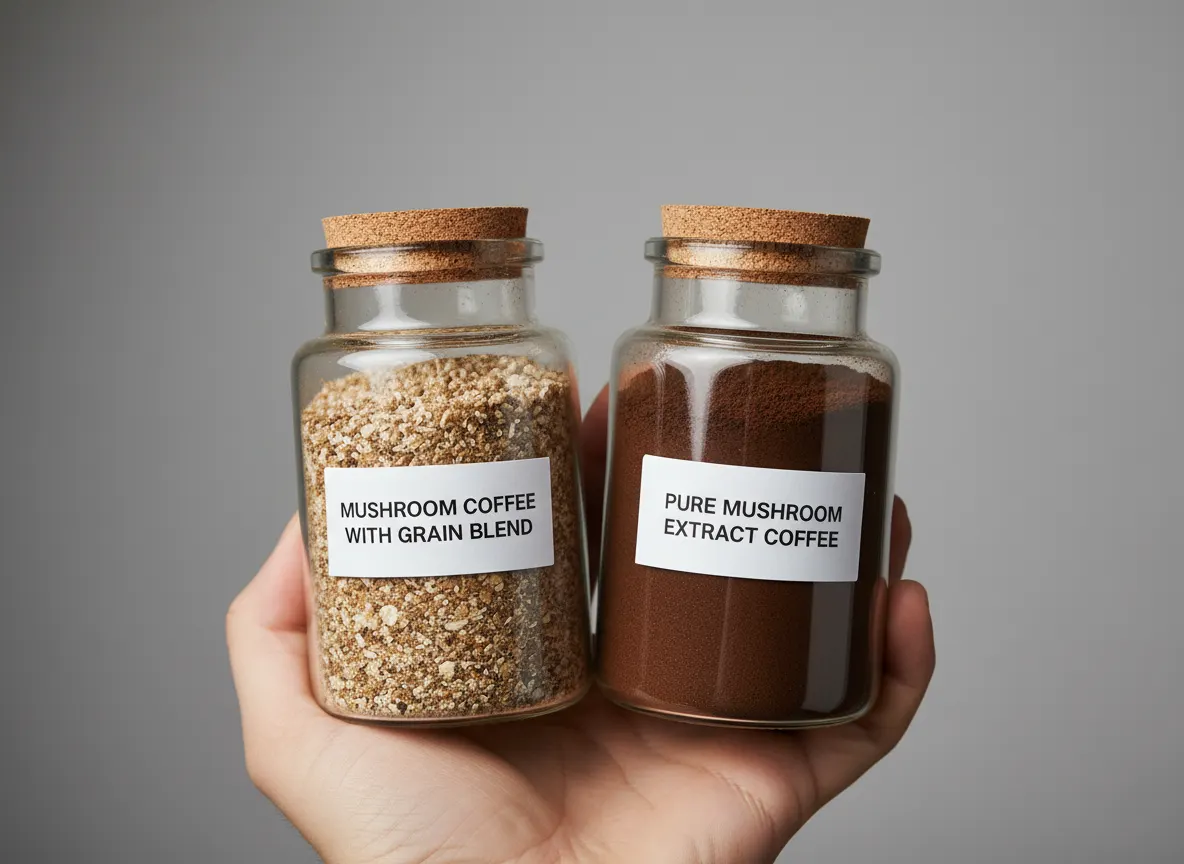
Walk into any health food store and you'll find dozens of mushroom coffee products. Here's the dirty secret: most of them contain barely any active compounds. They use mycelium (mushroom roots) grown on grain, then grind up the whole mess — grain and all. The result is a product that's maybe 20% actual mushroom compounds.
Even worse, they hide behind "proprietary blends" so you never know how much of each ingredient you're actually getting. A product could contain 2,000mg of "mushroom blend" but only 50mg of the compounds that actually matter. It's a shell game designed to make weak formulas look impressive.
Part C: What to Look for in a Functional Coffee
If you're going to try functional coffee, these five criteria separate the real products from the marketing gimmicks:
- Fruiting body extracts only — avoid anything that lists "mycelium" or "myceliated grain"
- Concentration ratios disclosed — look for ratios like 8:1 or 10:1, meaning 8-10 pounds of raw mushroom concentrated into 1 pound of extract
- Clinical dosing transparency — actual milligram amounts per serving, not hidden behind proprietary blends
- Third-party testing — independent lab verification for purity and potency
- Minimal ingredients list — if it has 20+ ingredients, it's probably padded with fillers
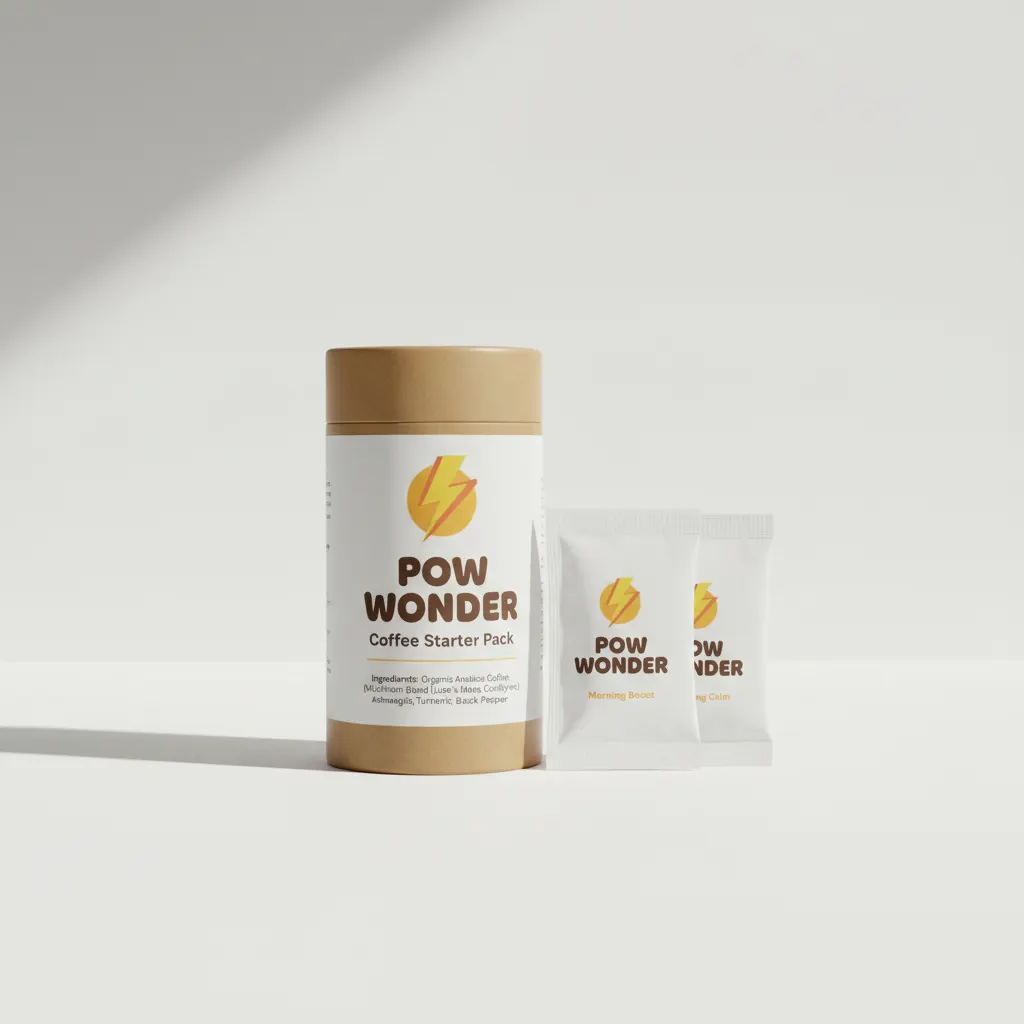
That's where Pow Wonder Coffee comes in. The clinical dosing, fruiting body extracts, and third-party testing set it apart from most mushroom coffee products on the market. — and here's why.
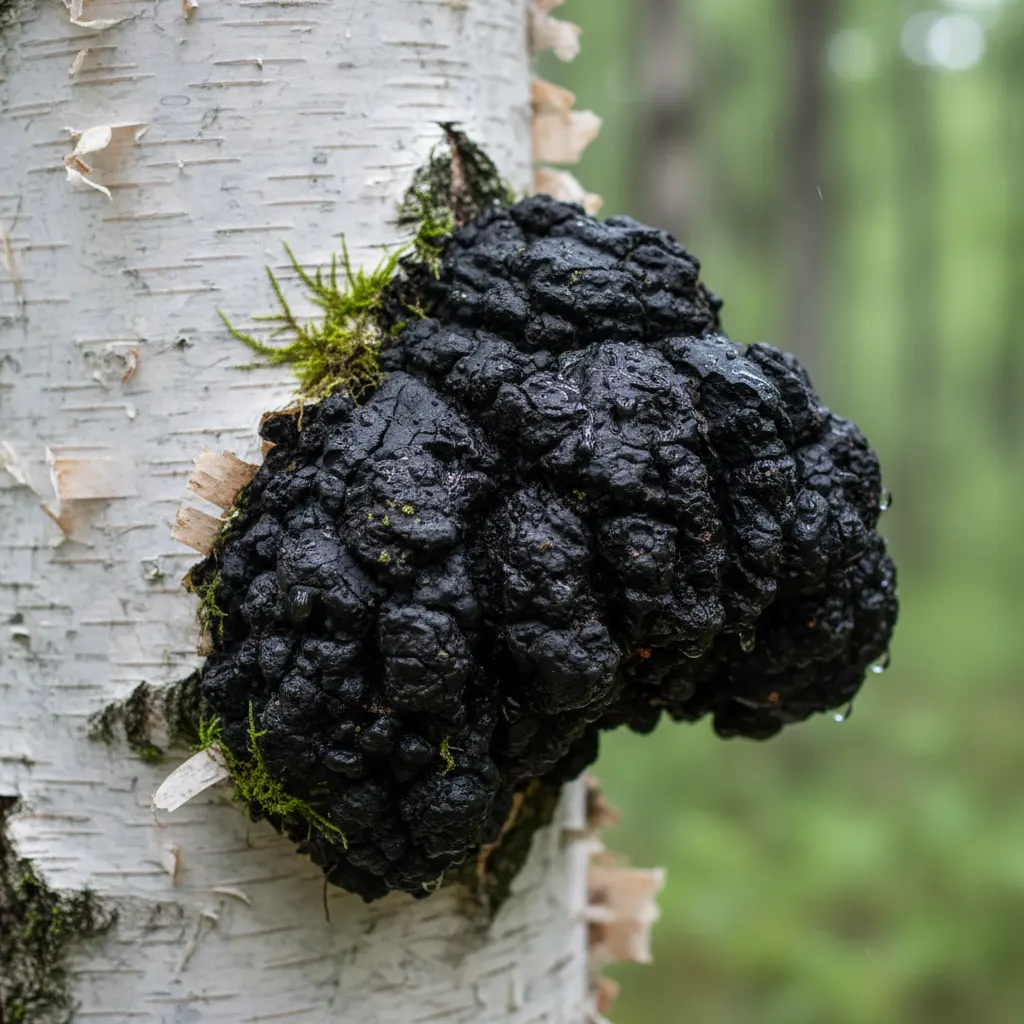
Instead of cheap mycelium powder, Pow uses 8:1 concentrated fruiting body extracts. Their Lion's Mane extract contains 1200mg (360mg of 8:1 fruiting body extract equivalent to 2880mg 1:1 powder). The Reishi and Chaga are each dosed at 840mg of concentrated extract. Most importantly, they disclose every ingredient and dose — no proprietary blends hiding weak formulas.