8 Reasons Anxious Drinkers Are Choosing Hiyo Over Wine
The first USDA organic non-alcoholic seltzer delivers the ritual you crave with adaptogens that calm stress, not mask it.
 1
1
No Morning Fog or Regret
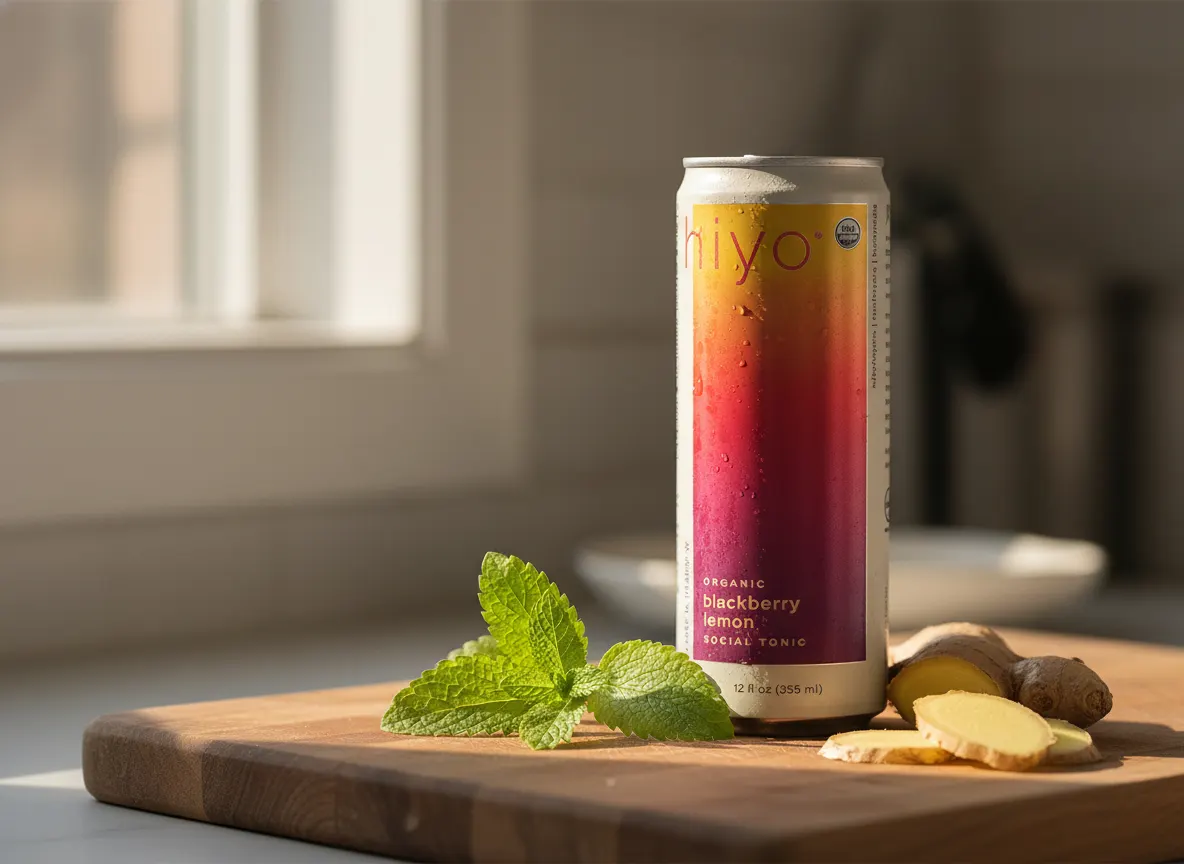
The ritual of unwinding with a drink is real. The problem: what alcohol costs you next day—lost productivity, physical discomfort, the mental fog that doesn't lift until noon.
Hiyo gives you the ritual—the cold can, the intentional pause, the signal that work day is over—without the debt. You wake clear-headed, ready. No headache. No dehydration. No moral inventory. The float doesn't borrow from tomorrow; it recalibrates today.
 2
2
USDA Organic Certification Means Real Ingredients
Hiyo is the first USDA certified organic non-alcoholic seltzer—every ingredient meets federal organic standards. No synthetic pesticides, no GMOs, no chemical shortcuts.
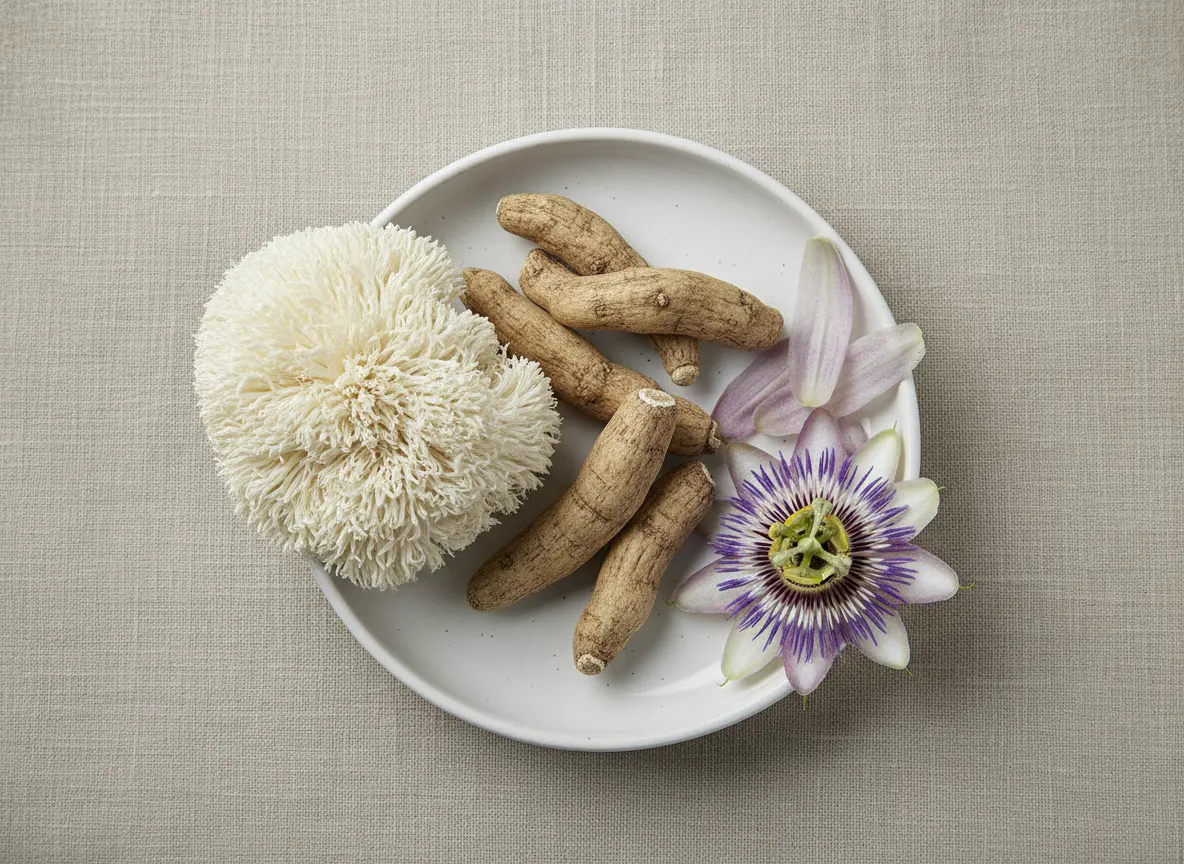
Most non-alcoholic seltzers lean on lab-created flavorings. Hiyo uses ashwagandha, lion's mane, L-theanine, lemon balm, passion flower, and ginger—six functional ingredients sourced for bioavailability, meaning your body can actually absorb and use them. The certification is third-party verification that what's on the label is what's in the can.
 3
3
1.7 Grams of Functional Adaptogens Per Can
Each can delivers 1.7 grams of functional ingredients—not a trace dose. Ashwagandha regulates cortisol. L-theanine smooths mental chatter without drowsiness. Lion's mane supports clarity and focus. Together, these adaptogens shift your nervous system from fight-or-flight into calm, grounded state—the float.
Most functional drinks hide behind proprietary blends with no disclosed doses. Hiyo names the weight and lets you evaluate whether it's enough.
 4
4
"The Float" Hits Around 20–30 Minutes
The float isn't a buzz or a jolt. It's a gentle warmth that starts in your chest and spreads outward—the same relaxed openness alcohol delivers, minus the impairment. You notice it twenty to thirty minutes in: shoulders drop, jaw unclenches, the edge softens.
The mechanism is adaptogens calming your stress response, not depressing your central nervous system. You stay present, conversational, clear-headed. People describe it as like the first drink used to feel—before tolerance built up, before the cost became predictable.
 5
5
You'll Sleep Better Than You Did With Alcohol
Alcohol is a sedative—it knocks you out fast, fragments your sleep four hours later when metabolized, then crashes your blood sugar. You wake at 3am, can't fall back asleep, spend the next day dragging.
Hiyo works opposite: it calms your nervous system without suppressing REM sleep. Lemon balm and passion flower reduce the mental loop keeping you awake. Ashwagandha lowers baseline cortisol so your body can rest.
People switching from nightly wine report waking up feeling like themselves again—no dry mouth, no fog, no three-hour deficit to recover from.
 6
6
30 Calories With No Artificial Sweeteners
Most alternatives load up on sugar or swing to stevia, monk fruit, erythritol—sweeteners that leave a metallic aftertaste. Hiyo avoids both traps.
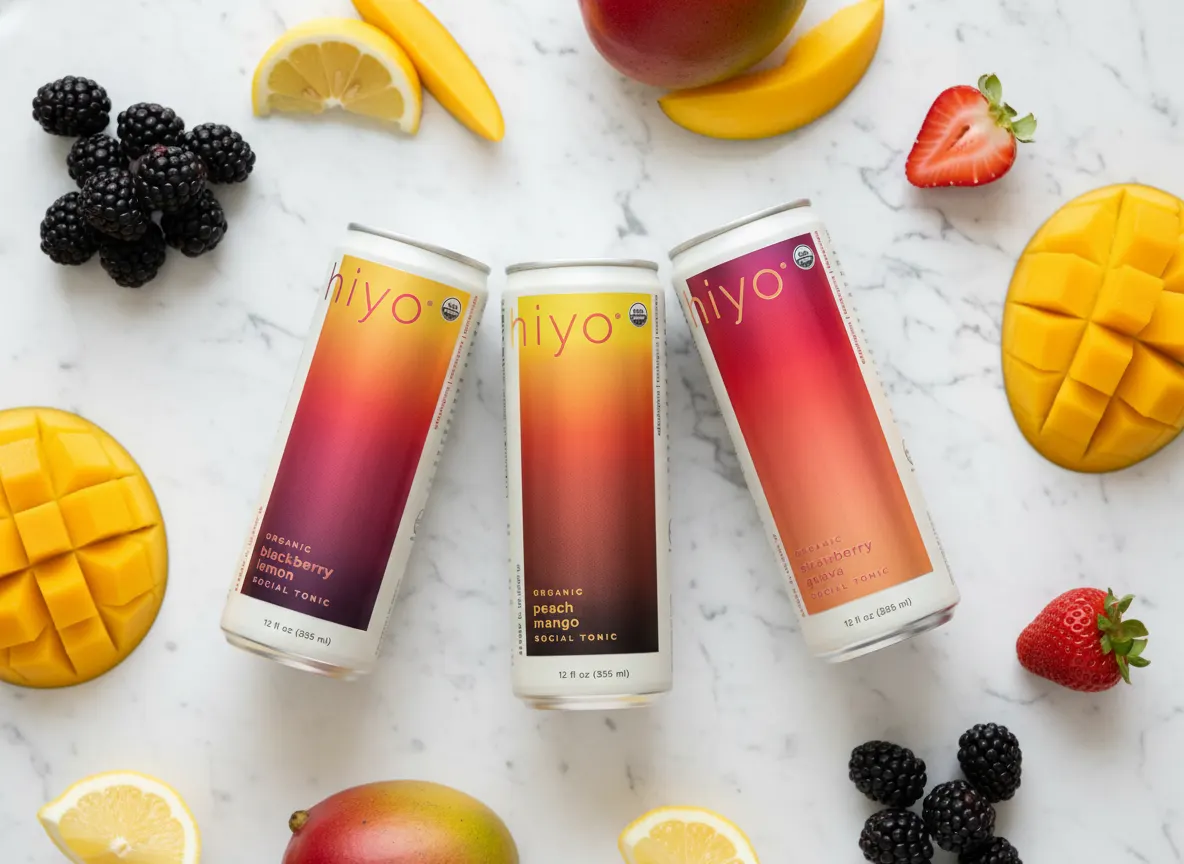
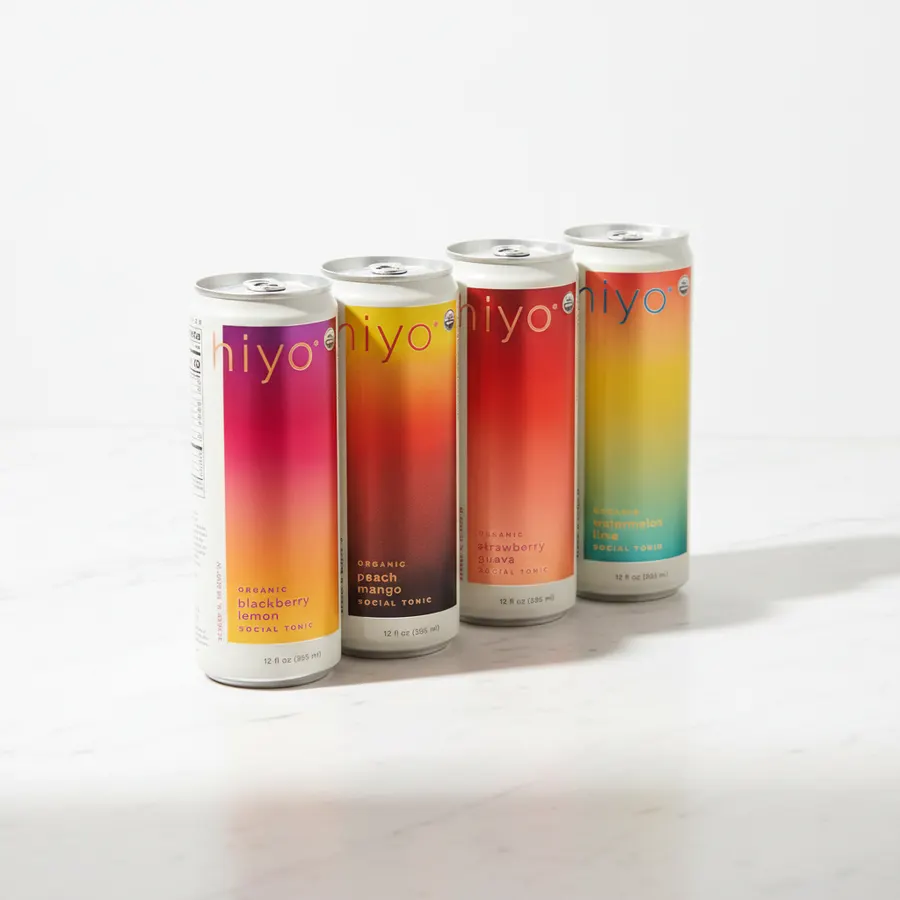
It uses a small amount of real cane sugar (enough to balance botanicals, not spike blood glucose) at 30 calories per can. That's less than half a glass of wine, a third of a craft beer, a tenth of a margarita. Flavor comes from organic fruit juice—blackberry lemon, peach mango, strawberry guava—not a lab.
 7
7
Six Flavors That Don't Taste Like Supplements
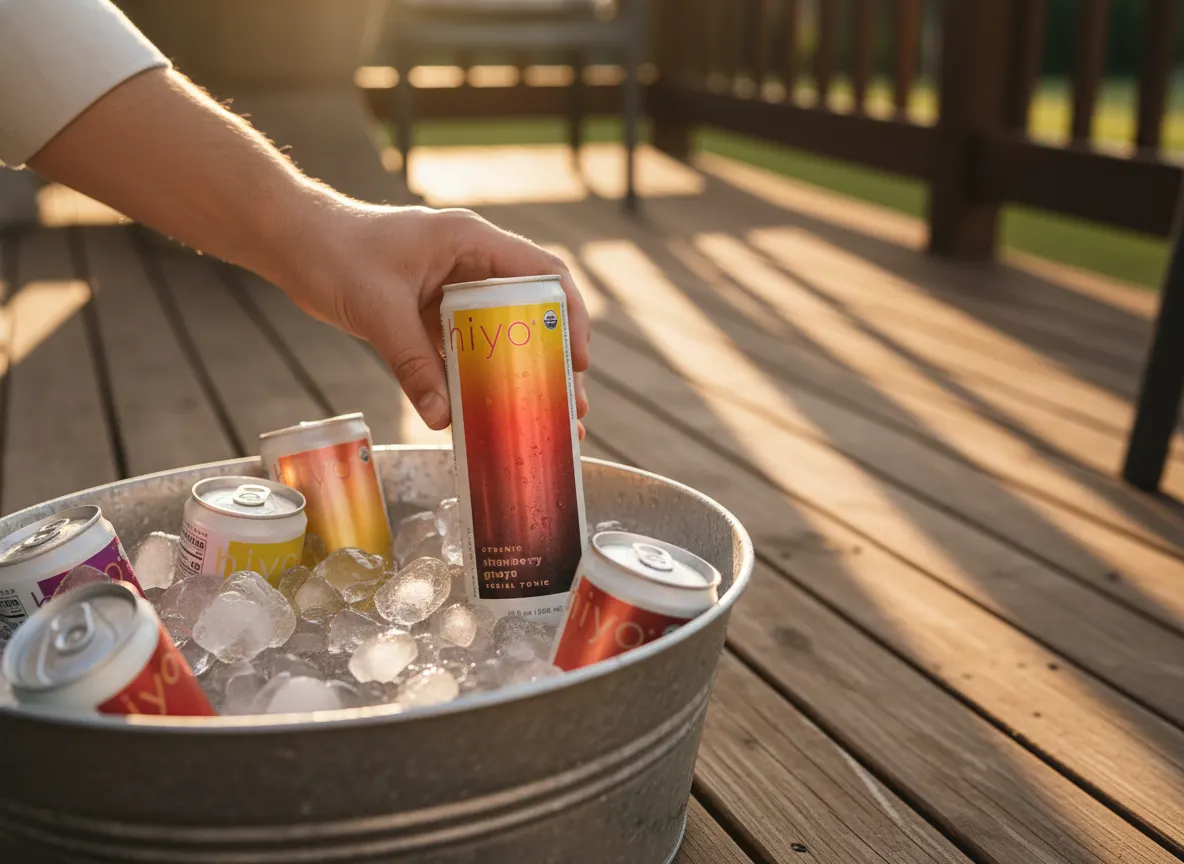
The Classic Pack rotates through six fruit-forward flavors, each with a different sensory profile. Blackberry lemon is bold and tart. Peach mango leans sweet and round. Strawberry guava sits vibrant and tropical.
The adaptogens are woven into the fruit base, not sitting on top. You taste faint earthiness of ashwagandha if you're looking. The carbonation feels celebratory. These read as craft sodas with a function, not vitamins you choke down.
 8
8
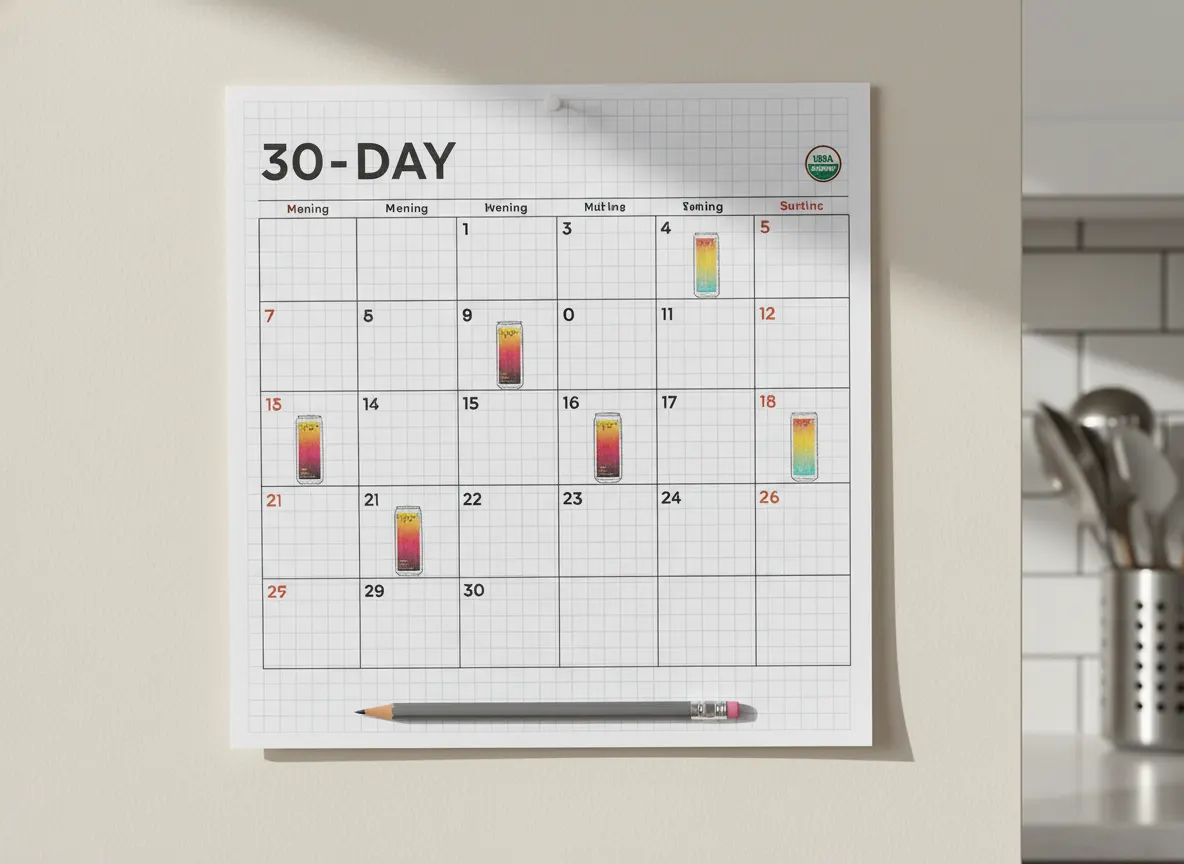
30-Day Guarantee Lets You Test the Float Risk-Free
Hiyo offers a 30-day satisfaction guarantee—if the float doesn't land, you get your money back. No fine print. The brand knows adaptogens sound like wellness marketing until you feel them work.
The guarantee says: try a full pack, give your nervous system time to respond, and decide for yourself. Most people notice the effect within two cans. Some need a week to feel the shift. The variety pack gives twelve chances to test whether this replaces what alcohol used to do—without being stuck with something that didn't deliver.
Start Your First Hiyo Variety Pack
The Pattern People Report After Switching
People who switched from nightly wine or beer describe the same pattern: initial skepticism, then surprise at how real the float feels, then relief at waking up without the morning-after cost. The most common thread is how quickly the evening ritual shifts—from something you regret tomorrow to something that serves you tonight.
What's Inside Every Can
Is the Float Real? Common Questions Answered
The most common questions are about timing (when will I feel it?), dosing (is one can enough?), and whether the effect is real or placebo. The answers below come from how adaptogens work and what people report after their first week.