What's Actually in Your Tap Water? A Simple Home Test Reveals Where It Sits on the Acid — Alkaline Scale
The dropper-and-color-chart method that shows your water's pH in about a minute — town, tank, rain, or bore, no lab visit required.
You fill a glass from the kitchen tap without a second thought. It looks clear. It tastes fine. So you drink it, cook with it, hand it to your kids and top up the dog's bowl.
But clear tells you almost nothing. Whether your water leans acidic or alkaline is invisible — and it's one of the few things about your daily water you've probably never actually measured.
So, why does water pH even matter?
Most people have moved to new water. A home, rental, tank, rain, or bore — the water changes with each.
Town water isn't the same as well water. Rainwater off a roof isn't the same as what comes from a bore. Yet the assumption stays the same: if it's clear, it's fine.
Here's the catch. Acidic water can quietly go to work on what it touches — pipes, fittings, the inside of a tank.
Many harmful organisms thrive in acidic environments. You can't see any of that in a clear glass.
So you're left guessing about something you use every single day.
What does the acid–alkaline scale actually tell you?
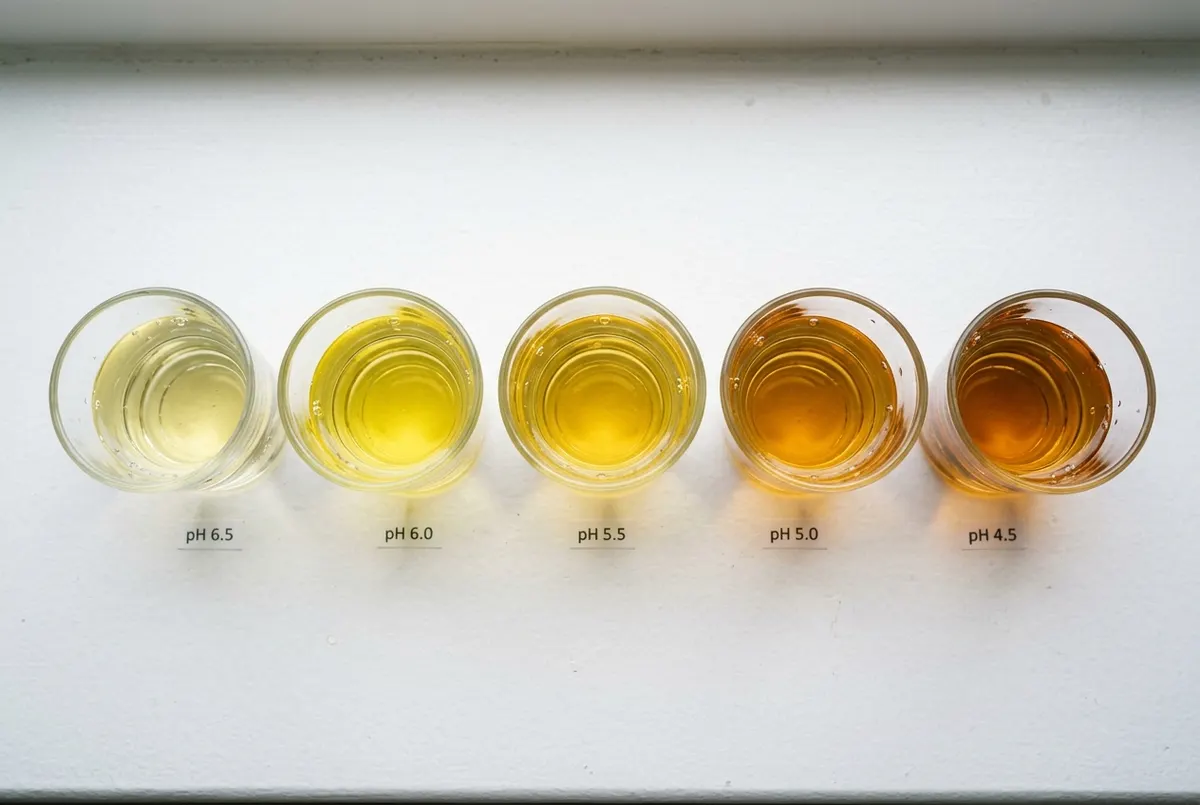
pH measures acidity and alkalinity. Below 7 is acidic. Above 7 is alkaline. Water sits somewhere on that line — you can't see where.
Here's the part almost nobody knows. Each step down the scale isn't a little more acidic — it's ten times more acidic. Water at pH 5 isn't slightly sharper than pH 6 — it's ten times as acidic.
Drop to pH 4 and you're a hundred times down from 6.
Call it the invisible gap: the space between how your water looks and where it truly sits on that scale. A clear glass can hide a big swing, and small-looking numbers can mean large real differences.
The usual fixes don't close that gap. Taste won't tell you. Clarity won't tell you. A lab visit will — but who books one for a glass of water?
Measure it.
How do you check it without a lab?
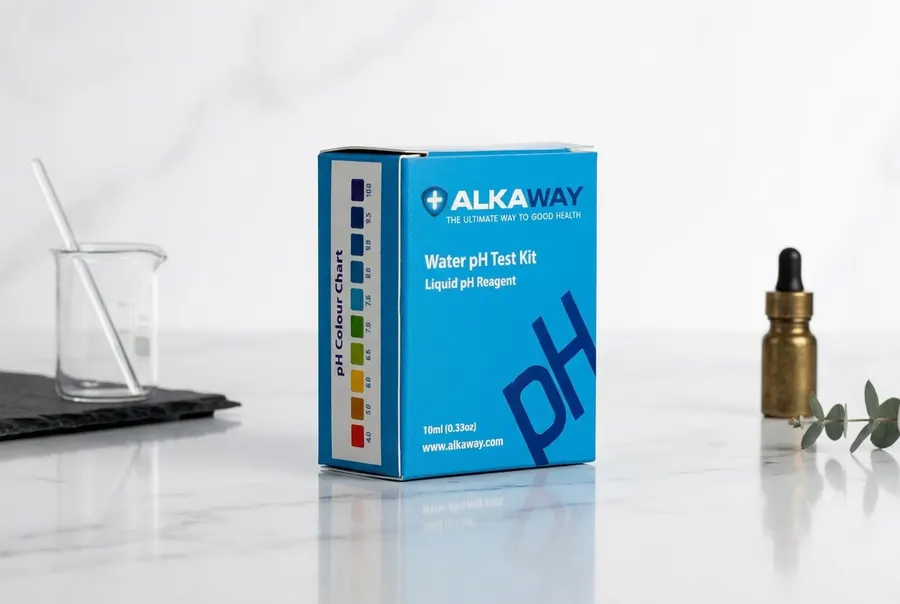
This is exactly what a home pH test kit closes the invisible gap on — no appointment, no equipment, no chemistry background needed.
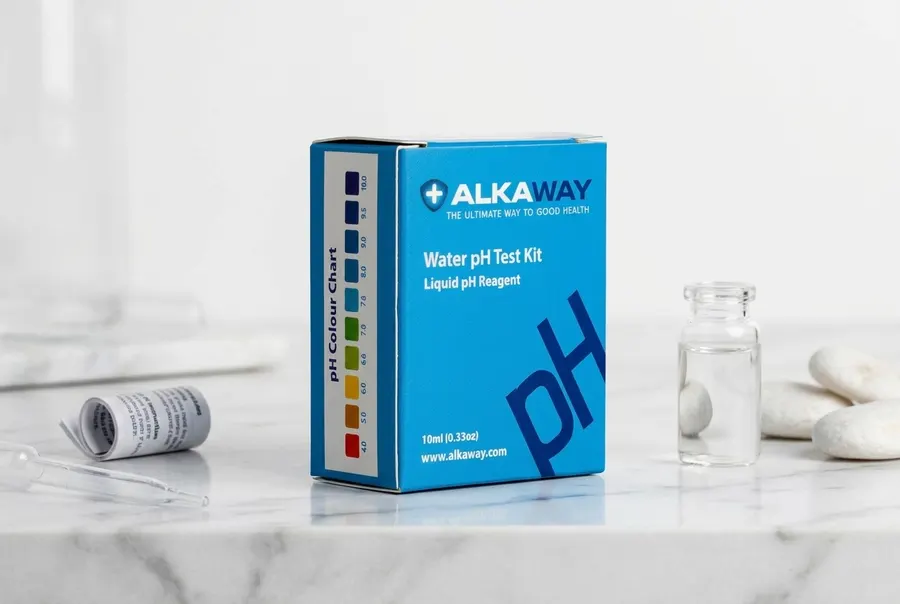
The method is about as simple as it gets. You add a few drops from the bottle to a small sample of water, and the water changes color.
Match that color to the included chart. About a minute later, you know where your water sits on the scale — from pH 4.0 all the way to 10.
It works on whatever you've got: town, city, rain, tank, well, or bore water. Same drops, same chart, every source.
It's built to be used. One small 10 mL bottle runs to roughly 100 tests — enough to check the kitchen tap, the tank, and the bore, then retest whenever something changes.
For around nine dollars, you stop guessing.
What does one bottle actually give you?
Beyond a single number, the kit hands you something more useful: a repeatable way to check any water source and act on what you find.
What are you getting?
The kit is deliberately minimal — a dropper bottle, a color chart, and a wide measuring range. Here's what each part does and why it matters for the water in your home.
Why bother testing at all?
 1
1
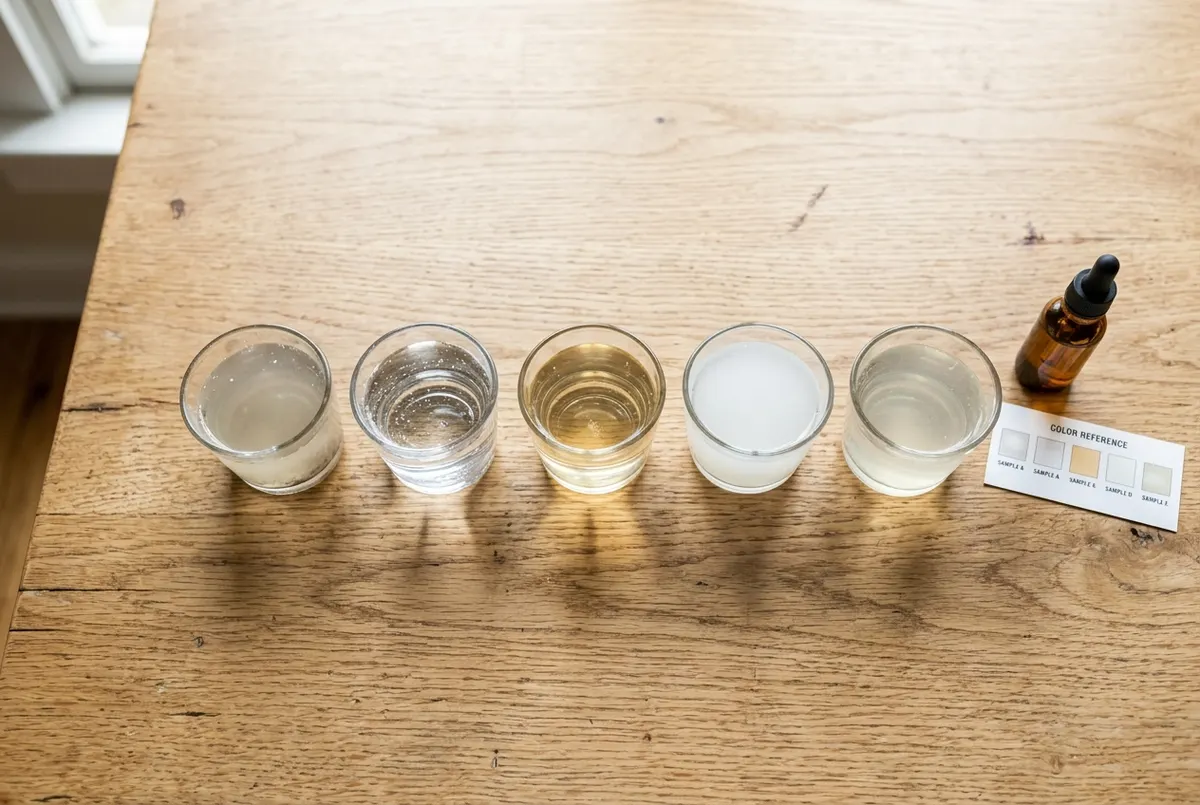
Tests any water source, from tap to tank
Whether testing town water, rainwater collected in a tank, or well water, this kit works identically across all sources. The dropper-bottle format and simple color-chart comparison eliminate guesswork, delivering consistent results on pH 4.0–10 in roughly 30 seconds per test.
 2
2
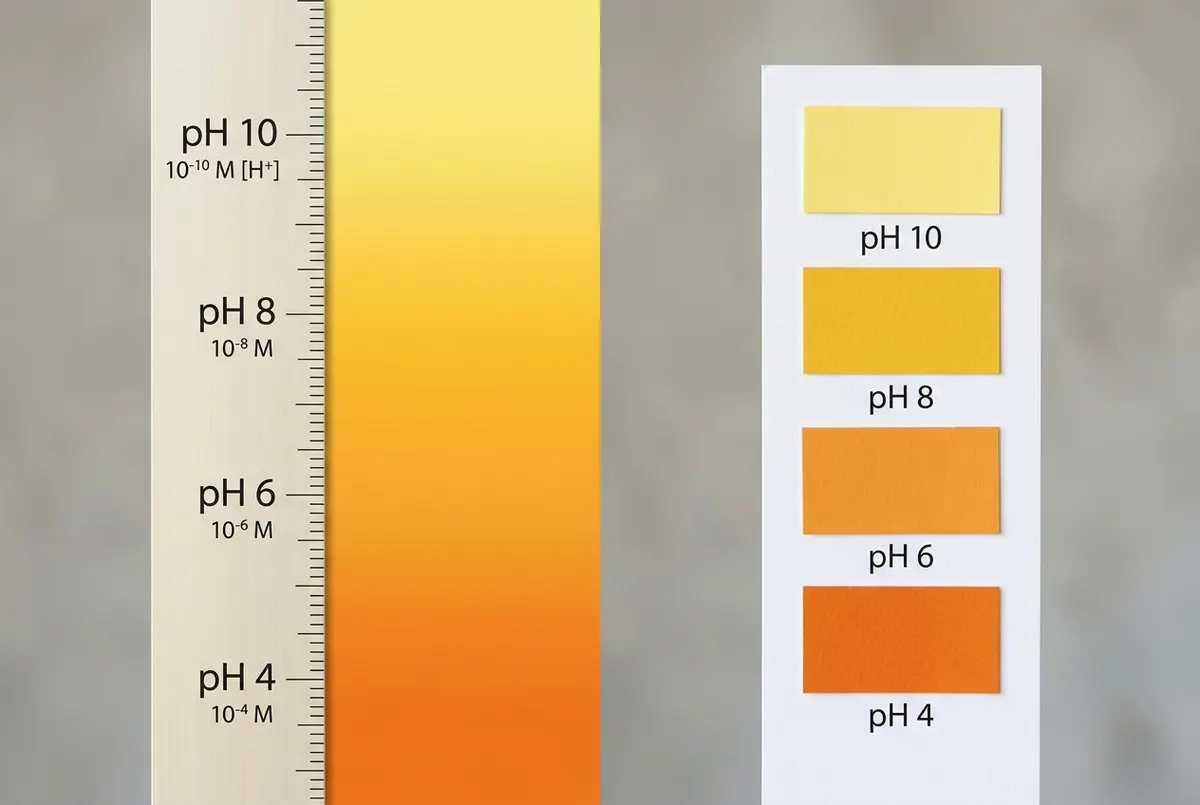
Every pH unit down means 10 times more acidity
Most people assume pH changes linearly, but the scale is logarithmic—each step downward multiplies acidity tenfold. This test kit reveals that difference visually: a pH 5 sample is not slightly more acidic than pH 6, it's ten times more so. That depth of understanding transforms raw numbers into actionable insight.
 3
3
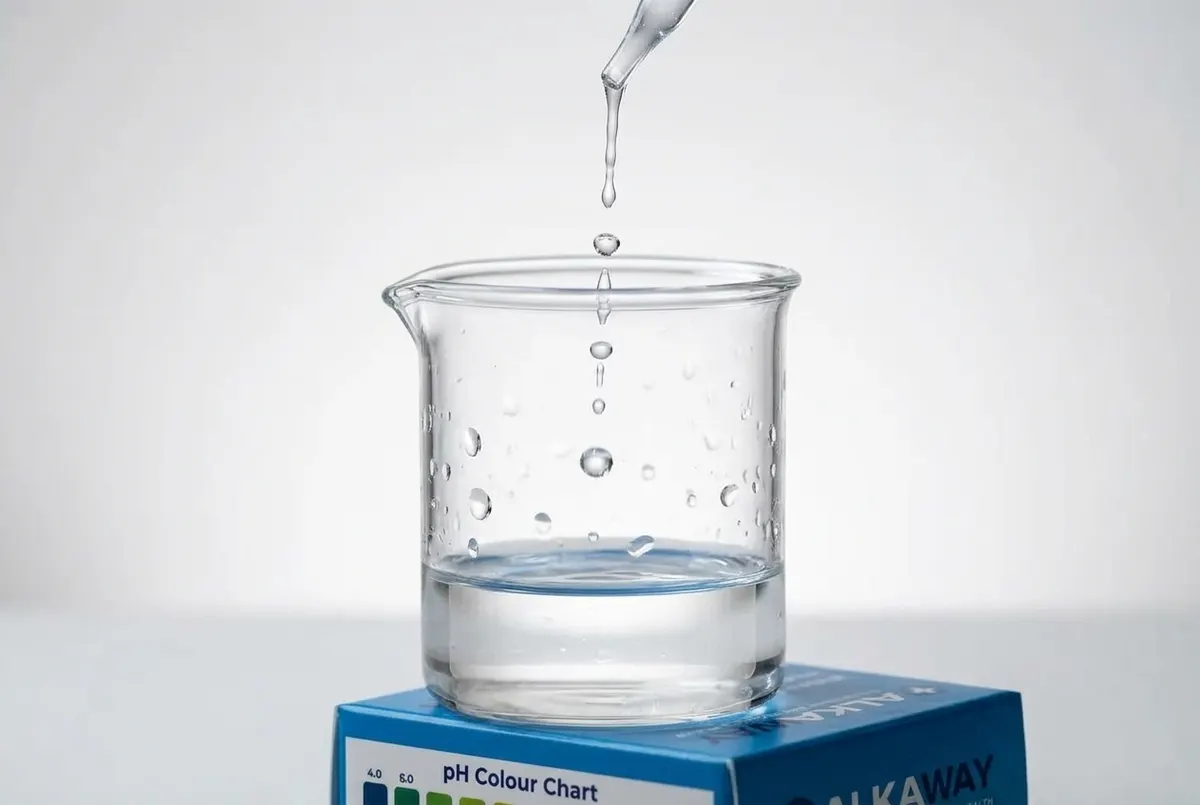
Detect when water tips into acidic territory
Acidic water (pH below 7) can leach minerals from pipes and may harbor unwanted organisms that thrive in low-pH environments. Testing reveals whether a water source has drifted acidic—and by how much. With 100 tests per bottle, tracking seasonal shifts or post-treatment changes costs pennies per data point.
 4
4
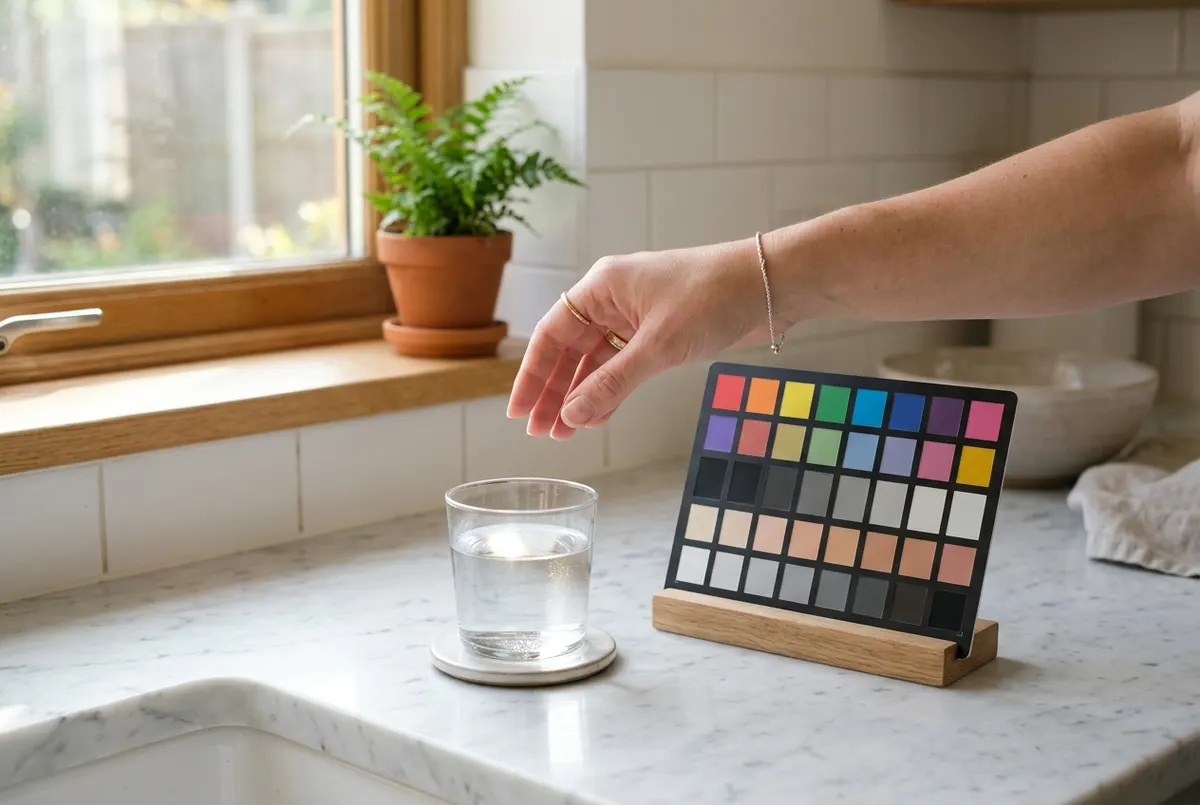
Verify alkaline balance without lab fees
Alkaline-leaning water (pH above 7) supports mineral retention and overall wellness markers. Rather than pay $200+ for professional testing, this kit lets you confirm whether your water sits in that zone. The color-chart format means zero interpretation error—your result is instant and visible.
 5
5
45+ verified reviews confirm consistent accuracy
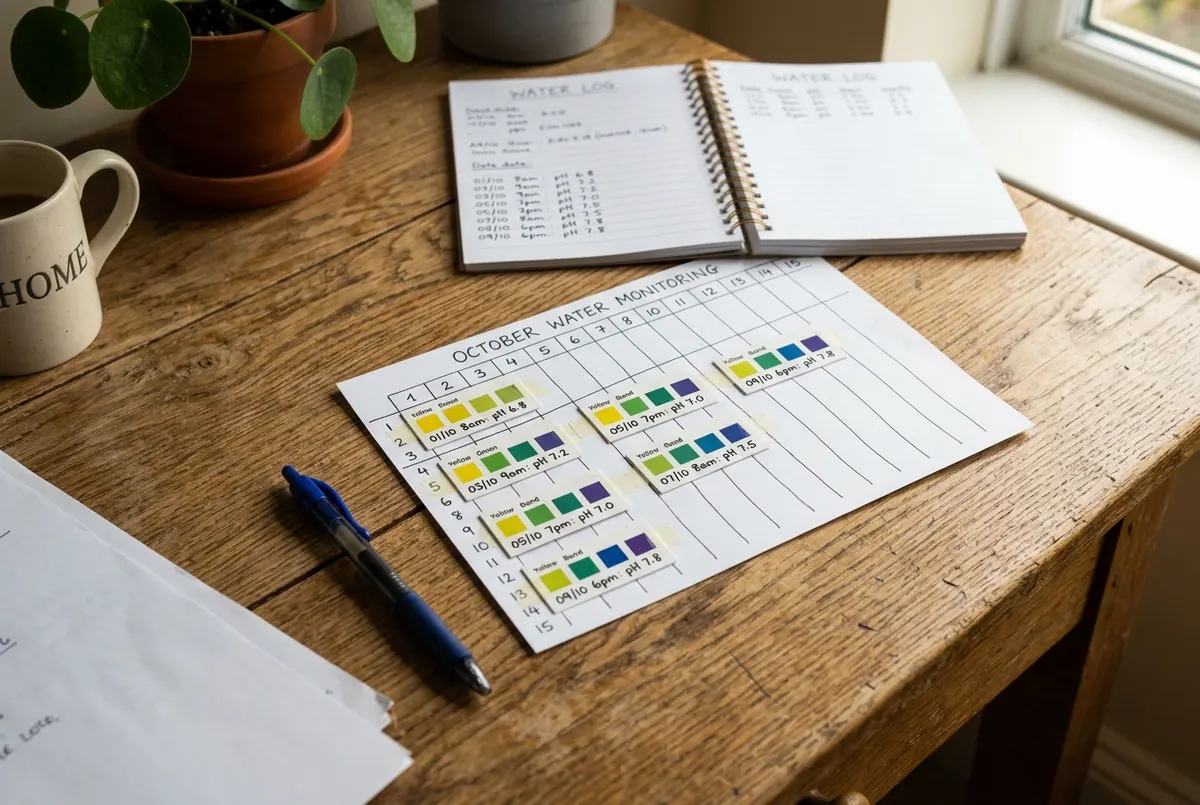
With a 4.78/5 rating across 45 verified owner reviews, users report the test delivers the same result run-to-run on identical samples. That consistency matters—a one-time test is data; repeated tests over weeks or months become a trend you can trust when making decisions about filtration, mineral content, or water treatment.
 6
6
At A$9, testing costs less than one coffee per month
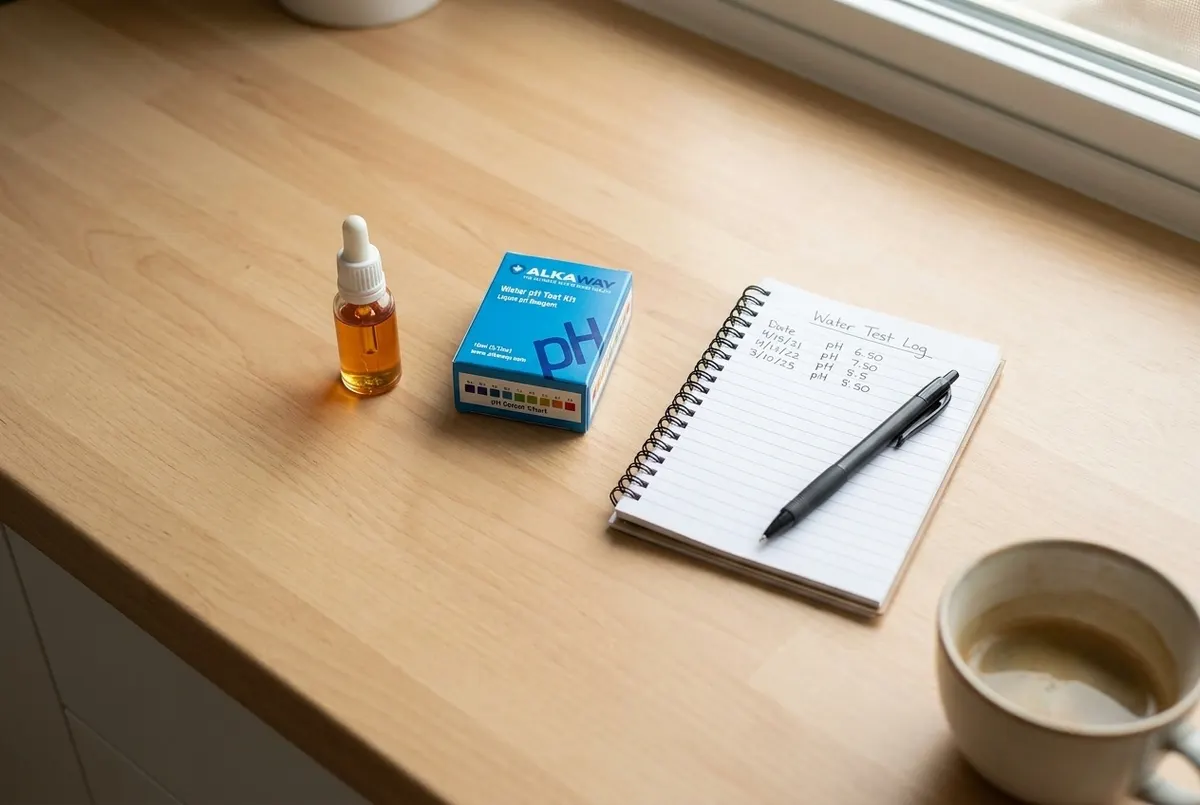
One bottle delivers roughly 100 tests. At that density, regular monitoring—weekly or bi-weekly tracking of pH trends across your home's water sources—stays well under the cost of a single specialty drink. Accuracy and frequency become affordable, eliminating the barrier to understanding your water long-term.
Is Water pH Test Kit actually worth it?
Rated 4.78 out of 5 across 45 ratings, the kit tends to win people over on the same points: how fast it is, how clear the chart reads, and how far one small bottle stretches.
Testimonials reflect individual experiences. Results vary.
How quickly do results show up?
There's no waiting period here — the color change happens in front of you. This is what a first test looks like from opening the bottle to reading the result.
How does it stack up?
The alternatives are a lab test, a guess based on taste, or nothing at all. Set side by side, the trade-offs in cost, speed, and certainty become clear.
- Narrow range (5.0–9.0 typical)
- ~50 tests per pack
- Color matching often ambiguous
- Degraded accuracy after opening
- Single-use paper strips
- No logarithmic scale education
- Broad range (4.0–10.0)
- ~100 tests per bottle
- Liquid reagent with clear chart
- Stable in cool, dark storage
- Reusable dropper bottle
- Explains 10× acidic steps
Get Started Today
Questions people ask before their first test
Before a first test, the same questions come up: is it accurate enough to trust, will it work on my water source, and how many tests do I really get? Here are the straight answers.
Know your water before you drink it
Testimonials reflect individual experiences. Results vary.