What to do about flat 2D vlogging footage (and why wider lenses and better lighting don't fix it)
Native 8K 360° capture with professional sensor architecture and continuous recording eliminates the single-perspective constraint that's kept home-studio content stuck in 2D.
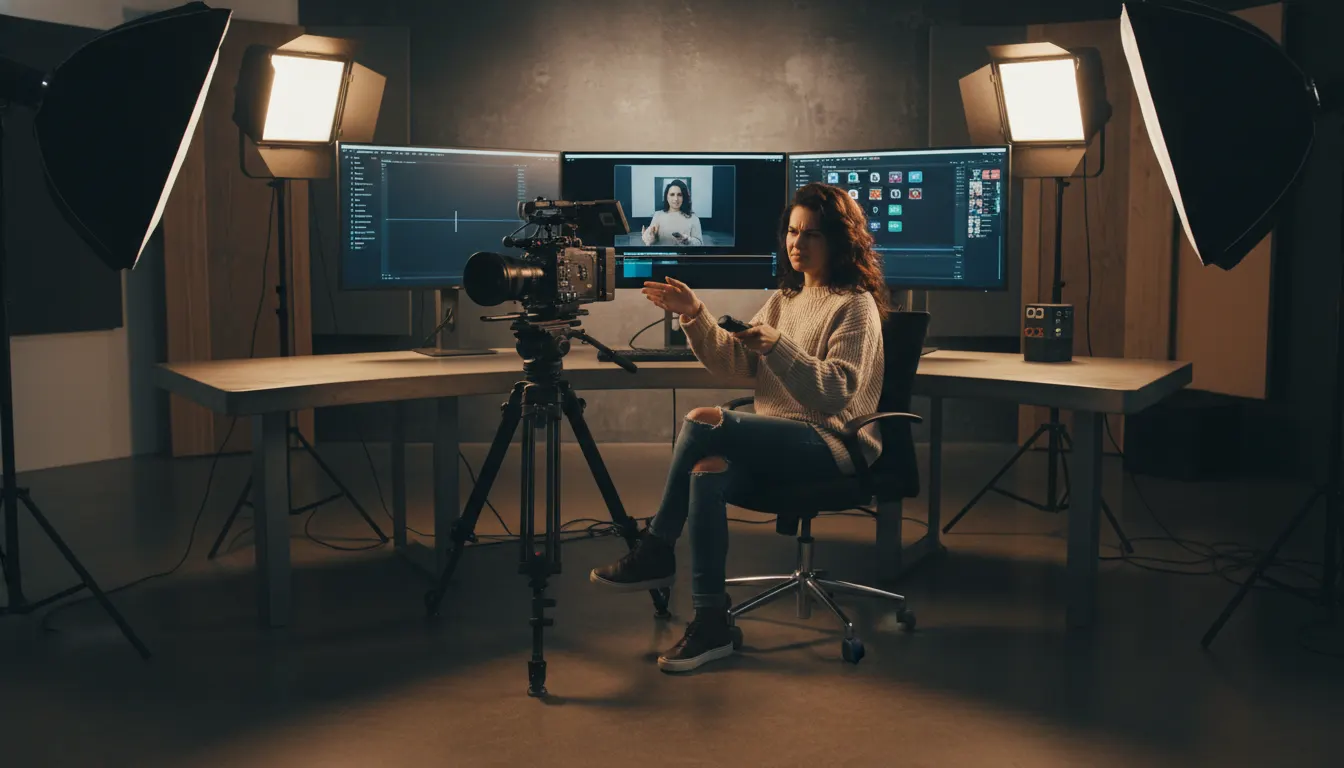
You upgraded to a better camera. Maybe twice. You bought faster glass, added a key light, positioned a rim. The footage improved — sharper, cleaner, better exposed. But the fundamental constraint didn't move: your viewer still watches from one angle. They see what you point at. They never step inside the scene.
That's the technical ceiling of single-perspective capture. One lens, one frame, one field of view. You can push bitrate higher, shoot in log, grade in post — but the viewer's experience is still controlled by where you aimed the camera during recording. If the interesting moment happened outside the frame, it's gone.
Home-studio creators feel this hardest. You're shooting in a 10×12 room with limited space for camera placement. A standard vlog rig forces a choice: face the camera and lose the environment, or show the environment and lose your face. Multi-cam setups help, but switching between angles in post is editorial work, not immersion. The viewer is still watching a sequence of flat frames.
The constraint shows up in the footage's competitive edge — or lack of it. Flat 2D vlogs look like every other flat 2D vlog. Viewers scroll past because the visual language is familiar to the point of invisibility. You're producing the same single-perspective content as 10,000 other creators in your category, and the format itself limits how much your work can stand out.
Wide-angle lenses buy you more room in the frame. Better lighting buys you cleaner exposure in low-light home studios. Neither one solves the core problem: the viewer is still outside the scene, watching through a window you control. Immersion requires perspective control during playback, not just during recording.
The Osmo Magnetic Quick-Release Ecosystem
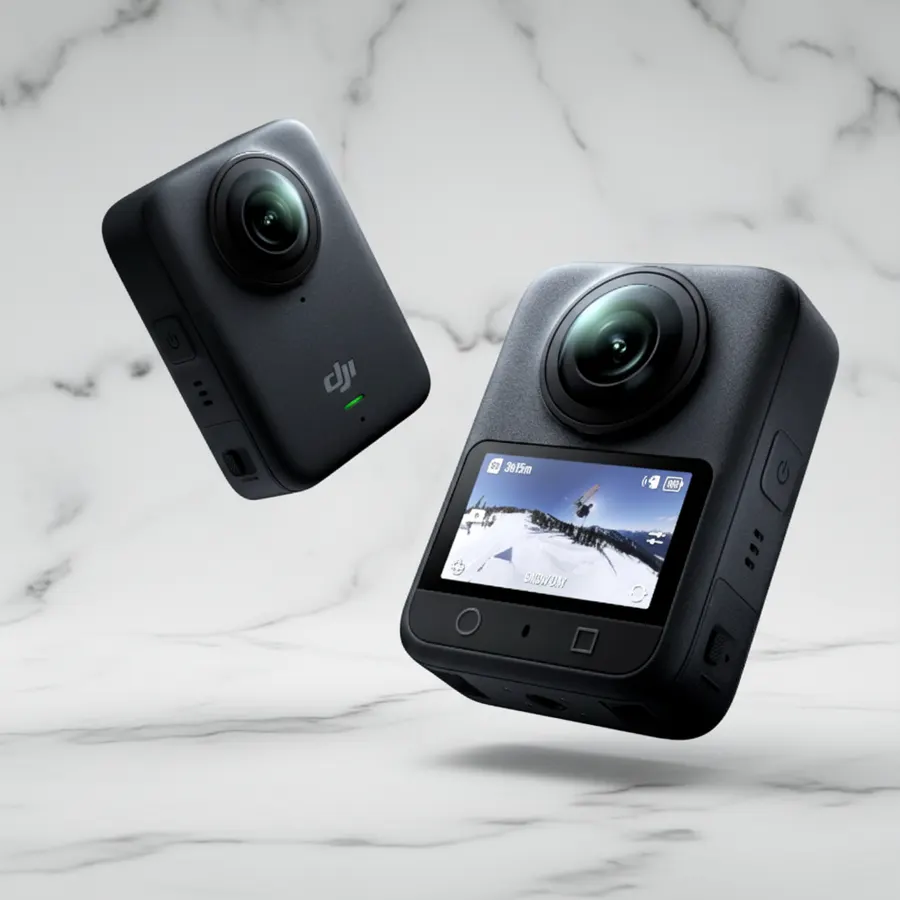
Native 8K 360° capture removes the single-perspective constraint by recording the entire spherical field simultaneously. This is not stitched multi-camera footage assembled in post. A single 1-inch sensor captures 8K resolution across 360 degrees in real time. capturing 8K resolution across 360 degrees in real time. The viewer controls the perspective during playback; you control the scene during recording.
The mechanical advantage is the Osmo Magnetic Quick-Release Ecosystem. Mounting and unmounting happens in under two seconds with zero threading, zero alignment, zero dropped cameras. The magnetic connection handles OsmoAudio Direct — microphone input runs through the mount itself, eliminating cable bulk and pickup placement complexity. One magnetic click secures camera, audio input, and power connection simultaneously.
The sensor is where the low-light performance lives. A 1-inch imaging sensor — significantly larger than the fractional-inch sensors in conventional action cameras and smartphone rigs — captures usable footage in home-studio ambient light without pushing ISO into noise territory. Paired with 10-bit D-Log M color grading support, you're shooting with the same latitude professional colorists expect: 1024 shades per color channel instead of the 256 in standard 8-bit recording.
Recording duration is 100 minutes continuous at 8K/30fps. You won't manage segmented clips requiring post-assembly, and you won't face overheating shutdowns at the 29-minute mark. One hundred minutes of uninterrupted 8K 360° footage per charge. That's enough runtime for a full podcast recording, a cooking tutorial start-to-finish, or an unboxing session with multiple products — captured once, in full spherical resolution, with zero restart friction.
The 4K/120fps mode with 170° Boost Video shifts the rig into high-frame-rate capture for action sequences or smooth slow-motion playback. Same magnetic mount, same direct audio connection, same 10-bit color depth — frame rate and field of view adjust to the content type without swapping hardware or reconfiguring the setup.
What 8K 360° Native Capture Actually Delivers
Why Osmo 360 Works for Home-Studio Content Production
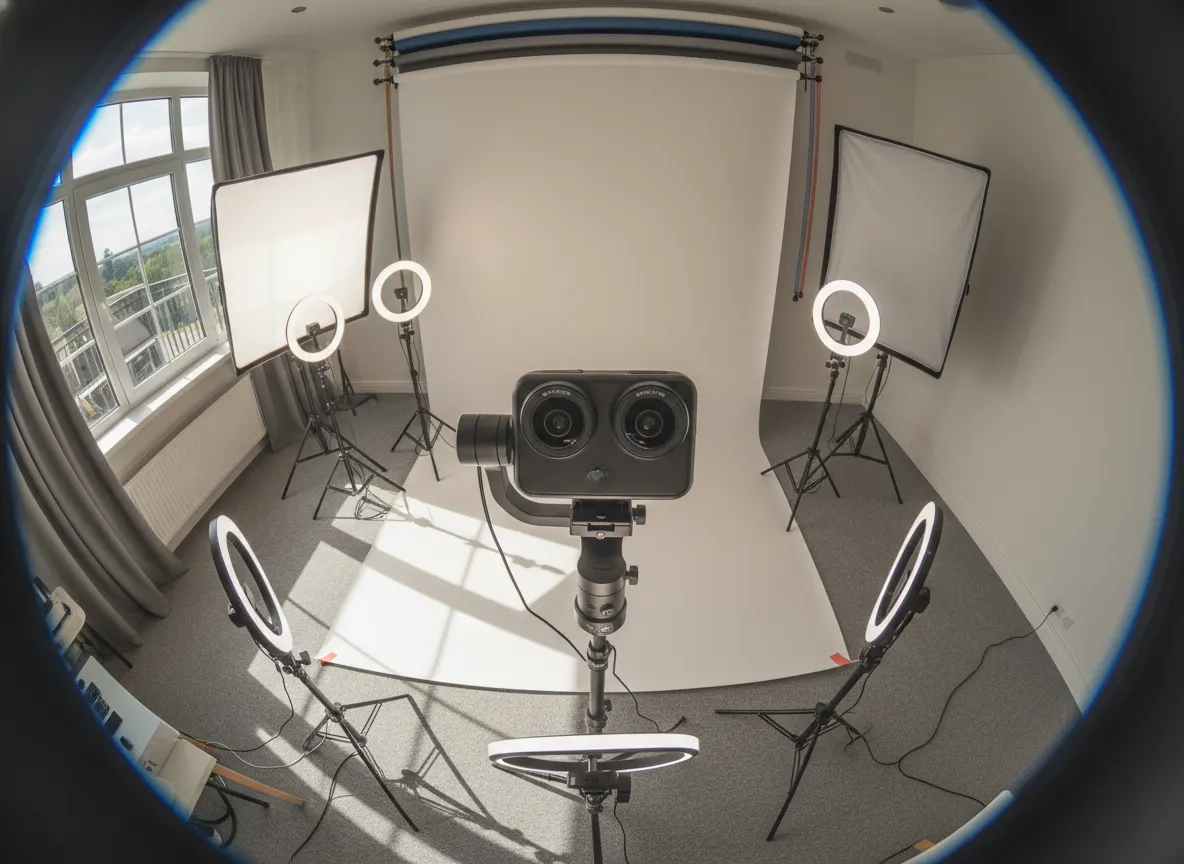
Native 8K 360° sensor captures immersive detail without stitching
Most 360° cameras stitch multiple sensor feeds together in post, introducing lag, alignment artifacts, and processing overhead. Osmo 360 captures native 8K 360° video on a single integrated sensor array, eliminating the computational burden and the quality loss that comes with multi-sensor alignment.
For a vlogger or content creator, that means you shoot once and the immersive frame is already complete — no stitching artifacts to mask in color grading, no software dependency, no frame-rate penalties.
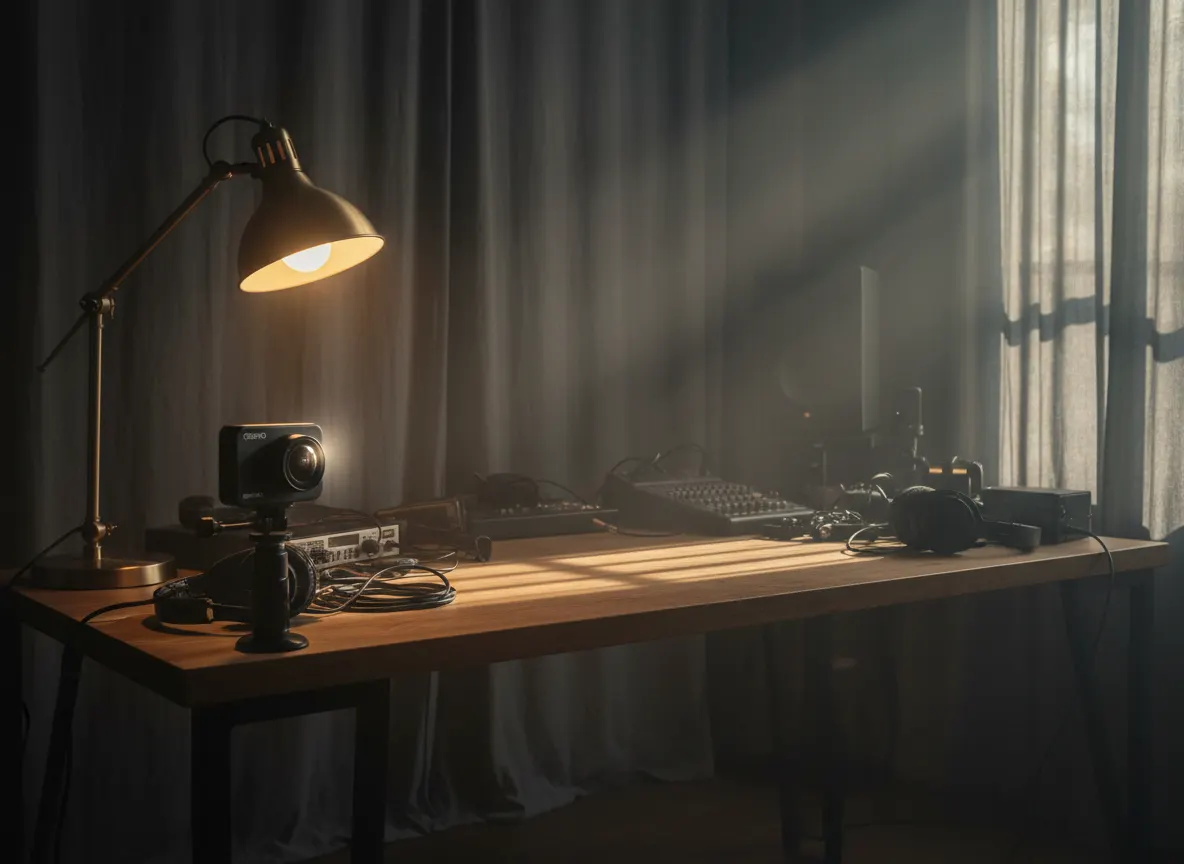
1-inch sensor delivers low-light performance in home studios
A 1-inch sensor gathers roughly four times the light of a smaller 1/2-inch competitor, which means you can shoot immersive 360° content in dimly lit home studios without cranking ISO into the noise floor. This sensor size is the standard in professional cinema cameras — it's the hardware choice that separates broadcast-grade capture from consumer-grade.
For creators working in controlled indoor environments, this translates to usable footage at lower light levels and cleaner color grading in post.
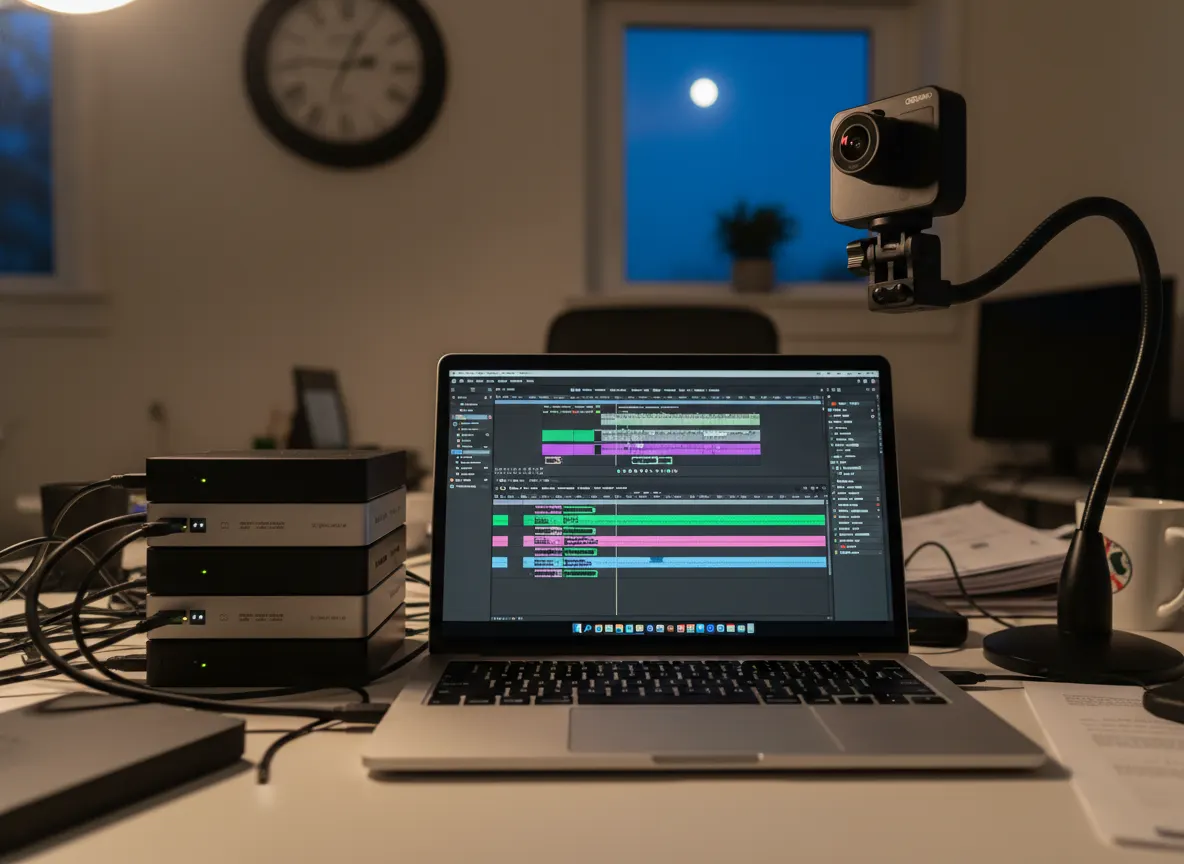
100-minute continuous 8K/30fps removes mid-shoot file swaps
Most 360° cameras top out at 25–45 minutes of continuous recording before file management or thermal limits force a stop. Osmo 360 delivers 100 minutes of uninterrupted 8K at 30fps, which means a creator can run a full live-reaction video, interview, or ambient vlog scene without splitting the capture across multiple files.
Fewer file boundaries mean fewer editing seams, fewer sync points to manage, and the ability to capture long-form immersive content in a single take.
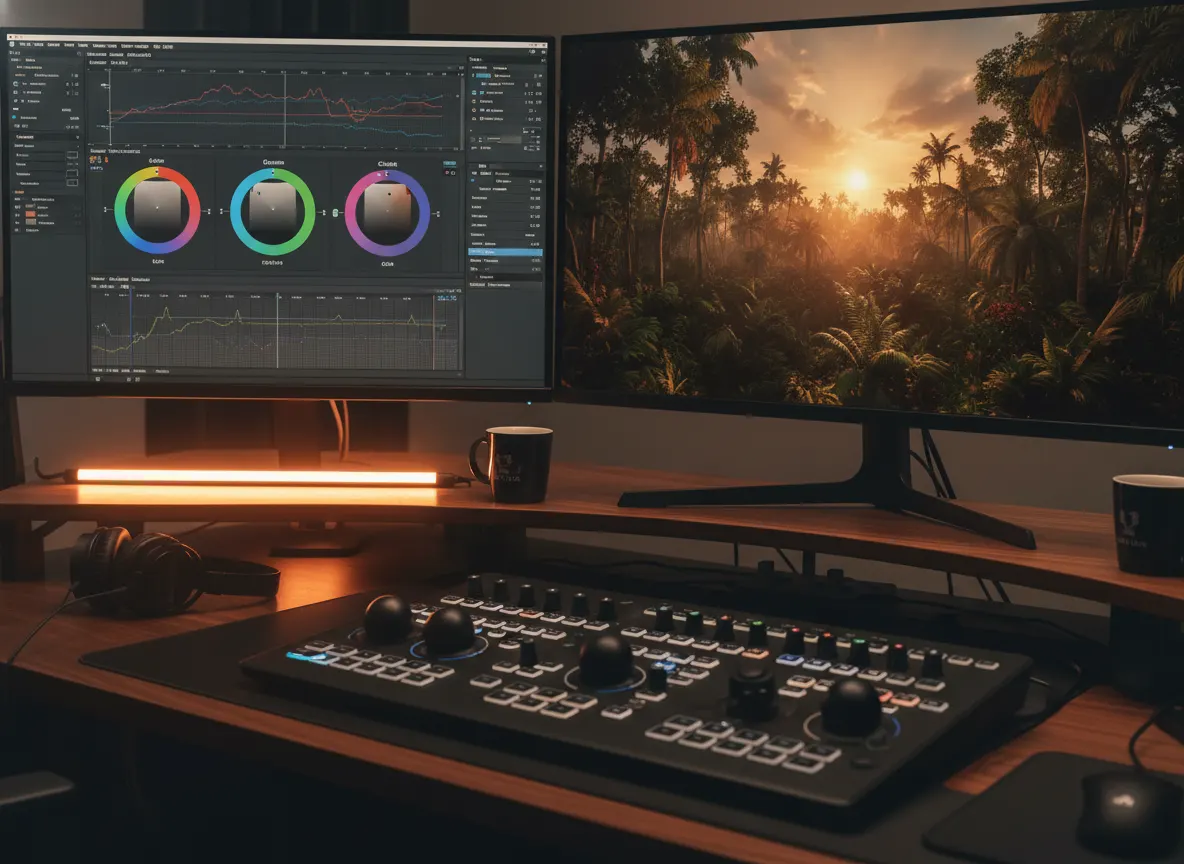
10-bit D-Log M color grading unlocks professional post-production workflow
10-bit D-Log M is the industry standard for color science in professional cinema — it captures the full tonal range and color information needed for aggressive color grading without banding or posterization. Most consumer 360° cameras output 8-bit rec.709, which locks your grade into a narrow creative window before you even open the timeline.
For creators who want the flexibility to grade immersive footage like a broadcast colorist would, D-Log M is the differentiator that unlocks that capability.
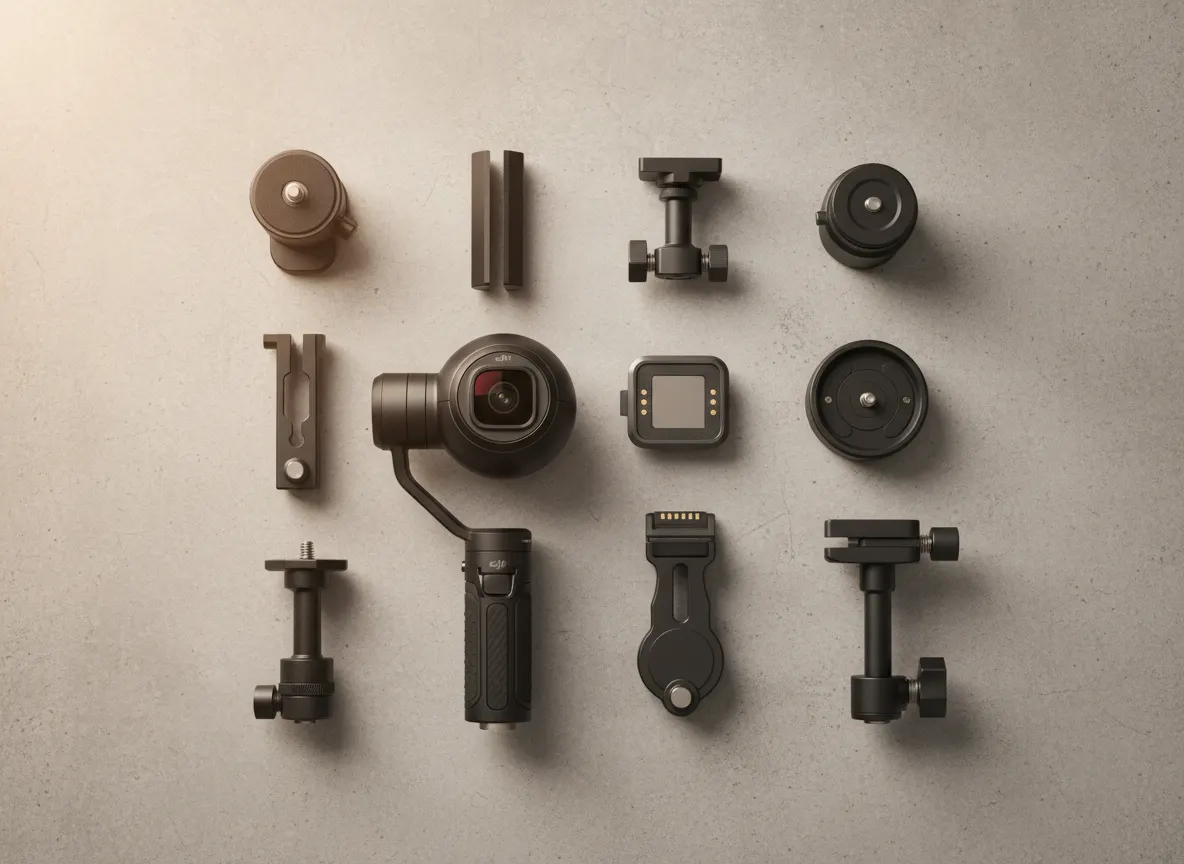
Osmo Magnetic Quick-Release ecosystem cuts setup and transition time
The Osmo Magnetic Quick-Release system lets you dock, undock, and remount the 360° camera module across gimbals, tripods, and mounts in seconds without tools or alignment fuss. For a vlogger shooting multiple angles or switching between tabletop and handheld rigs, this ecosystem cuts the friction between setups.
It's the hardware detail that transforms Osmo 360 from a single-angle capture device into a flexible tool that adapts to different scenes within the same shoot day.
Your First 8K 360° Shoot: Setup to First Playback
How 360° Rigs Usually Work (And Where Single-Sensor Native Capture Pulls Ahead)
- Multiple smaller sensors (1/2-inch or smaller) struggle in low light, forcing ISO cranks and noise
- Requires external stitching software post-production -- adds workflow friction and quality loss at seams
- Native output capped at 4K or 6K; upscaling to 8K degrades detail and color accuracy
- Bulky mechanical mounts with separate cables for each camera -- unreliable during handheld recording
- 100+ minute sessions demand swapping batteries across multiple cameras, breaking continuity
- Single 1-inch sensor captures native 8K 360° -- retains detail and color fidelity in any light condition
- In-camera stitching eliminates post-production bottleneck; 8K footage ready to grade and publish
- Native 8K resolution means no upscaling artifacts; 10-bit D-Log M preserves shadow and highlight detail
- Osmo Magnetic Quick-Release design snaps on/off in seconds; one unified power system, zero cable management
- 100-minute continuous 8K/30fps recording on single charge -- no battery swaps, no lost moments
Questions You're Already Asking
Guaranteed