6 Things Anxious Coffee Drinkers Don't Know About Energy Alternatives
The difference between a caffeinated panic attack and calm focus comes down to extraction strength and amino acid pairing — not marketing promises.

 🍄 Real fruiting body
1
🍄 Real fruiting body
1
Most mushroom coffees use mycelium, not fruiting bodies
Mycelium is the root structure — cheap to grow, fast to harvest, but mostly starch and fiber. The actual medicinal compounds live in the fruiting body, the part that takes months to cultivate. Most brands pad their blends with mycelium grown on grain, then call it a mushroom extract. You're paying for filler.
Real fruiting body extracts cost more to source, but the beta-glucans and triterpenes — the compounds that actually support focus and stress response — are concentrated there. If the label doesn't specify fruiting body, you're drinking oats with mushroom flavoring.
 ⚖️ Clinical-dose reality
2
⚖️ Clinical-dose reality
2
Low doses won't do anything — you need clinical levels
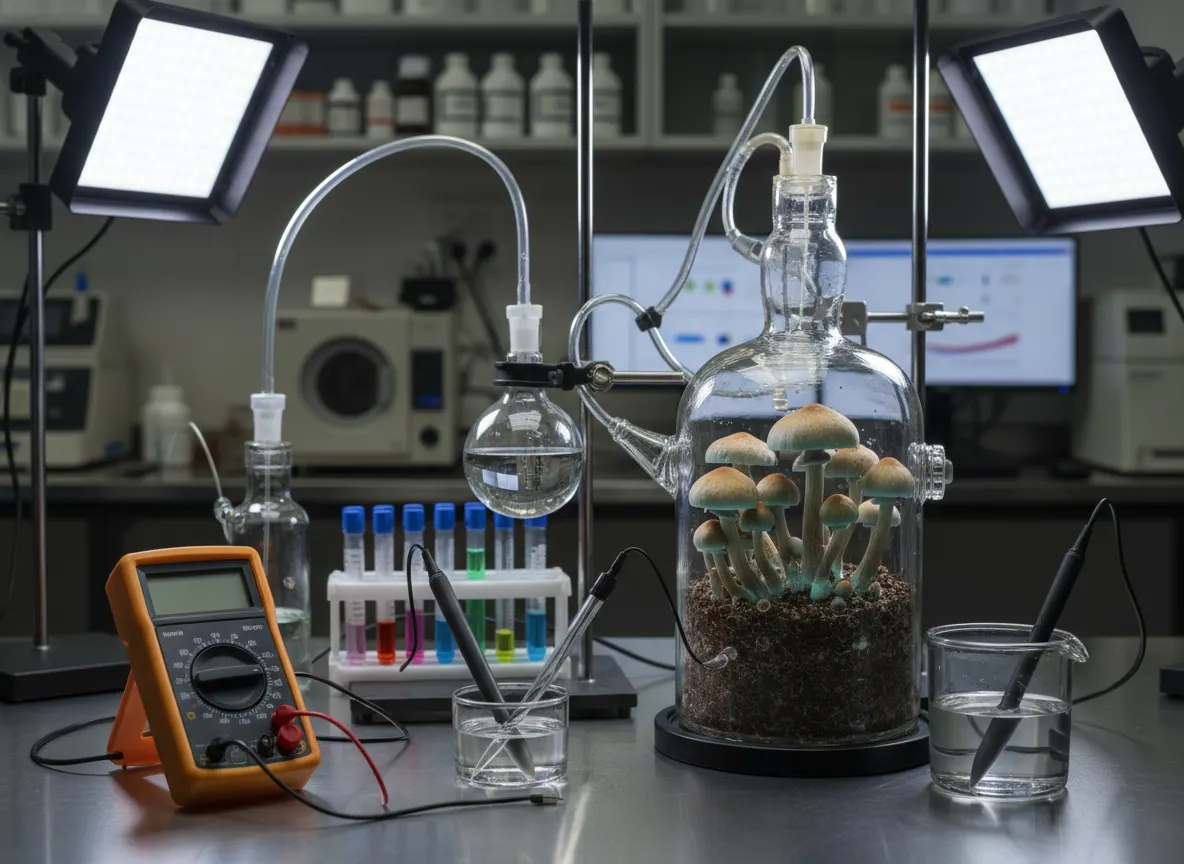
The studies showing cognitive and immune benefits used 3000mg or more of mushroom extracts per serving. Most commercial blends deliver 500–1000mg total, then bury the dose in a proprietary blend so you can't audit the math. A sprinkle of lion's mane isn't a nootropic — it's decoration.
The gap between clinical doses and marketing doses is the difference between a supplement that works and one that tastes interesting. If the brand won't disclose milligrams per ingredient, they're hoping you won't ask.
 🧘 Calm without crash
3
🧘 Calm without crash
3
Caffeine without L-theanine creates the jitters you're trying to escape
Caffeine alone triggers cortisol and adrenaline — the fight-or-flight chemicals that make your heart race and your thoughts spiral. L-theanine, an amino acid found in tea, smooths that spike by promoting alpha brain waves. The result: calm alertness instead of wired anxiety. It's not magic; it's biochemistry that's been peer-reviewed for two decades.
Most mushroom coffees skip L-theanine because it costs more than filler. You end up with the same jittery feeling you were trying to leave behind, now with a higher price tag.
Try Jitter-Free Energy 🔬 8x concentration
4
🔬 8x concentration
4
Extraction strength matters more than ingredient lists
An 8:1 extraction ratio means eight pounds of raw mushroom were concentrated into one pound of extract. The bioactive compounds — the polysaccharides your cells actually absorb — are what survive that process. A 1:1 or dual-extract blend is barely stronger than eating dried mushrooms.
High-ratio extracts are darker, more bitter, and cost significantly more. Brands using weak extracts compensate with longer ingredient lists and vague language about "whole mushroom benefits." Concentration is the difference between a supplement and a marketing story.
 ✅ Lab-verified purity
5
✅ Lab-verified purity
5
Third-party testing is the only proof that matters
A Certificate of Analysis from an independent lab like Eurofins or NSF tells you three things: the ingredients match the label, the product is free of heavy metals and contaminants, and the stated doses are accurate. In-house testing is self-reported. Third-party testing is audited.
Functional mushrooms are grown on substrate that can absorb lead, arsenic, and cadmium. Without independent verification, you're trusting the brand's word. That trust has been broken enough times in this category that the COA should be non-negotiable.
 ☕ Chocolate-coffee forward
6
☕ Chocolate-coffee forward
6
The taste should make you want to drink it every day
If a mushroom coffee tastes like dirt or requires three add-ins to choke down, you won't stick with it. The ritual matters as much as the formula. Chocolate-forward blends mask the earthy bitterness of high-dose extracts without artificial flavoring. A product that works but tastes bad is a product you'll quit.
The brands betting on wellness fatigue use taste as the differentiator. If the first sip doesn't land, the bioavailability is irrelevant — you won't finish the bag.
Meet Wonder Coffee
Wonder Coffee checks every box we just covered.
The 8:1 fruiting body extracts, the 3000mg+ clinical dosing that moves the needle, the L-theanine-caffeine pairing that stops the jitters, the Eurofins third-party testing with a public COA, the chocolate-forward taste — built around evidence, not marketing budget.
Two versions: grass-fed collagen for joint and skin support, or vegan tremella with MCT oil for plant-based energy. Both use the same mushroom base — lion's mane, reishi, chaga — at doses that match the studies.
88.9% saw improvement in focus, energy, or mood. The 60-day guarantee means you're not risking anything but a month of better mornings.
Try Wonder Coffee Risk-Free
What are people saying about Wonder Coffee Starter Pack?
Over 20,000 customers have made the switch — most report noticing the difference within the first week. The recurring themes: no crash, no jitters, and a taste that actually makes them look forward to the ritual.
Get Started With Wonder Coffee Starter Pack

Does mushroom coffee actually work?
Most of the questions we hear boil down to three concerns: does it taste like mushrooms, will it make me jittery, and is the science real? Here's what you need to know before your first cup.
Get Started Today
These statements have not been evaluated by the Food and Drug Administration. This product is not intended to diagnose, treat, cure, or prevent any disease.