8 Reasons People Are Choosing Blue Burn Over GLP-1s
Oregon grape root delivers berberine that works with your metabolism — without the prescription, the nausea, or the $1,000 monthly cost.
 1
1
No Injections, No Prescriptions, No Doctor Visits
GLP-1 drugs require a prescription, insurance pre-authorization, and monthly doctor check-ins to refill. Blue Burn ships to your door with no paperwork. You decide when to start, when to pause, when to reorder. The barrier to entry is a click of a button, not a physician referral. If you've spent weeks navigating prior-auth denials or hunting for a telehealth clinic that'll write the script, the friction is real — Blue Burn removes it entirely.
 2
2
Blue Burn Works With Your Body, Not Against It
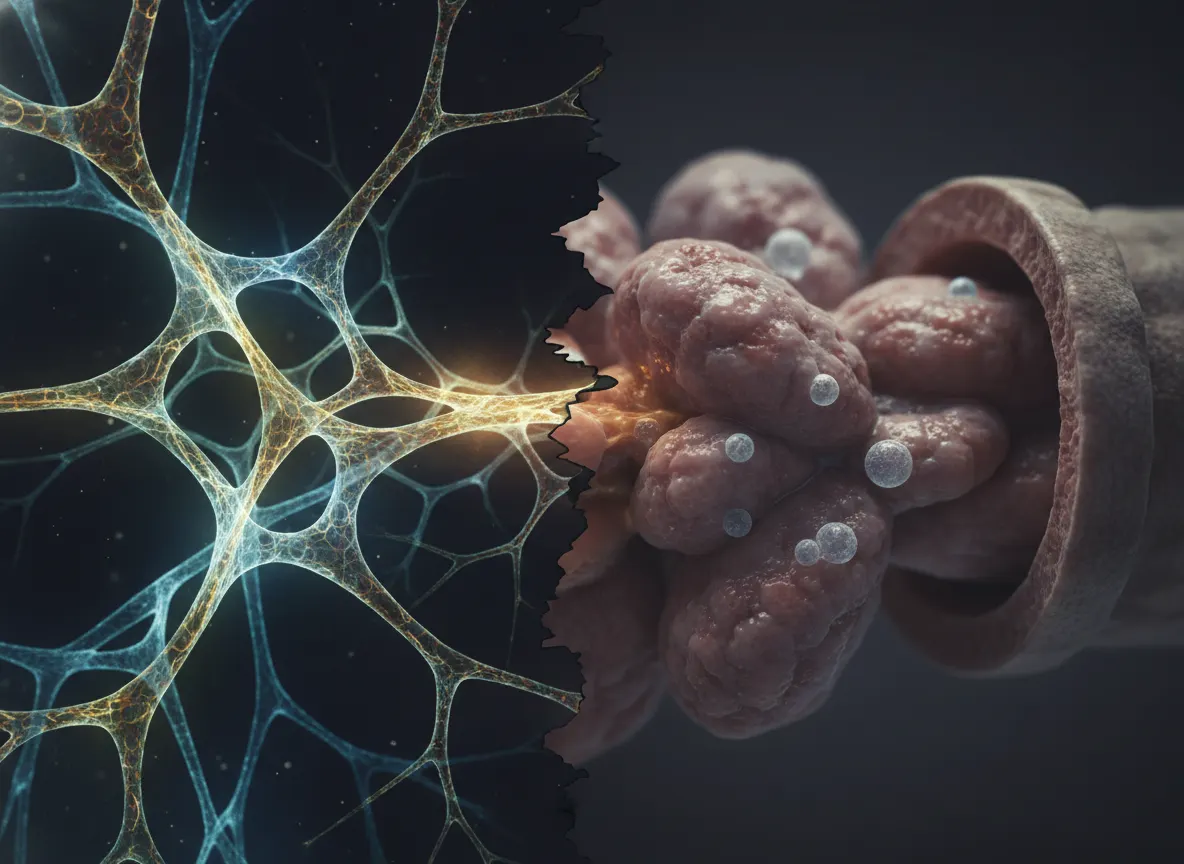
GLP-1s slow gastric emptying — they make you feel too full to eat. Blue Burn uses berberine to support metabolic function the way your body already does it: activating AMPK, the enzyme that tells cells to burn glucose for energy instead of storing it as fat. You're not forcing your stomach to stop working. You're helping your cells do their job faster.
 3
3
Oregon Grape Root Delivers Berberine Without Synthetic Fillers
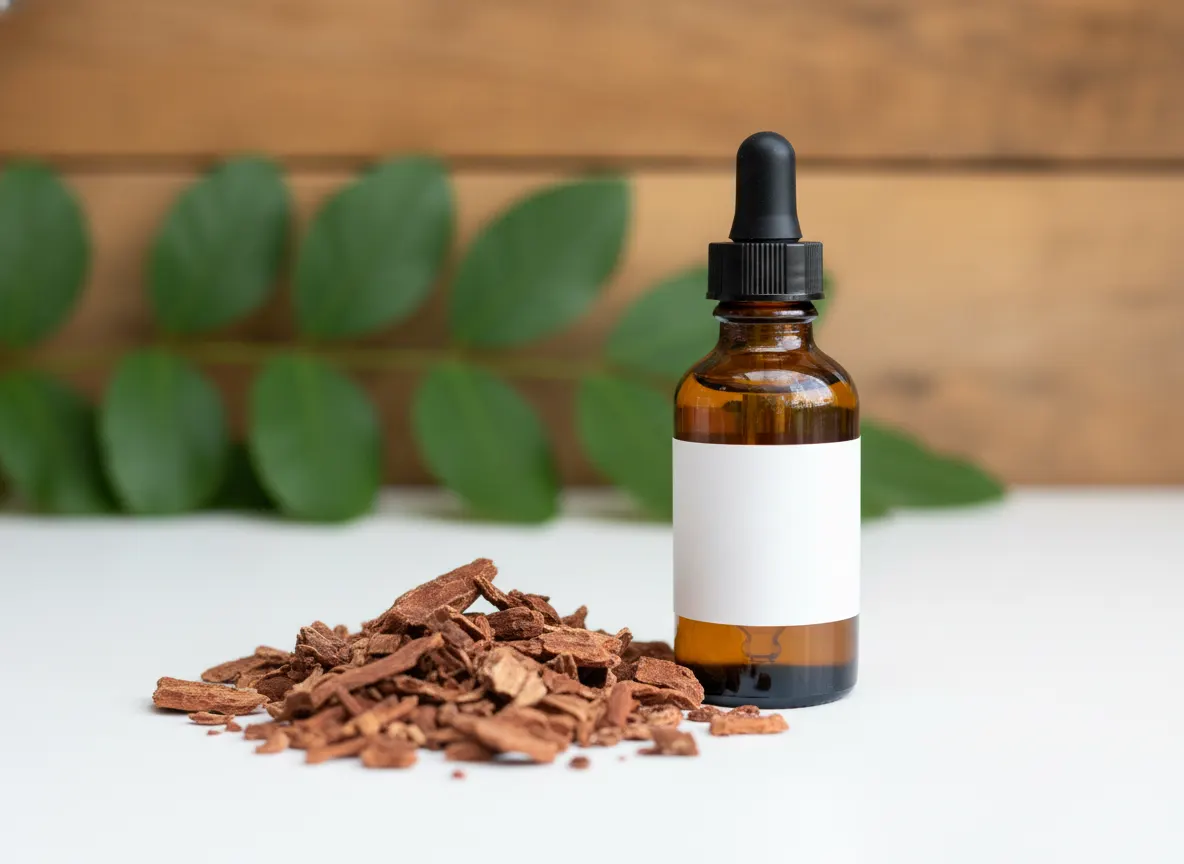
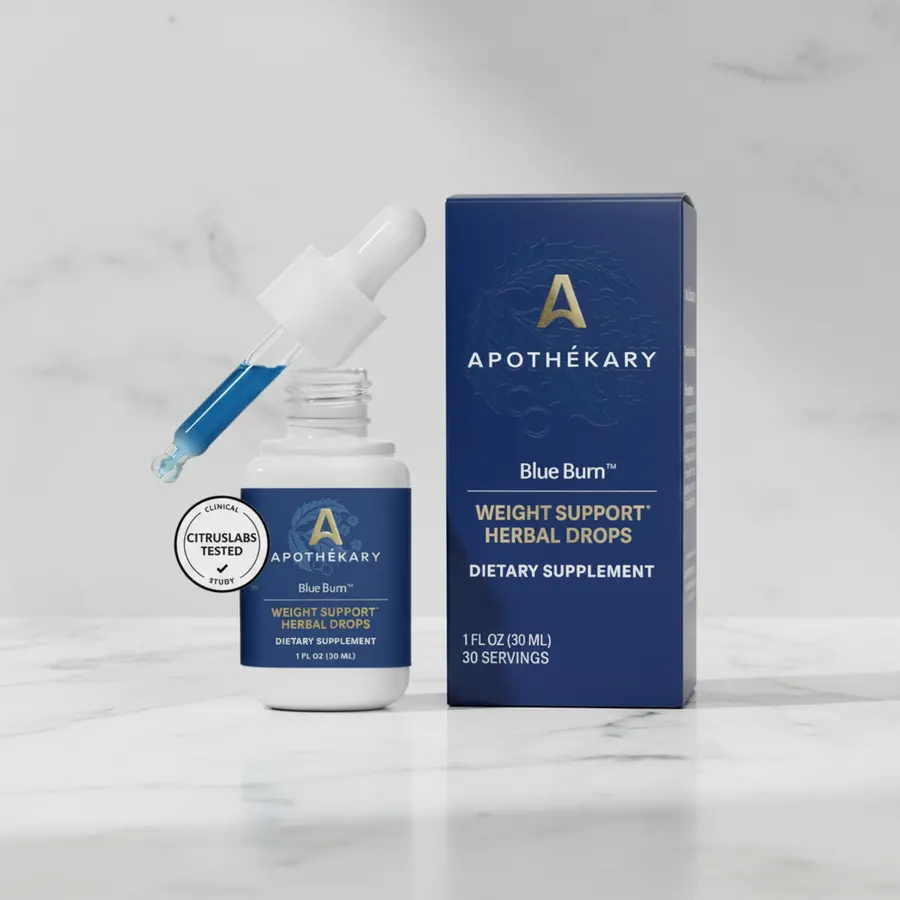
Most berberine supplements source the compound from a lab. Blue Burn extracts it from Oregon grape root — a botanical that's been used in traditional medicine for centuries. The root delivers berberine alongside naturally occurring alkaloids that support absorption. Blue Burn's in-house scientists formulated it specifically to avoid the synthetic shortcuts most brands take. You get the active compound the way it grows, not the way a factory synthesizes it.
 4
4
You Keep Your Appetite — Blue Burn Just Keeps Cravings in Check
GLP-1 users experience food aversion — the smell of chicken, the sight of a full plate, triggers nausea. Blue Burn doesn't suppress appetite; it stabilizes blood sugar so the 3pm crash that sends you hunting for chips doesn't happen. You still feel hungry at mealtimes. You just don't feel the spiking, crashing desperation that drives you to snack between them.
 5
5
No Nausea, No GI Side Effects
The most common reason people quit GLP-1s is gastrointestinal distress — nausea, vomiting, constipation that lasts weeks. Berberine can cause mild GI upset in the first few days as your gut adjusts, but nowhere near that severity. Most don't report side effects at all. The ones who do describe a brief adjustment period, not ongoing misery.
 6
6
Energy Stays Steady All Day
GLP-1 users often report fatigue — their body is running on fewer calories and feels it. Blue Burn supports metabolic function by helping cells convert glucose into usable energy instead of letting it sit in your bloodstream. Your energy doesn't spike and crash with blood sugar. It hums along steadily from morning coffee to evening cleanup, no mid-afternoon collapse.
 7
7
$1.30 Per Serving vs. $1,000 Monthly Injections
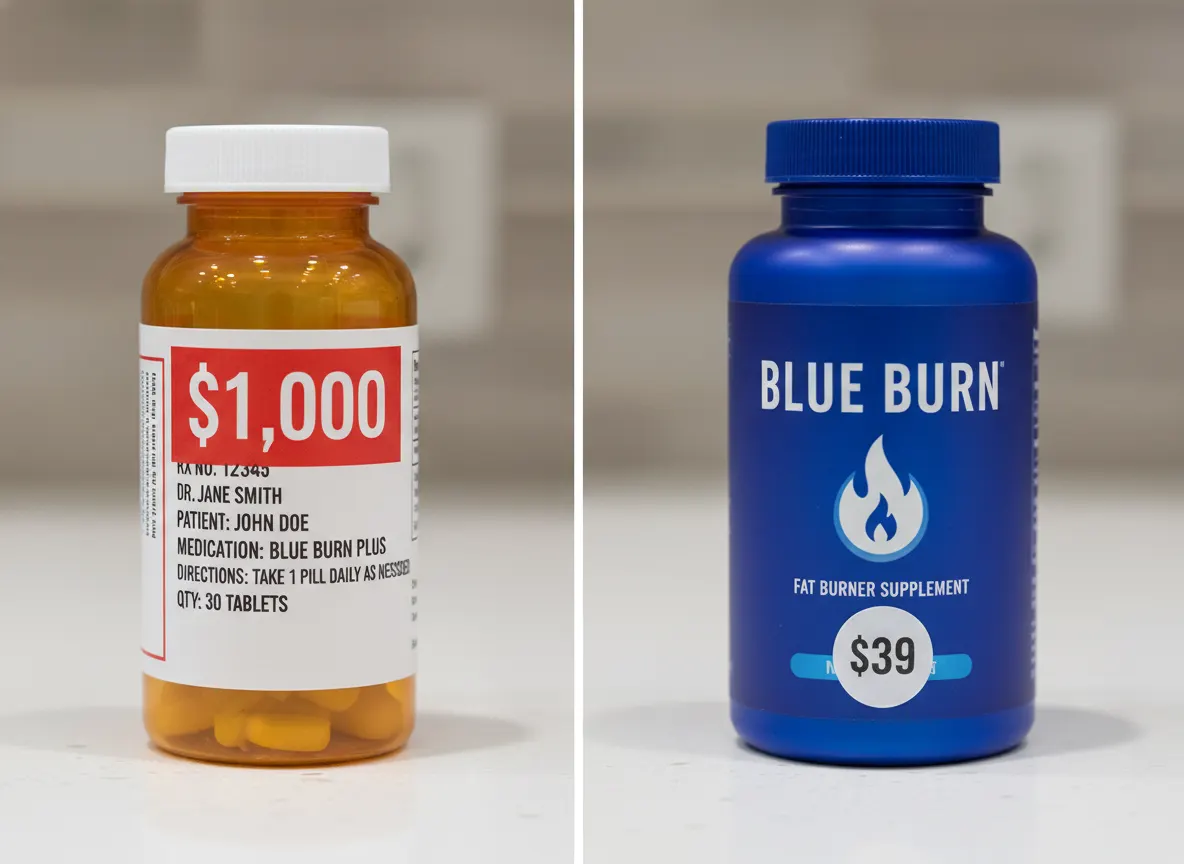
GLP-1s cost $900 to $1,350 per month without insurance. Even with coverage, co-pays run $200+. Blue Burn is $1.30 per serving — $39 for a 30-day supply, one-time purchase. Subscribe and the price drops another 15%. That's $33.15 per month vs. $1,000+.
 8
8
Blue Burn's Scientists Built It for Daily Use, Not Emergency Weight Loss
GLP-1s were designed to treat Type 2 diabetes — weight loss is a side effect being marketed as the main event. Blue Burn was formulated by in-house R&D scientists specifically for metabolic support as a daily ritual. Every decision was made differently. The dose, the delivery (liquid tincture for faster absorption), the ingredient sourcing — all for people building a sustainable routine, not chasing rapid results. It fits into your morning the way coffee does, not the way a medical intervention does.
Start Your Metabolic Ritual
Inside Every Bottle
Common Questions
The most common questions people ask when switching from GLP-1s to Blue Burn — how it works, what to expect, and whether berberine delivers the same metabolic support without the prescription.