Most mineral supplements hide their real dosing behind proprietary blends—here's what clinical transparency actually looks like
Strength athletes are paying for marketing math while under-dosed actives and low-bioavailability compounds produce no measurable performance gains.
Most mineral supplements on the market don't list their actual per-serving mineral content. They hide behind proprietary blends, round up trace amounts to look like clinical doses, or source from compounds the body can't efficiently absorb.
You've probably bought one. Maybe it promised electrolyte balance, recovery support, or energy without the caffeine crash. You took it for three weeks, ran the same training block, tracked the same metrics. Nothing measurably shifted.
The problem isn't that mineral supplementation doesn't work for strength athletes. The problem is that most products in the category fail to deliver bioavailable minerals at doses high enough to saturate tissue and move performance markers.
Why most mineral powders under-deliver

The supplement industry optimized for margin, not mineral bioavailability. Proprietary blends let brands print impressive ingredient lists without disclosing that magnesium oxide—a poorly absorbed form—makes up 80% of the magnesium count. Trace mineral complexes get listed at 50mg when the actual ionic mineral content is closer to 5mg.
Athletes pay for a label that looks clinical. What they're getting is under-dosed actives in forms the body has to work against to absorb.
So here's what this piece delivers: the category-level criteria that separate bioavailable mineral supplementation from label marketing, what clinical dosing actually looks like when a brand isn't hiding behind blends, and which mineral powder meets those standards for strength athletes tracking measurable performance gains.
What bioavailable mineral delivery actually means
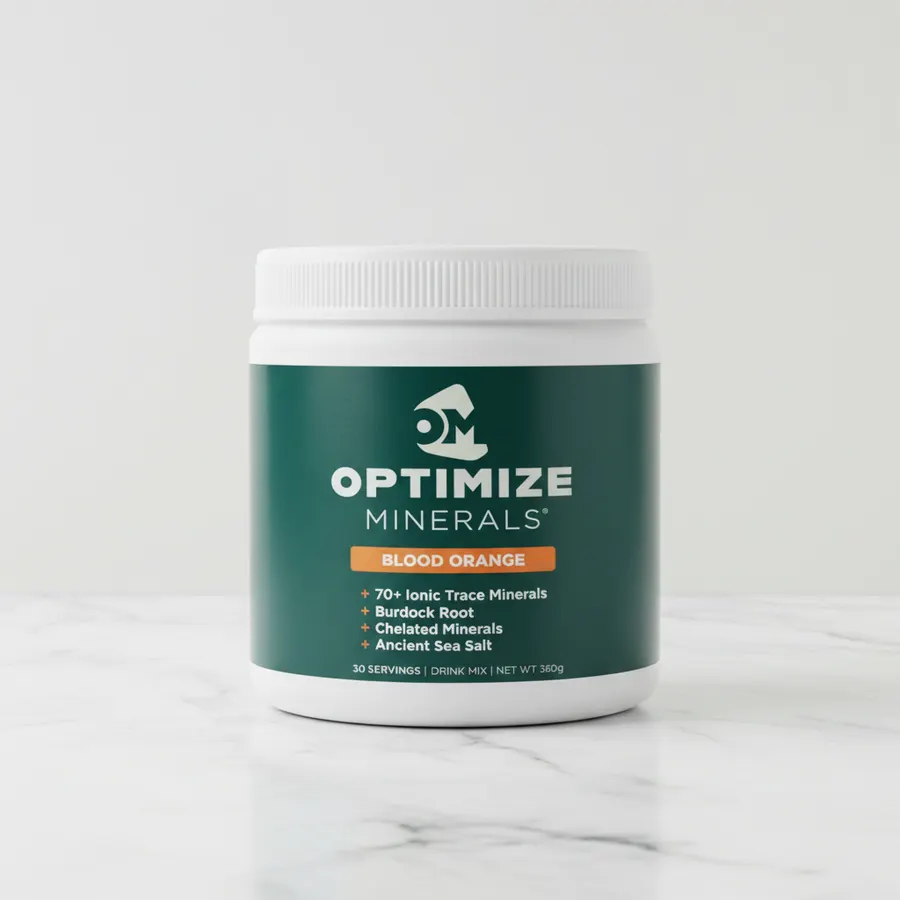
Bioavailability is the percentage of an ingested mineral that reaches systemic circulation and becomes available for the body to use. Two products can list the same mineral at the same dose, but if one uses magnesium oxide and the other uses chelated magnesium glycinate, absorption rates differ by 400%.
Ionic trace minerals—minerals dissolved in water as charged particles—are among the most bioavailable forms because they don't require additional digestive breakdown. Sourced from inland sea water or ancient sea beds, ionic minerals enter the bloodstream faster and at higher concentrations than minerals bound in oxide or carbonate forms.
Chelation is the second bioavailability lever. Chelated minerals are bonded to amino acids, which protect the mineral from binding to inhibitors in the digestive tract and escort it through the intestinal wall. Zinc bisglycinate, magnesium glycinate, and selenium methionine are chelated forms; zinc oxide and magnesium carbonate are not.
Clinical dosing is the third criterion. A mineral powder listing 12 trace minerals at 2mg each isn't clinically dosed—it's a marketing list. Clinical doses are grounded in research: 200-400mg of magnesium for muscle function and recovery, 15-30mg of zinc for immune and hormone support, 200-400mcg of selenium for antioxidant defense.
Once bioavailable minerals reach systemic circulation, athletes report three shifts. First, improved energy and fluid balance through electrolyte regulation. Second, faster ATP production supporting muscle function. Third, reduced inflammation and oxidative stress—many athletes notice quicker recovery between sessions.
What clinical-dose minerals support in training
The ionic mineral foundation and chelated actives



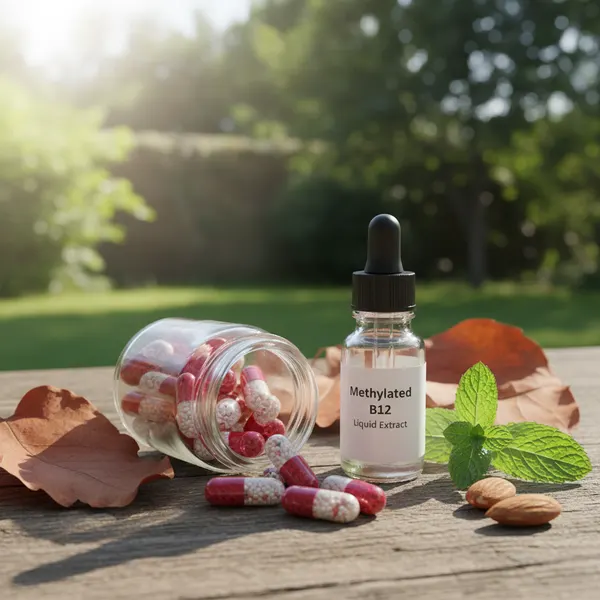


Why Optimize Minerals Powder delivers what label marketing doesn't

70+ ionic trace minerals in one clinical dose
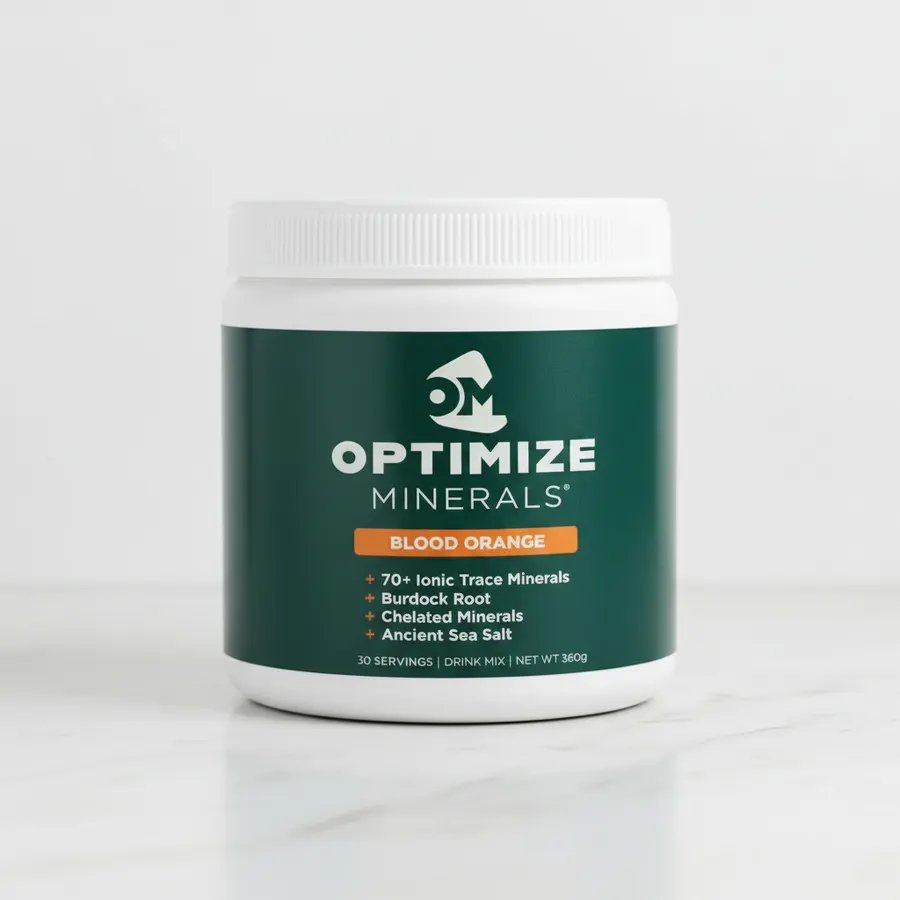
Most mineral supplements cherry-pick three to five minerals and call it complete. Optimize delivers 70+ ionic trace minerals from inland sea water in a single 400mg serving -- the full spectrum your body can't synthesize on its own.
Ionic means they're water-soluble and ready for immediate absorption, which is why athletes feel the difference in energy and recovery within the first week, not the second month.
No proprietary blend means you know the actual dose
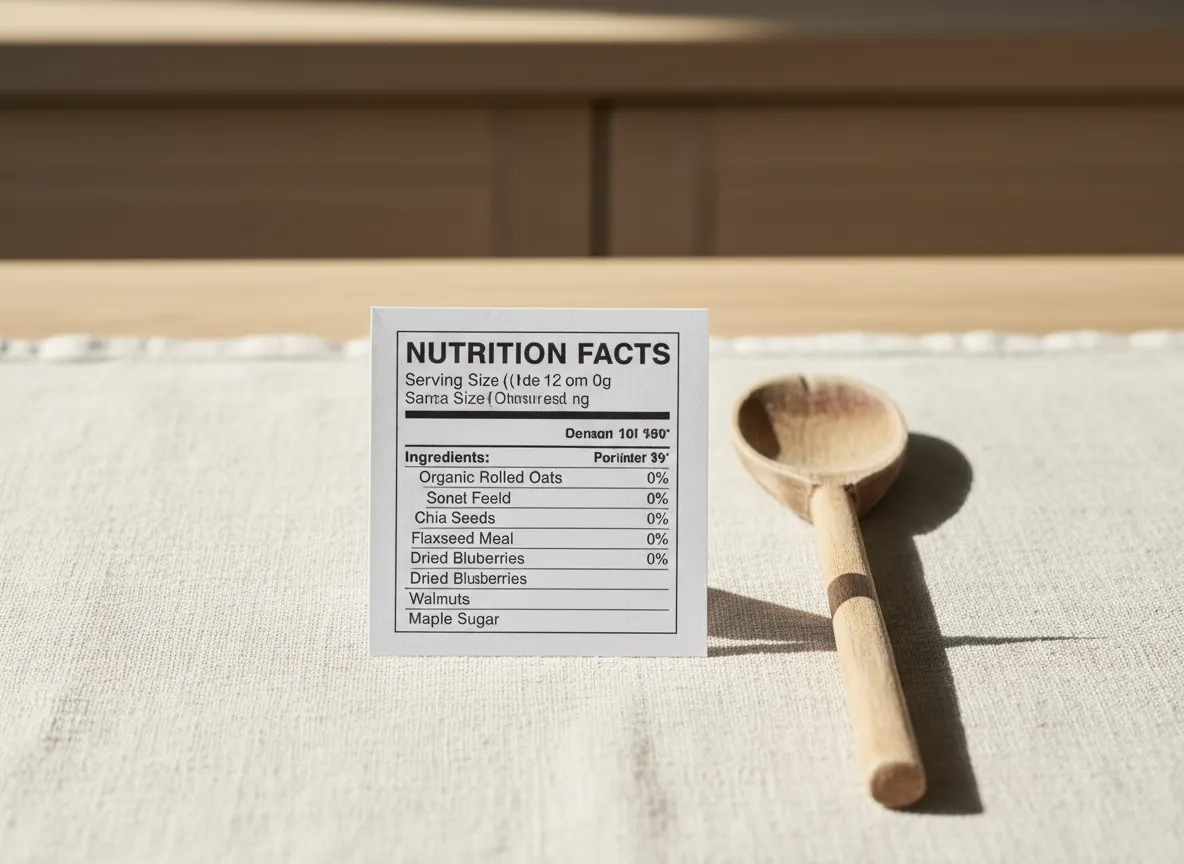
Proprietary blends hide ingredient quantities so competitors can't copy you -- and so you can't tell if you're getting 10mg or 100mg of what actually matters. Optimize lists every mineral, every chelated form, and every vitamin with its exact dose on the label.
400mg of ionic trace minerals, 300mg of ancient sea salt, 500mg of vitamin C, 200mcg of methylfolate -- it's all there. This transparency is what lets you compare to clinical studies and know you're hitting the research-backed doses.
Methylated B12 and methylfolate bypass metabolism issues
Many people have genetic variations (MTHFR mutations) that make them slow converters of regular B vitamins. Optimize uses methylated B12 and methylfolate -- the active forms your body can use immediately, with no conversion step required.
This is the difference between taking a B vitamin and actually feeling the energy lift it's supposed to deliver, especially for busy professionals and athletes with high metabolic demand.
3rd-party tested for heavy metals, potency, and microbial safety
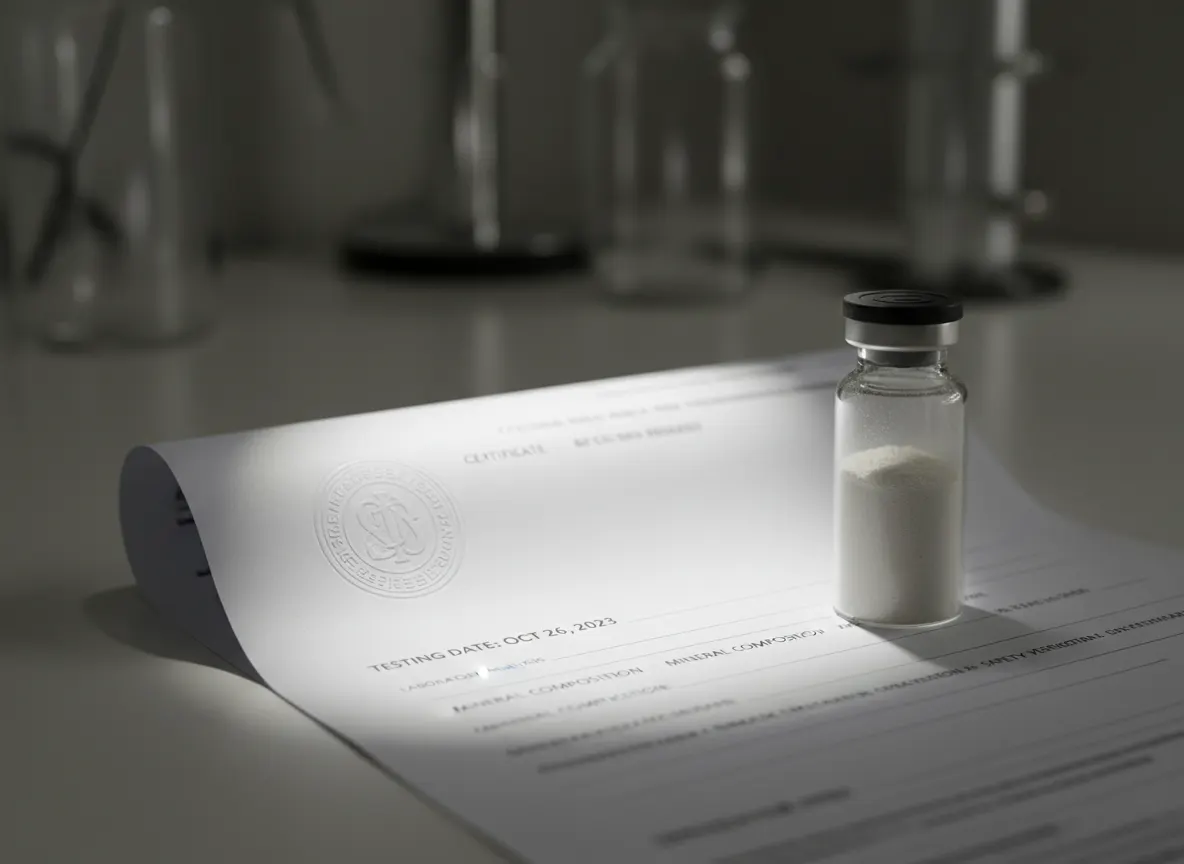
Inland sea water can concentrate heavy metals if sourced carelessly. Every batch of Optimize is 3rd-party tested for lead, cadmium, arsenic, and microbial contamination -- and the results are published.
This is the test most supplement brands skip because it's expensive and exposes quality gaps. Optimize runs it every time because serious athletes need to know what's actually in their recovery stack.

Won't break your fast and dissolves instantly in water
Mineral powders often clump, require flavor masking, or contain additives that trigger a digestive response that breaks a fast. Optimize's unflavored option contains zero citric acid, monk fruit, artificial sweeteners, or fillers -- just minerals and water-soluble vitamins.
This is why intermittent fasters, athletes in a caloric deficit, and people with sensitive digestion can take it during their fasted window without triggering hunger or stomach distress.
What athletes report after switching to transparent dosing
Your first 30 days: when minerals enter circulation and energy shifts
Transparent clinical dosing vs. proprietary blends
- Proprietary blends hide actual mineral doses -- you don't know what you're taking or if it's clinically relevant
- Cheap oxide and carbonate forms that your gut absorbs poorly -- most passes through unabsorbed
- Token doses of trace minerals listed on the label but too low to produce measurable results
- No third-party testing for heavy metals -- inland water sources can concentrate contaminants
- Added citric acid, artificial sweeteners, and fillers that interfere with mineral absorption and digestion
- Every mineral dose published on the label -- 70+ ionic trace minerals at 400mg with zero proprietary blends
- Ionic and chelated forms designed for water solubility and direct gut absorption without digestive stress
- Clinical dosing protocol: 1 scoop delivers research-backed mineral concentrations proven to shift energy, digestion, and focus
- Third-party tested for heavy metals, microbes, and potency -- transparent quality assurance you can verify
- Unflavored option with zero citric acid, monk fruit, or additives -- pure minerals that won't break your fast or trigger sensitivities
Common concerns about switching to clinical-dose minerals