9 Reasons Newcomers Choose Fruiting Body Coffee Over Mycelium Blends
The difference between fruiting body extracts and mycelium powder isn't on the label — but it's the only thing that matters.

Most mushroom coffee brands use mycelium grown on grain — cheap filler that carries almost none of the compounds you're paying for. The label says "mushroom extract," but the product is mostly oat starch with trace amounts of the stuff that works.
You're choosing between real medicinal mushrooms and grain powder with branding. The difference is extraction ratio, dose size, and whether the brand shows third-party test results. Here's what to look for — and what Wonder Coffee does differently.
 1
1
Real Fruiting Body Extracts Beat Mycelium Powder
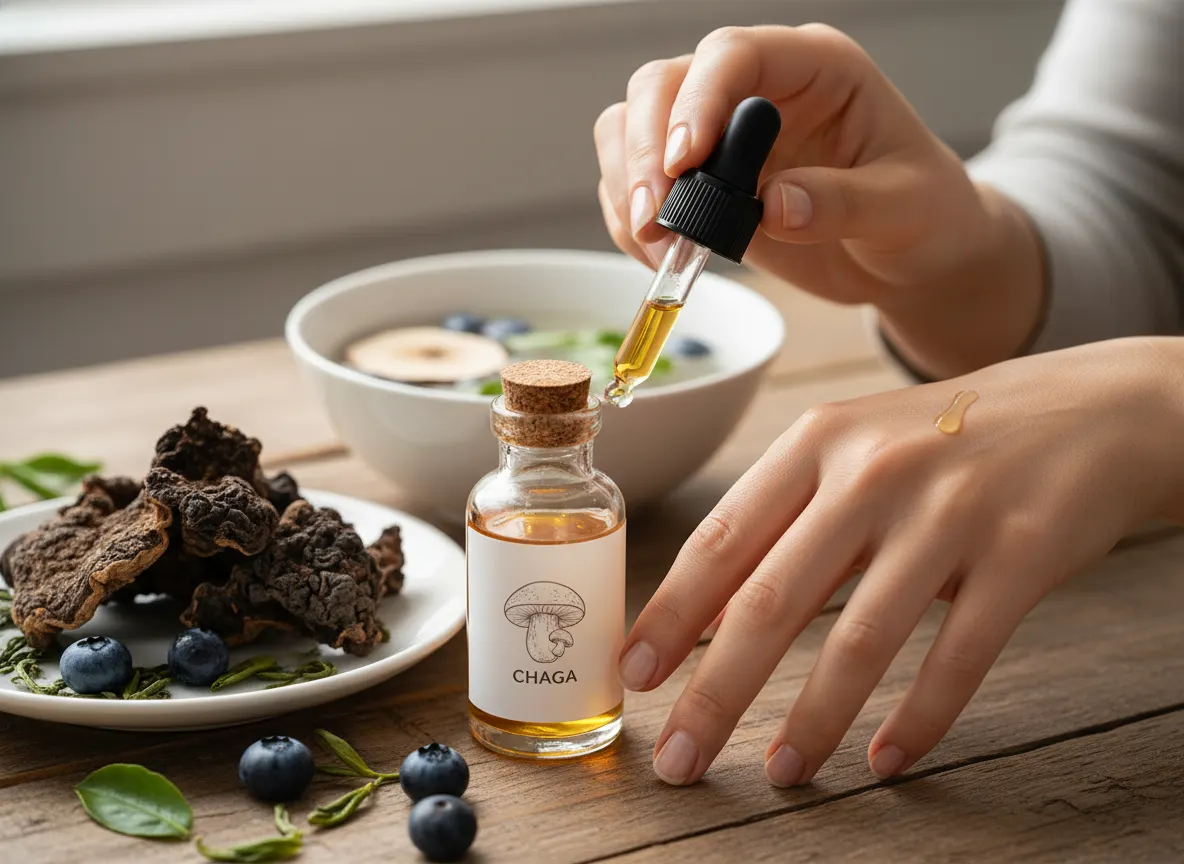
The fruiting body — cap and stem — holds the active compounds.
That's where lion's mane, reishi, and chaga do their work. Mycelium is the root system. When it's grown on grain (the industry standard), you're buying oat filler with trace mushroom content.
Wonder Coffee uses 8:1 fruiting body extracts — eight pounds of mushroom reduced to one pound of concentrated powder. Most brands skip this step entirely. The label might say "mushroom powder," but the COA (certificate of analysis) tells the real story.
 2
2
Clinical Doses You Can Actually Verify
Most brands use decoration doses — 200mg per serving.
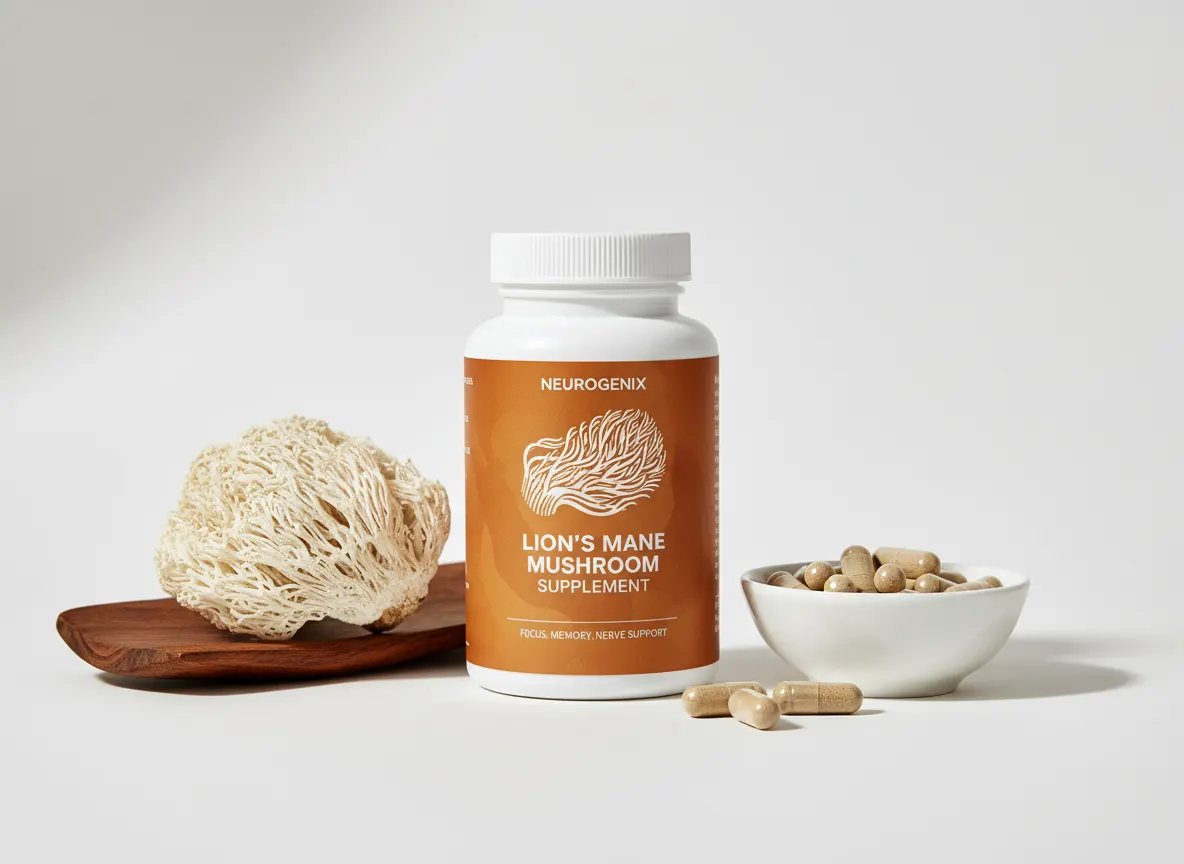
The studies showing cognitive benefit use 1,000mg+ of lion's mane per day. Wonder Coffee delivers 1,200mg lion's mane, 840mg reishi, 840mg chaga — over 3,000mg total per serving.
The doses aren't arbitrary. They match the ranges used in peer-reviewed studies, and the brand links the research on the product page. If a competitor won't tell you the dose breakdown, assume it's because the numbers don't support the claim.
 3
3
60mg Caffeine Stops the Jitter Cycle
Regular coffee delivers 95–200mg of caffeine — enough to trigger shaky hands and a racing heart. Wonder Coffee cuts it to 60mg — enough to wake you up, not enough to make your hands vibrate during a video call.
 4
4
L-Theanine Smooths Out the Stimulant Edge
Caffeine alone is a gas pedal with no brake.
L-theanine — an amino acid from green tea — is the counterbalance. It doesn't reduce caffeine; it blunts the cortisol spike that causes anxiety and the two-hour crash.
Wonder Coffee includes 120mg of l-theanine per serving. The ratio (60mg caffeine to 120mg l-theanine) is the same one used in focus studies. You get alert without getting wired.
 5
5
Your Stomach Stops Cramping After the First Cup
Acidic coffee triggers bloating, cramping, nausea.
The reishi and chaga extracts calm the gut lining — the same irritation that makes black coffee feel like sandpaper going down. People switching from regular coffee report stomach issues disappear within the first week.
6
You Stop Needing a Second Cup by 11am
The extracts don't spike. They modulate energy over hours, not minutes. Users report the same pattern: one cup in the morning, then no need for coffee again until the next day. No mid-morning refill. No afternoon slump.
 7
7
Third-Party Testing Means Someone Checked the Label
Most brands grade their own homework.
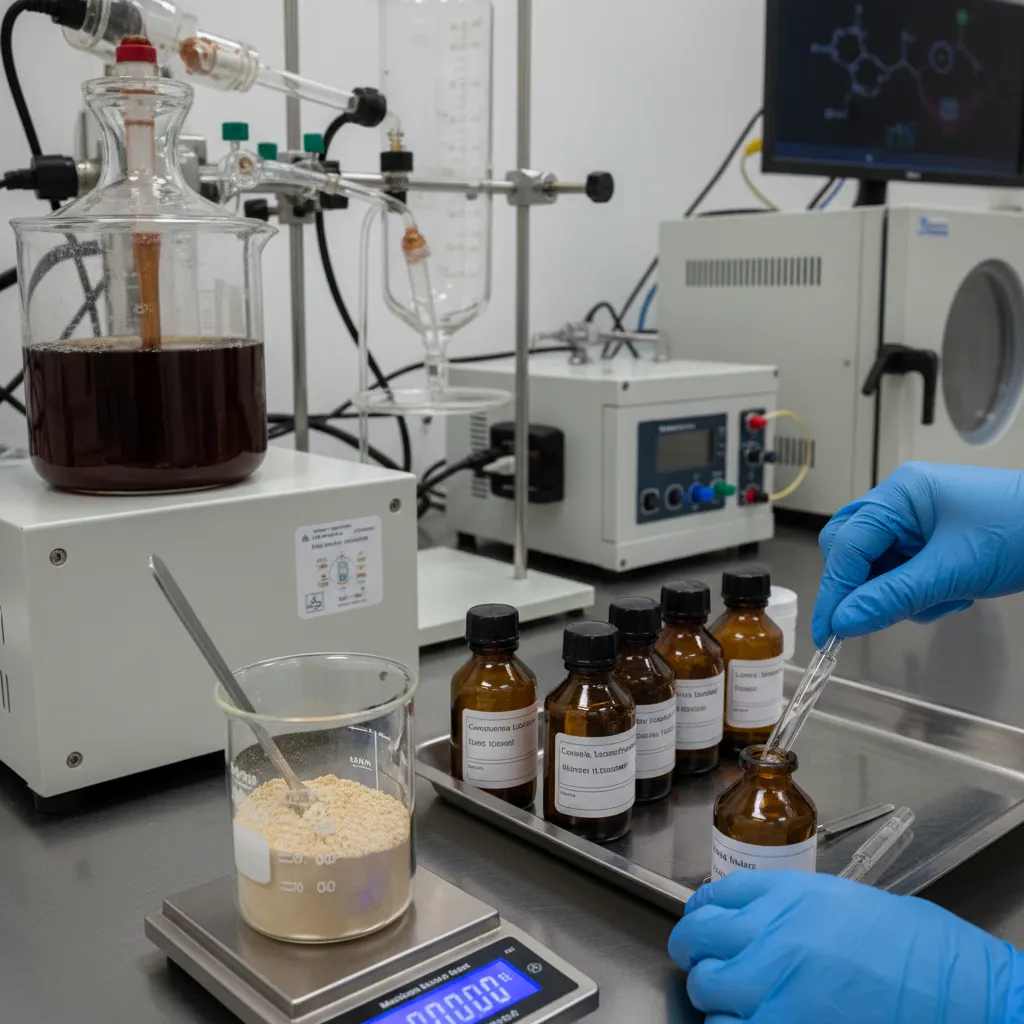
Wonder Coffee sends every batch to Eurofins — an independent lab that verifies mushroom extract content, checks for heavy metals, and confirms no filler or contaminants. The COA is public. If a brand won't show third-party results, assume the label is aspirational.
 8
8
Two Options: Grass-Fed Collagen or Vegan Tremella
The starter pack includes both formulas.
The collagen version adds grass-fed peptides for skin and joint support. The vegan version uses tremella mushroom and MCT oil — same energy profile, plant-based. Most brands force you to pick one. Wonder Coffee lets you try both.
9
88.9% Reported Real Improvements in the First Month
After 30 days, 88.9% reported measurable improvement in focus, energy, mood, or health. 81.1% specifically gained focus, energy, or mood. The results were consistent.
Try Wonder Coffee Risk-Free
What People Notice After Switching
The most common feedback from first-time buyers: the jitters disappear, the stomach issues calm down, and they stop reaching for a second cup by mid-morning. These patterns showed up across hundreds of reviews — here's what stood out.
What's in the Starter Pack

Common Questions from First-Time Buyers
Most questions from newcomers fall into three buckets: how it tastes, whether the mushroom extracts are real, and how long it takes to feel a difference. Here's what people ask before their first order.