The hidden reason most mushroom coffee doesn't work (and the extraction method that finally does)
8:1 fruiting body extracts deliver the beta-glucans and active compounds your body actually recognizes — mycelium and grain filler don't.

You've probably heard about mushroom coffee by now. The pitch is everywhere — calm focus, no crash, adaptogenic benefits stacked into your morning routine.
Maybe you tried Ryze. Or Everyday Dose. You hoped for sharp mental clarity and sustained energy without the jitters. What you got was something that tasted like soil and didn't feel much different from regular coffee — or worse, didn't feel like much at all.
The problem isn't the category. It's what most brands are putting in the bag.
Most mushroom coffee fails because of what's actually in it

Most mushroom coffee brands cut corners with cheap mycelium — the root structure of the mushroom — or grain fillers that pad the blend without delivering real functional compounds. The extracts are weak, under-dosed, or both. You're paying for marketing and packaging, not for the beta-glucans and active ingredients your body needs to feel a difference.
And then there's the taste. Mushroom coffee that actually tastes like mushrooms isn't something you want to drink every morning.
So here's what this piece delivers: the extraction science that separates functional mushroom coffee from weak blends, the dosage benchmarks worth looking for when you're comparing products, and why Wonder Coffee's 8:1 fruiting body extraction method gets it right. Two things to understand first — what concentration ratios actually mean, and why fruiting bodies matter more than mycelium.
8:1 fruiting body extraction is the category criterion most brands hope you never learn
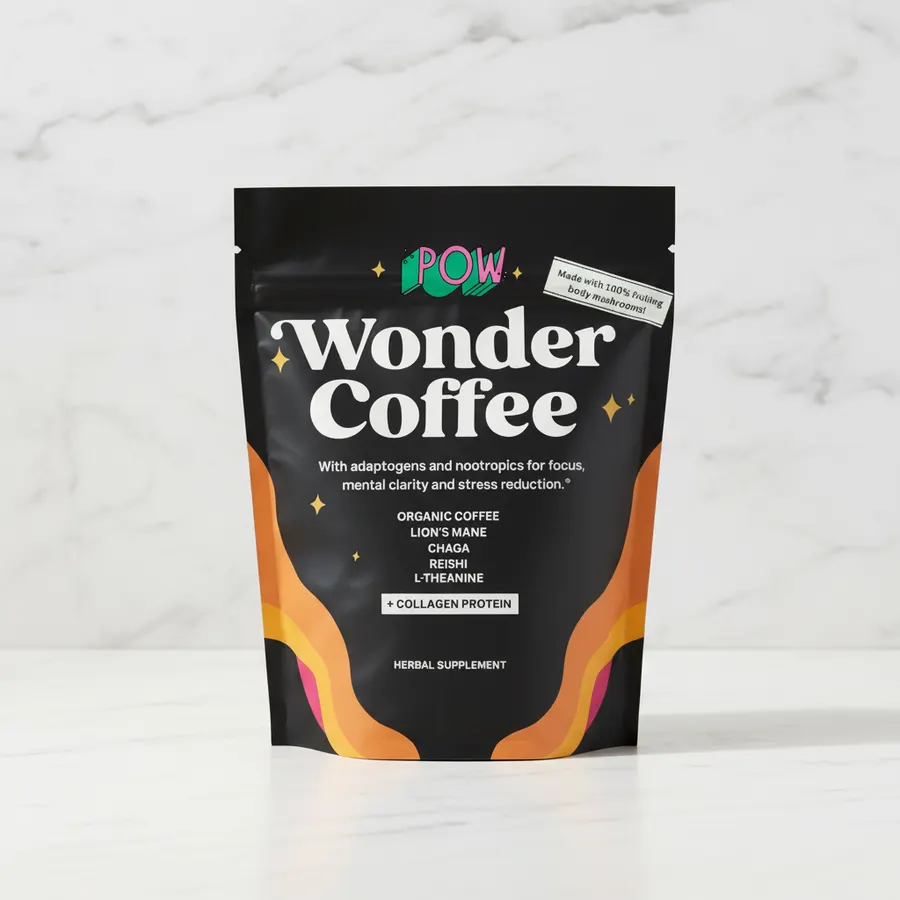
An 8:1 extract ratio means eight pounds of mushroom material are concentrated down to one pound of extract. The process isolates and concentrates the active compounds — primarily beta-glucans — that deliver cognitive and energy effects. Fruiting bodies are the actual mushroom caps you'd recognize. Mycelium is the root network, often grown on grain, and it carries far fewer active compounds.
Most mushroom coffee brands use mycelium because it's cheaper and faster to produce. The problem: mycelium-based extracts are diluted with grain starch and deliver a fraction of the beta-glucan content. You're drinking filler.
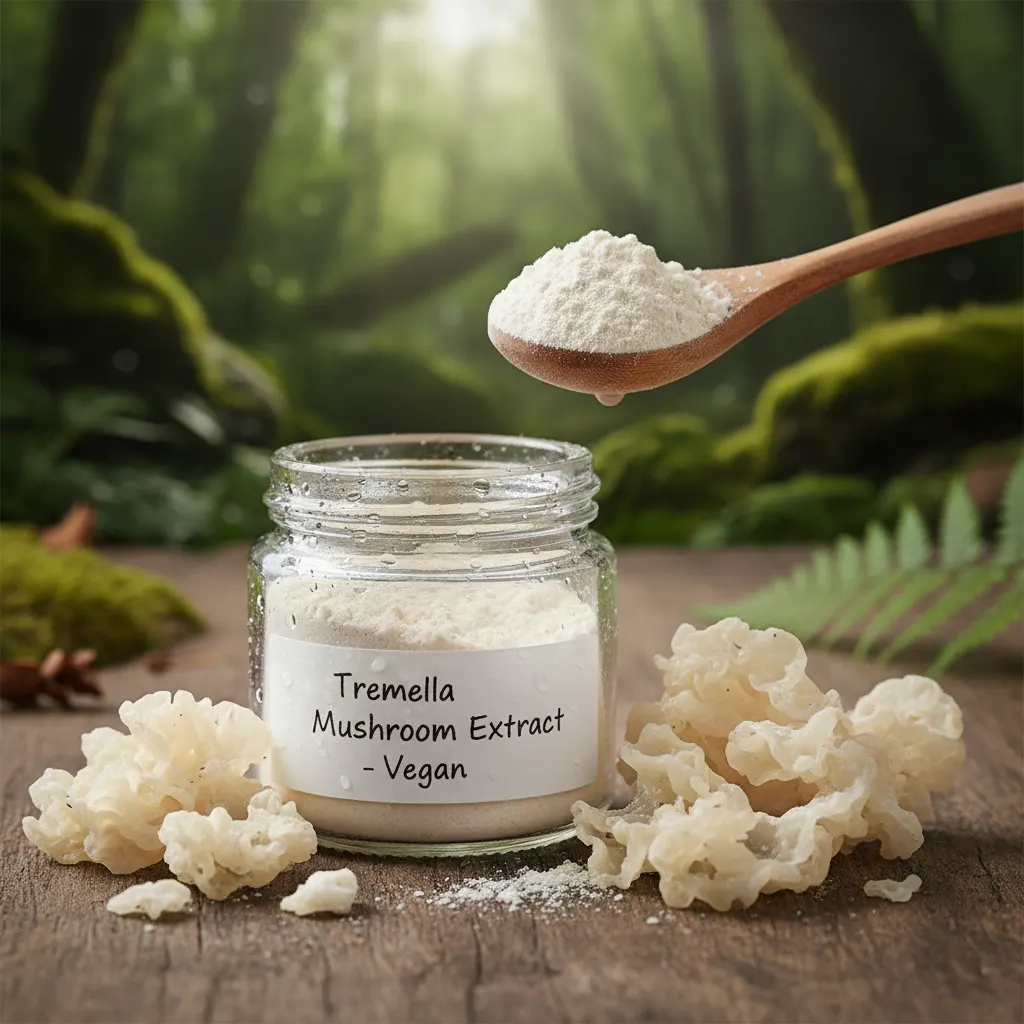
Fruiting body extracts at 8:1 concentration deliver measurably higher levels of the compounds researchers study in clinical trials — the polysaccharides linked to immune support, the triterpenes in Reishi associated with stress resilience, the hericenones and erinacines in Lion's Mane connected to nerve growth factor support. These aren't vague wellness promises. They're the mechanisms peer-reviewed studies examine.
The L-theanine component amplifies this by smoothing caffeine's activation curve. Caffeine alone spikes cortisol and adrenaline fast, which is why regular coffee often delivers jitters before it delivers focus. L-theanine modulates that response — you get alert clarity without the anxiety edge. Clinical dosing starts around 100-200mg of L-theanine per serving when paired with caffeine. Most mushroom coffees either skip it or under-dose it.
When you're comparing mushroom coffee brands, ask two questions: is the extract from fruiting bodies or mycelium? And what's the concentration ratio? If a brand doesn't answer both clearly on the label, assume mycelium and weak extraction. An 8:1 fruiting body extract isn't a nice-to-have. It's the baseline for a product that works.
What 8:1 fruiting body extraction actually delivers
The six ingredients doing the work

Why Wonder Coffee works when weak blends don't
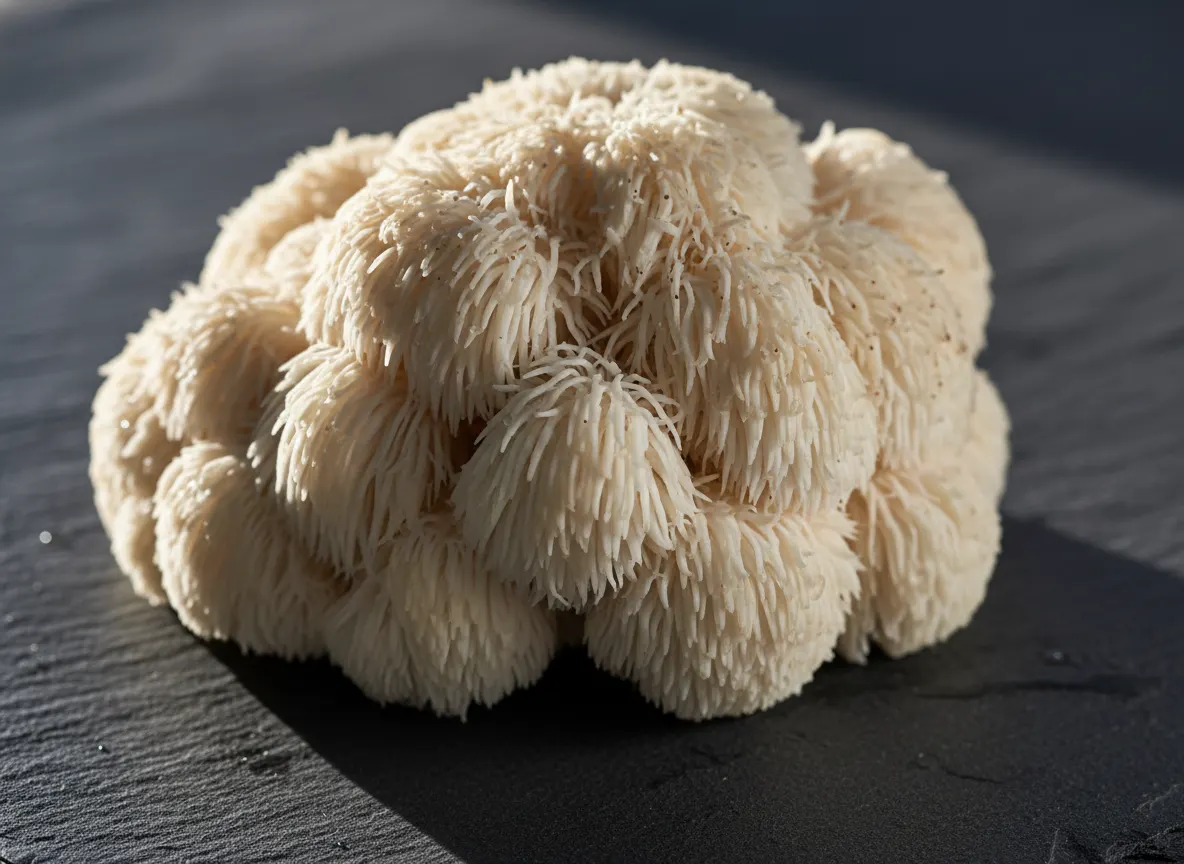
8:1 fruiting body extract hits clinical doses in one scoop
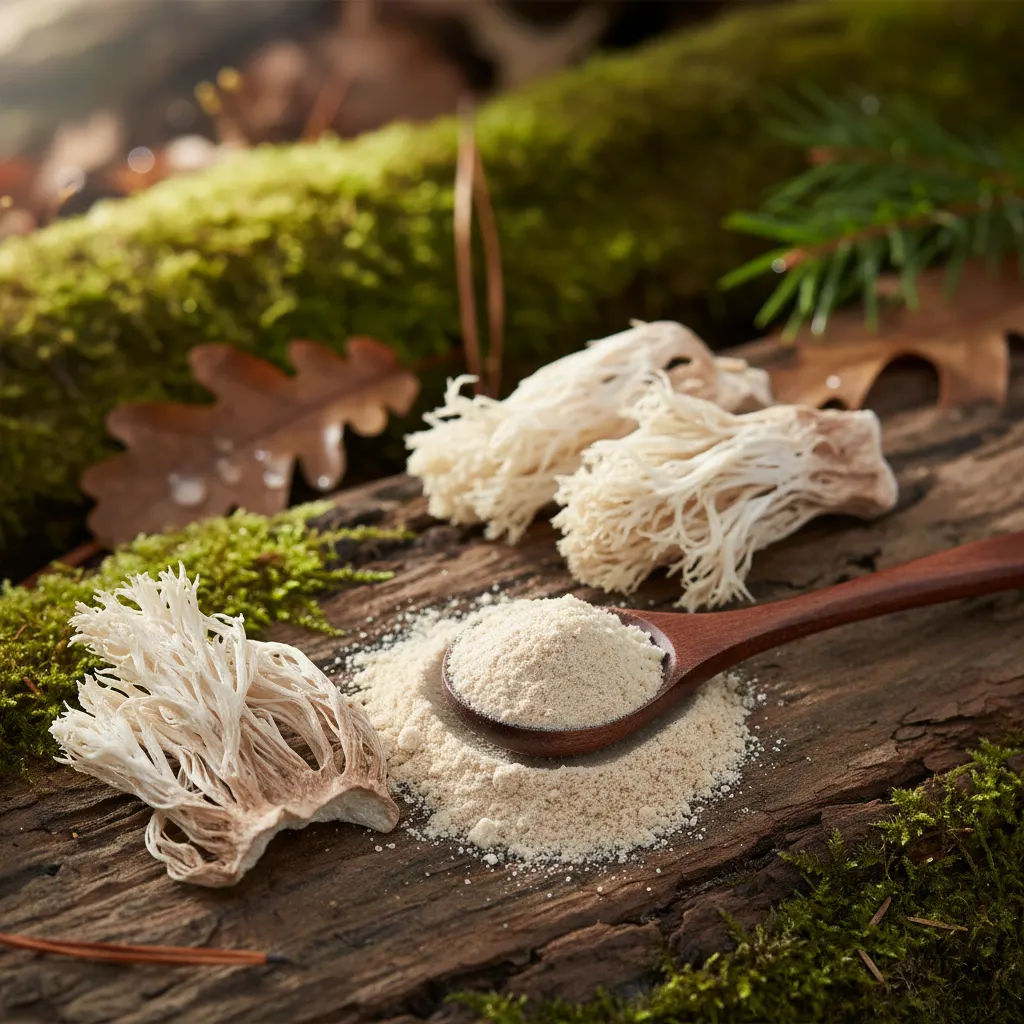
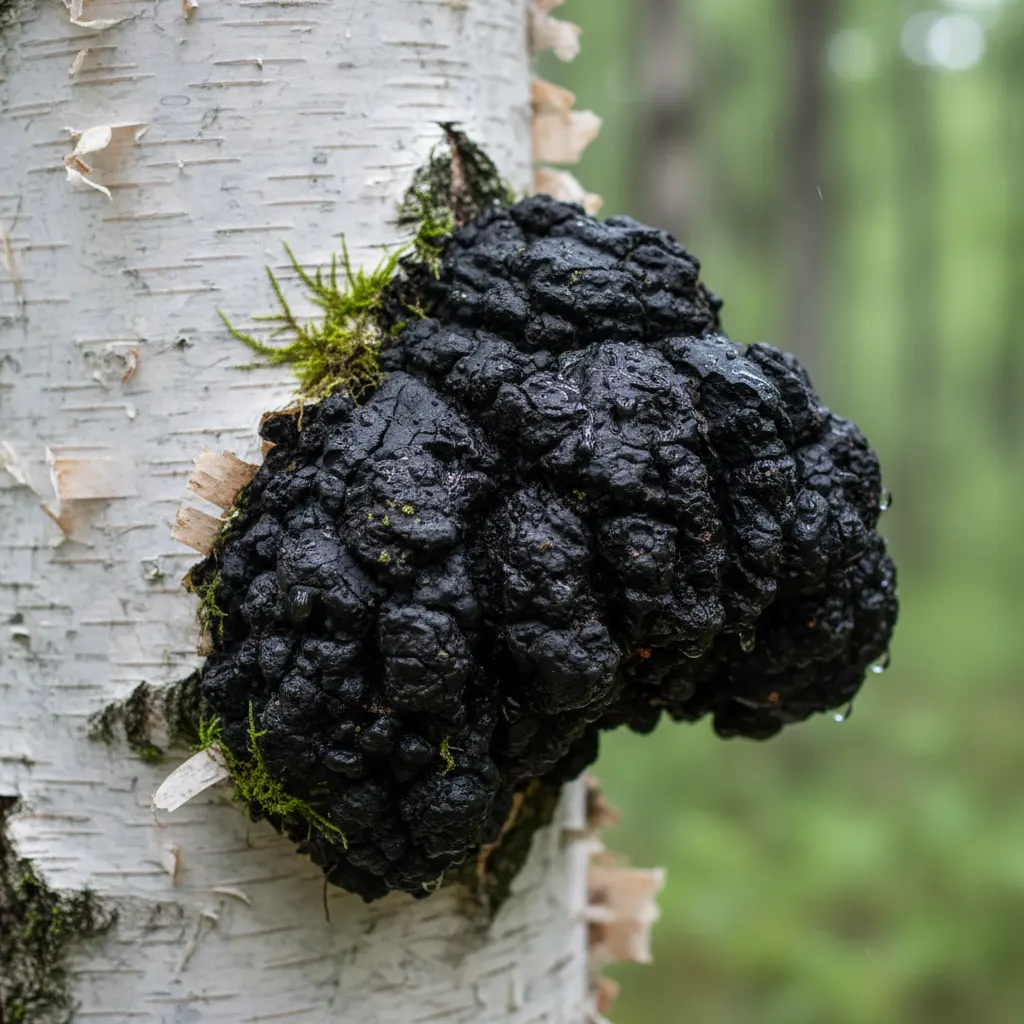
Most mushroom coffees use mycelium-on-grain filler, which is mostly the grain. Wonder uses 8:1 fruiting body extract—meaning eight pounds of raw mushroom concentrate into one pound of finished powder—delivering 360mg of Lion's Mane 8:1 extract (equivalent to 2880mg of 1:1 powder) plus 840mg each of Reishi and Chaga per serving.
That's 3000mg+ of actual mushroom actives, the range peer-reviewed studies use when they measure cognitive sharpness and sustained energy. Token amounts don't move the needle; clinical doses do.

L-theanine extends caffeine into a smooth, sustained curve
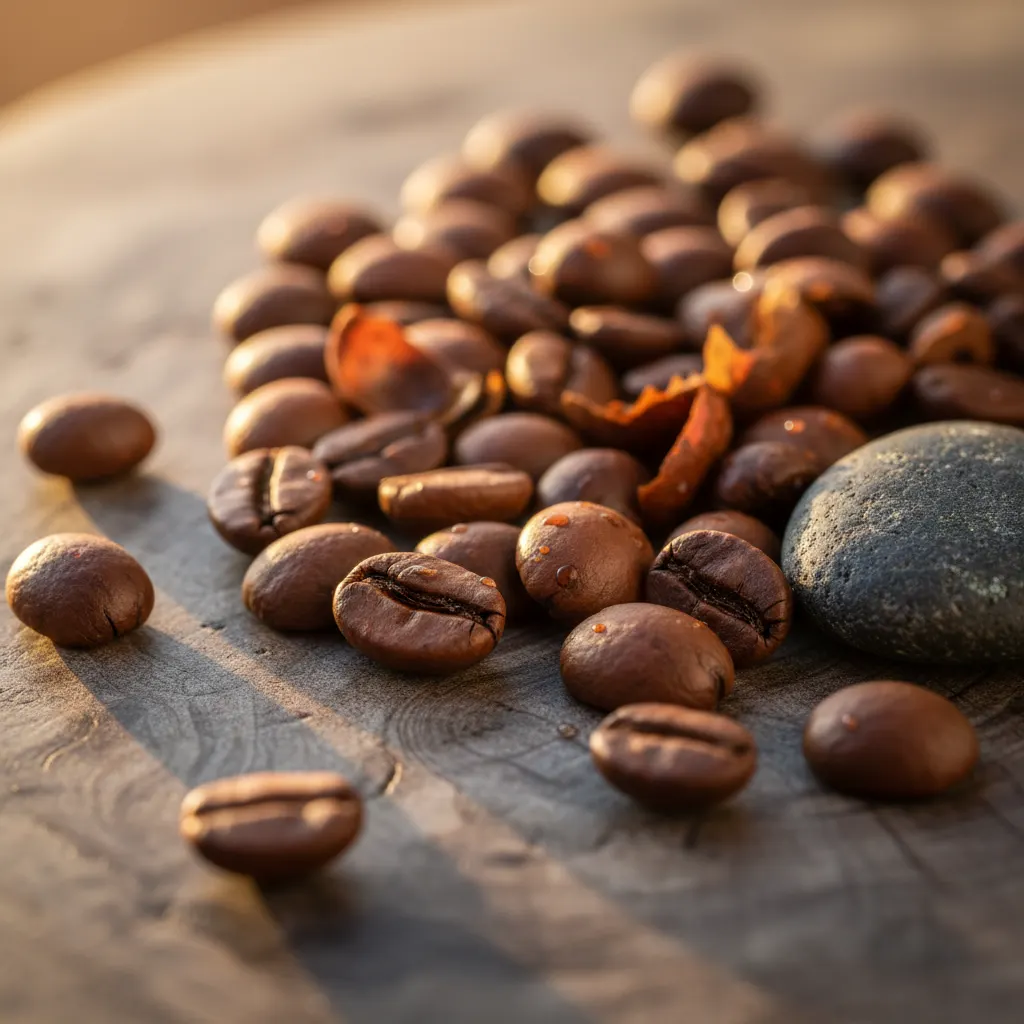
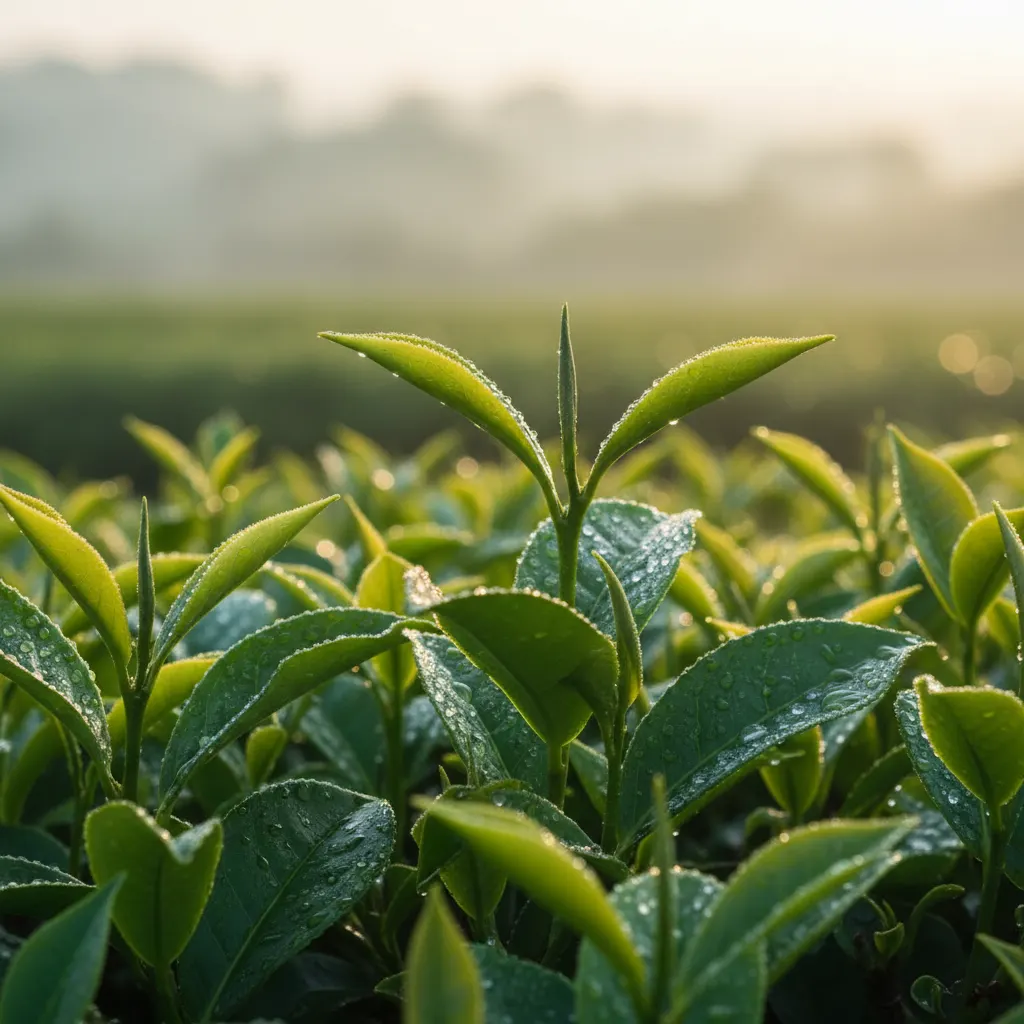
Coffee alone spikes fast and crashes hard because caffeine hits your system all at once. Wonder pairs 60mg of organic coffee with 120mg of L-theanine, which stretches the energy into a flatter, longer arc and adds the calm-focus quality users describe as "clean alertness."
This is the ingredient pairing that kills the 2pm slump and the 3pm anxiety without adding more stimulants to your day.
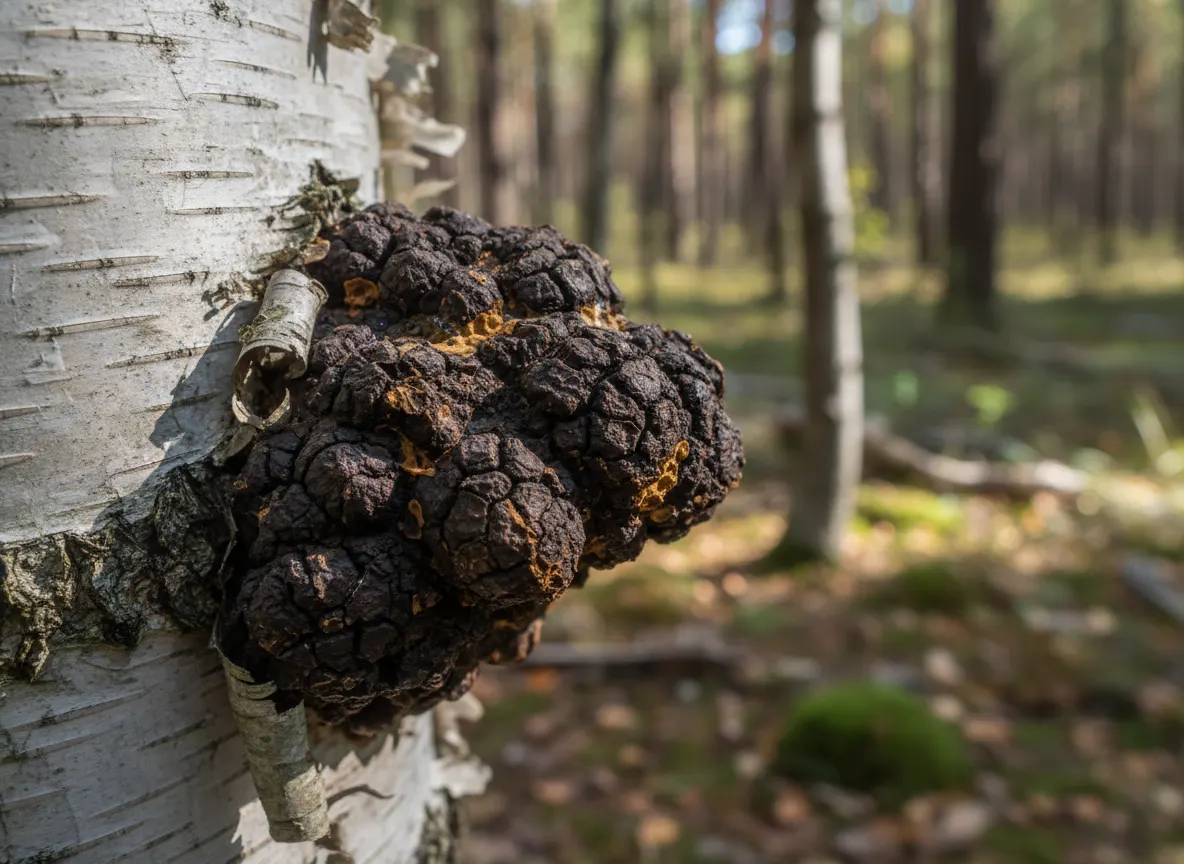
Reishi and Chaga calm the nervous system while you focus
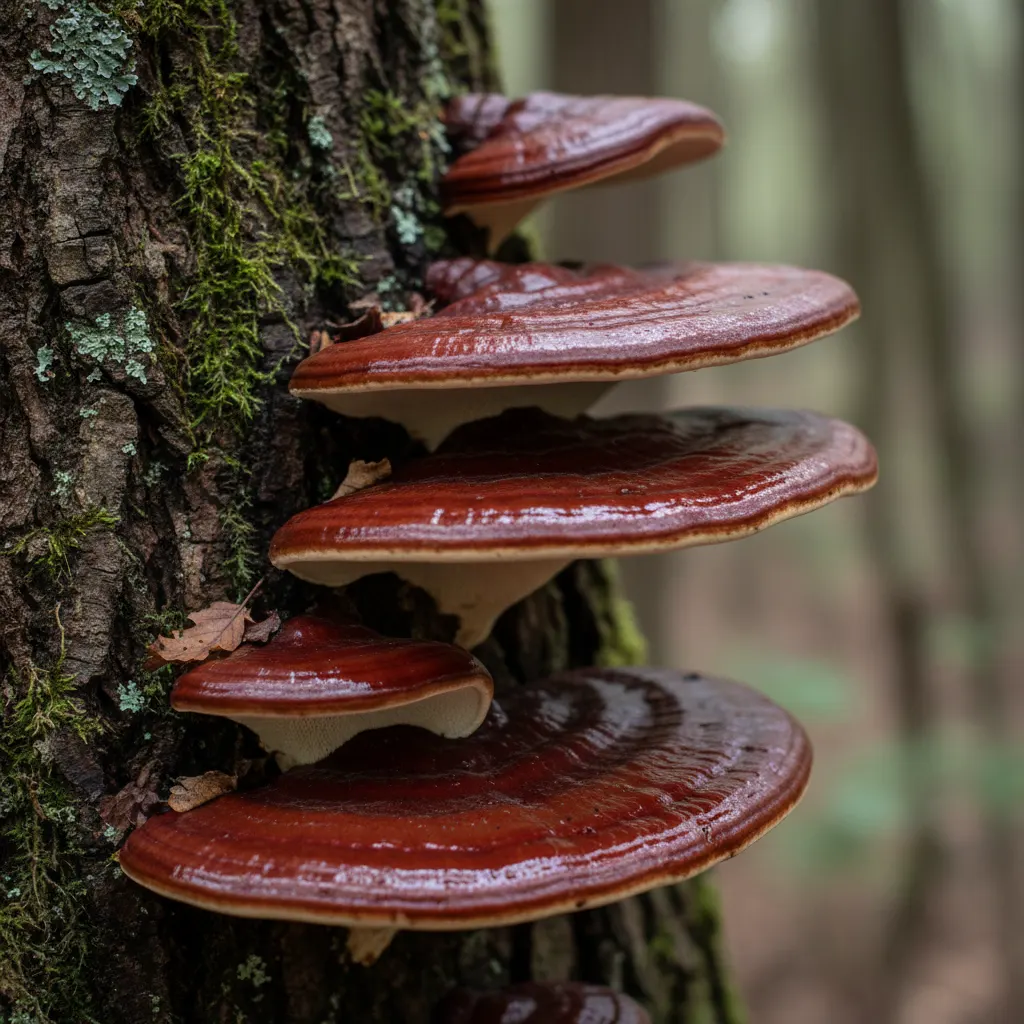
Caffeine triggers alertness, but it can leave you wired if nothing is tempering the nervous system response. Wonder includes 840mg each of Reishi and Chaga extract—adaptogenic mushrooms that work on the stress response itself, dampening anxiety and the jittery edge that makes regular coffee feel unsafe.
The result is sharp focus without the racing heartbeat or mental chatter that derails your morning.
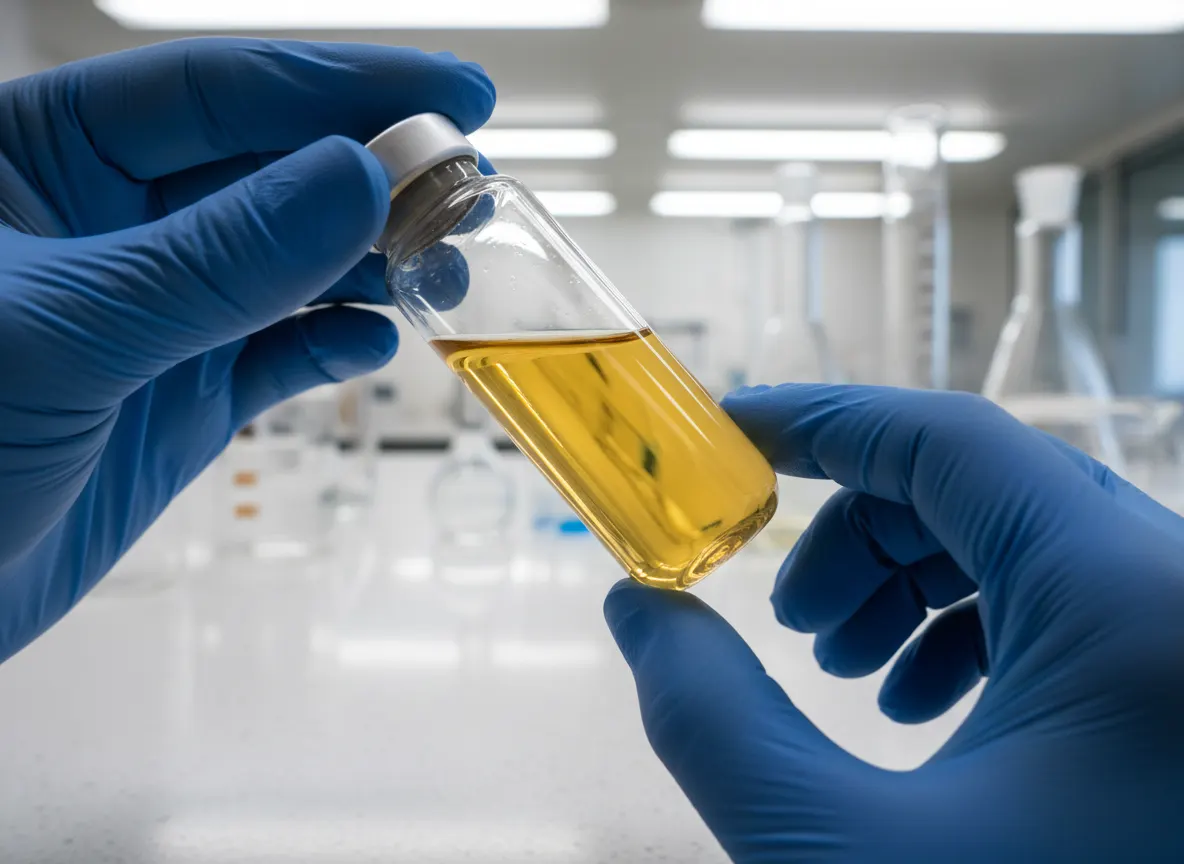
Eurofins testing proves what's actually in the cup
Every batch goes through Eurofins for heavy metals, pesticides, and potency verification. You're not taking the brand's word for purity or dose; you can verify the lab work yourself.
Competitors selling cheaper products usually skip this step because third-party testing is expensive and exposes gaps. Wonder does it anyway—because clean energy starts with clean ingredients.

60-day guarantee matches the adaptation timeline, not marketing hype
Adaptogenic mushrooms don't work like caffeine. They compound over weeks as your nervous system recalibrates and your baseline energy steadies—a shift you'll notice around week two or three, with deeper resilience by week six.
A 30-day guarantee expires right when the real benefits arrive. Wonder guarantees 60 days because that's how long it actually takes to feel the difference between scattered energy and sustained clarity.
What health-conscious professionals are reporting
What to expect in your first month
How Wonder Coffee compares to Ryze, Everyday Dose, and generic mushroom blends
- Mycelium grown on grain — you're mostly eating the filler, not the mushroom itself
- 1:1 extraction ratio means minimal concentration; requires 10x more volume for real effect
- Grain residue adds bulk without function, diluting the actual mushroom benefit
- No third-party testing published — impossible to verify what's actually in the cup
- Tastes earthy or chalky because weak extracts need masking with flavoring agents
- Underdosed mushrooms (under 1,500mg total) fall below clinically studied ranges
- 8:1 fruiting body extract — the bioactive part of the mushroom, concentrated 8 times over
- 3,000mg+ of mushroom extract per serving matches peer-reviewed clinical study dosages
- Zero grain filler, zero mycelium padding — just six hero ingredients that work
- Eurofins third-party tested for purity, potency, and heavy metals — results published
- Tastes like clean coffee because real ingredients need no disguise or synthetic flavors
- 88.9% of customers reported measurable improvement in focus, energy, or mood within weeks
Questions you're already asking