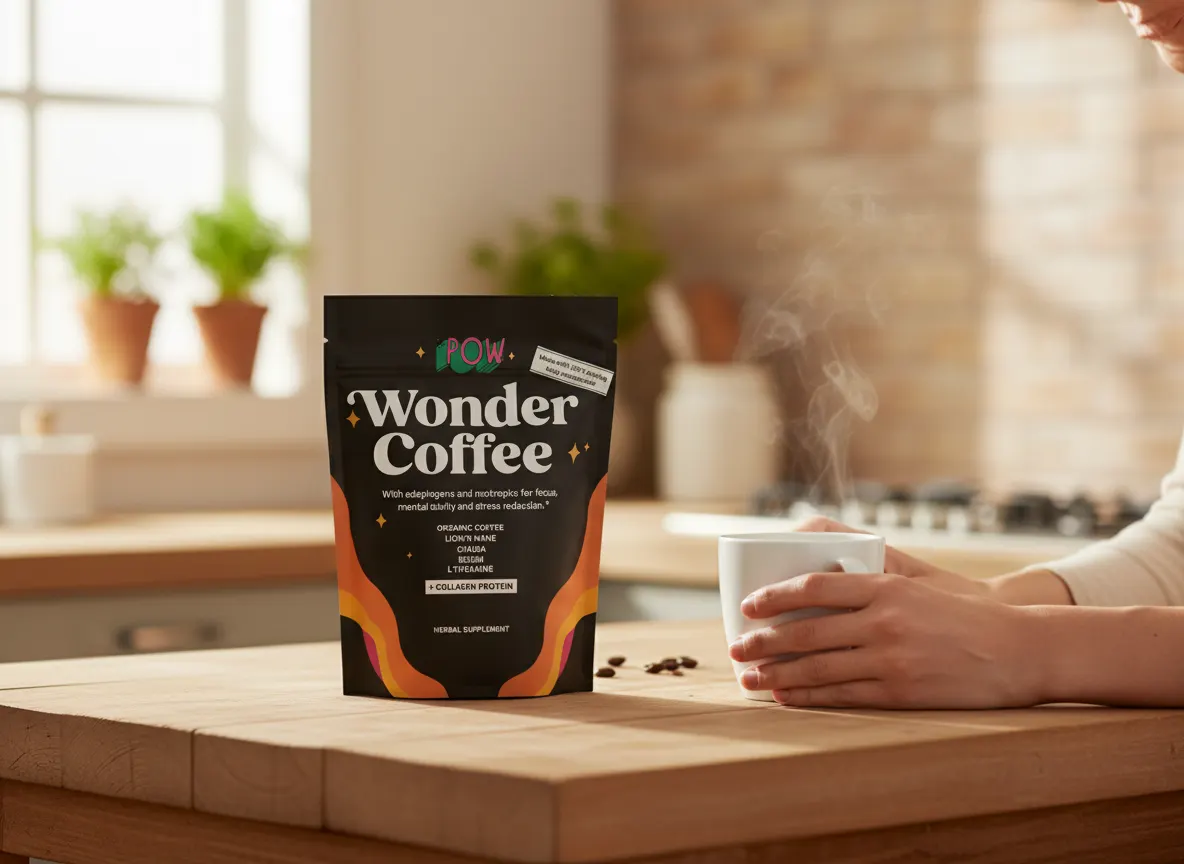
Your Third Cup By 11am, Still Foggy By Noon, Crashing By 3pm
You're doing everything right — starting early, powering through, showing up for everyone. So why does your energy feel like it's working against you?

It's 10:47am. You've already finished two cups of coffee. The first one got you upright and moving — school lunches packed, kids out the door, laptop open before the first meeting. The second one was supposed to carry you through the morning emails, but twenty minutes later you're reaching for the pot again because the focus never actually arrived. Just the jitters.
By noon you're wired but scattered. Toggling between browser tabs, rereading the same paragraph three times, half-listening to your coworker because your brain is buzzing but not working. The afternoon meeting at 2pm feels like you're speaking through fog. And by 3pm — right when you need to pick up the kids, start dinner, answer the seventeen texts you've been ignoring — the crash hits. Heavy. Irritable. Exhausted in a way that sleep won't fix.
You're not lazy. You're not doing it wrong. You're running on a fuel source that promises energy but delivers anxiety, promises focus but delivers static, promises all-day stamina but quits on you exactly when you need it most.
Why Most Functional Coffees Miss the Mark
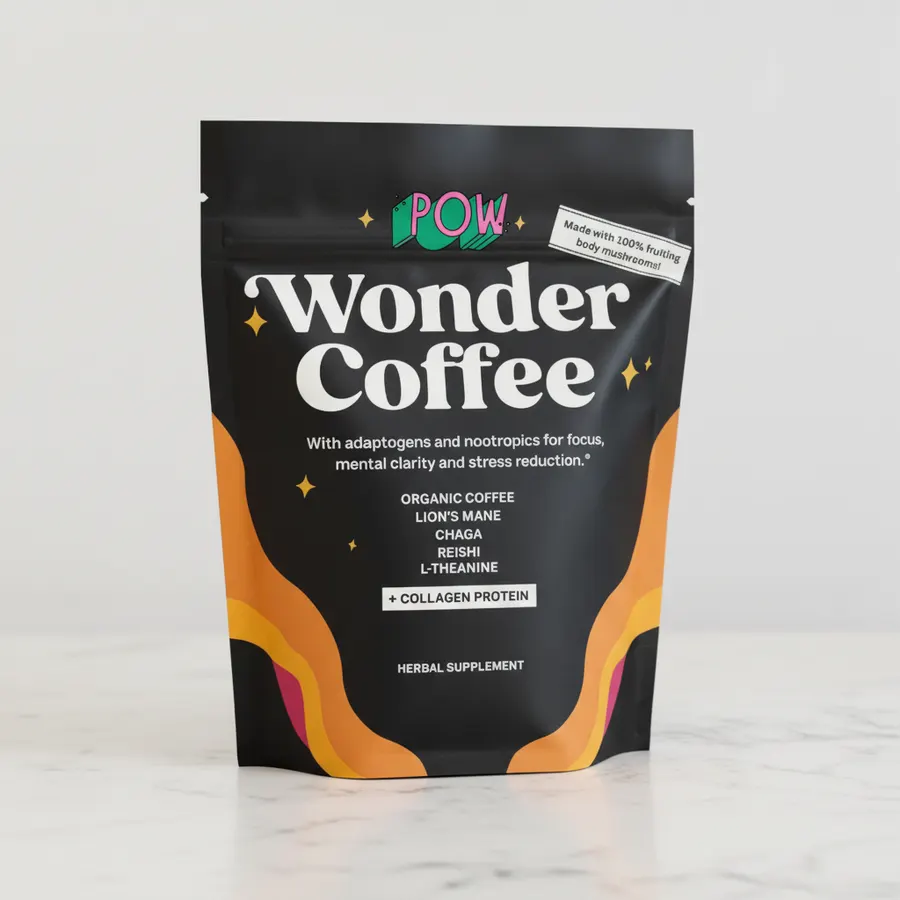
If mushroom coffee exists — if Lion's Mane and Reishi are supposed to smooth out caffeine and deliver real sustained energy — why isn't it working? You've tried the instagram brands. You've read the labels. They all say "functional mushrooms," "adaptogenic blend," "clinically-studied ingredients." But the experience is the same: tastes fine, feels like regular coffee, maybe slightly less jittery, definitely not the focus-without-crash transformation the reviews promised.
Here's what most brands don't tell you: the mushroom powder in their blend isn't the mushroom at all. It's mycelium — the root structure that grows underground, mostly made of the grain it's grown on. It's cheaper to produce, easier to scale, and 90% filler. The bioactive compounds that actually deliver cognitive benefits — the beta-glucans, the polysaccharides, the medicinal molecules studied in peer-reviewed research — live in the fruiting body. The visible mushroom cap. The part most brands skip entirely.
You're not getting what you paid for. You're getting ground-up roots mixed with oat or rice powder, labeled as "mushroom extract" because technically mycelium is part of the mushroom. It's not fraud. It's just not the part that works.
What 8x Concentrated Fruiting Body Extraction Actually Means
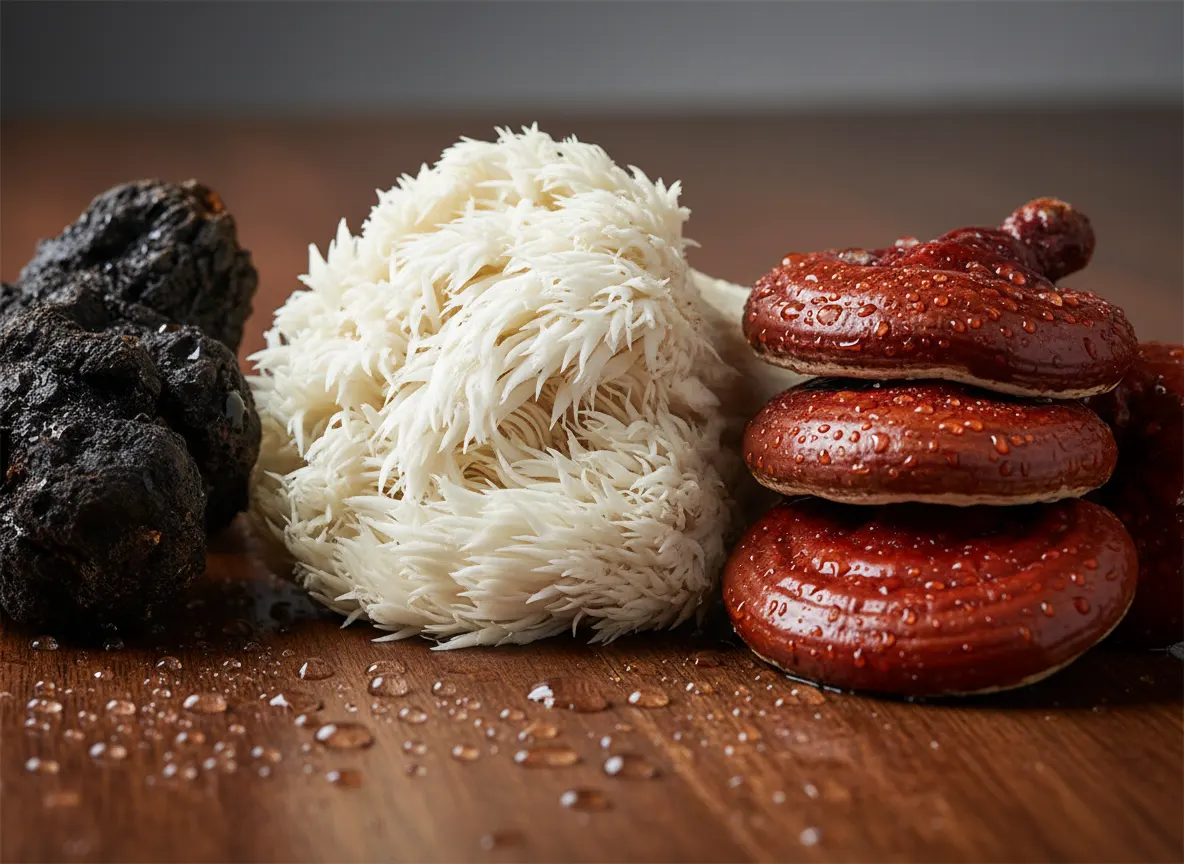
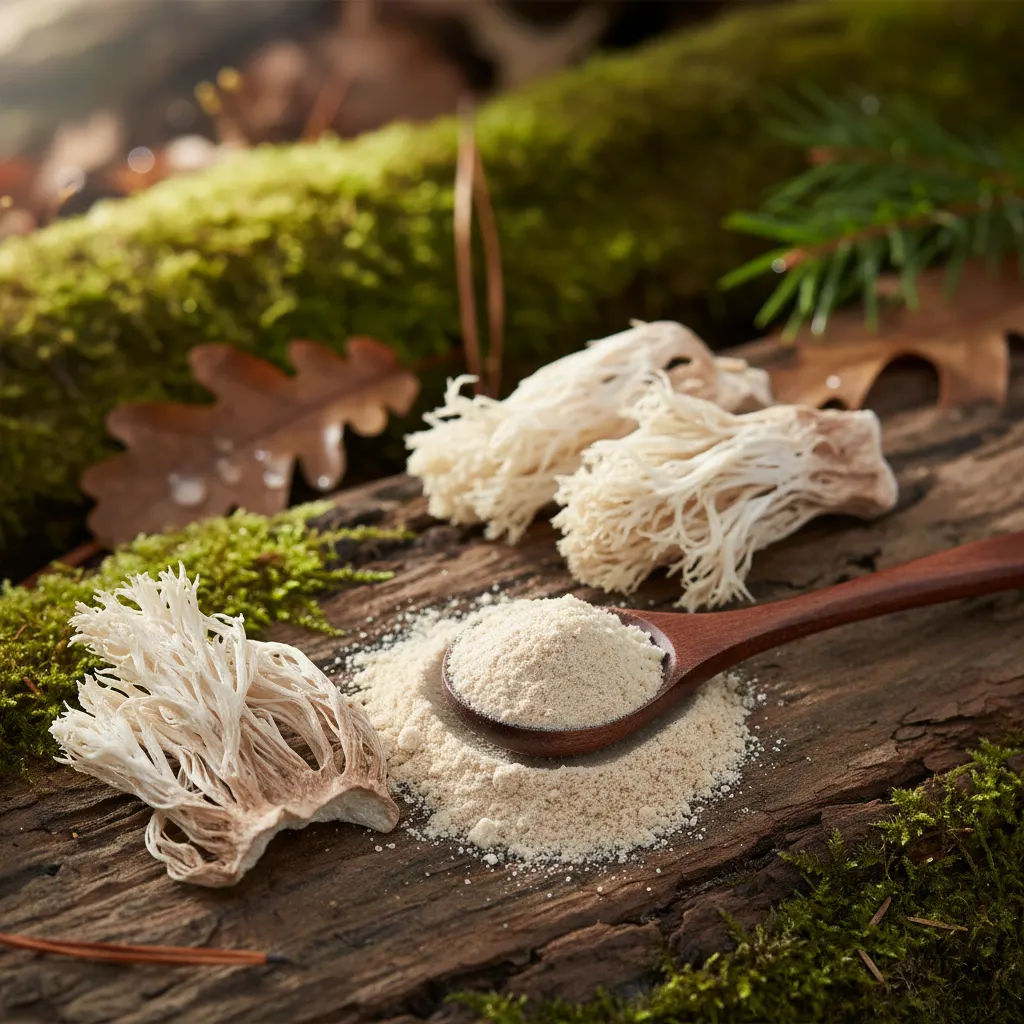
Real functional coffee starts with the fruiting body — the actual mushroom cap where the medicinal compounds concentrate. But whole fruiting bodies are bulky and mild. To get a dose strong enough to feel, you'd need spoonfuls of powder per cup. That's where extraction comes in.
An 8:1 extraction ratio means eight pounds of whole fruiting bodies are concentrated down to one pound of pure extract. The result: 360mg of extract delivers the same bioactive load as 2,880mg of standard 1:1 powder — except it's compact enough to fit in a single-serve packet and potent enough to actually move the needle on focus and sustained energy. The beta-glucans that support neuroplasticity, the polysaccharides that modulate stress response, the triterpenes that calm without sedating — all preserved, all concentrated, all in the part of the mushroom that peer-reviewed studies actually measured.
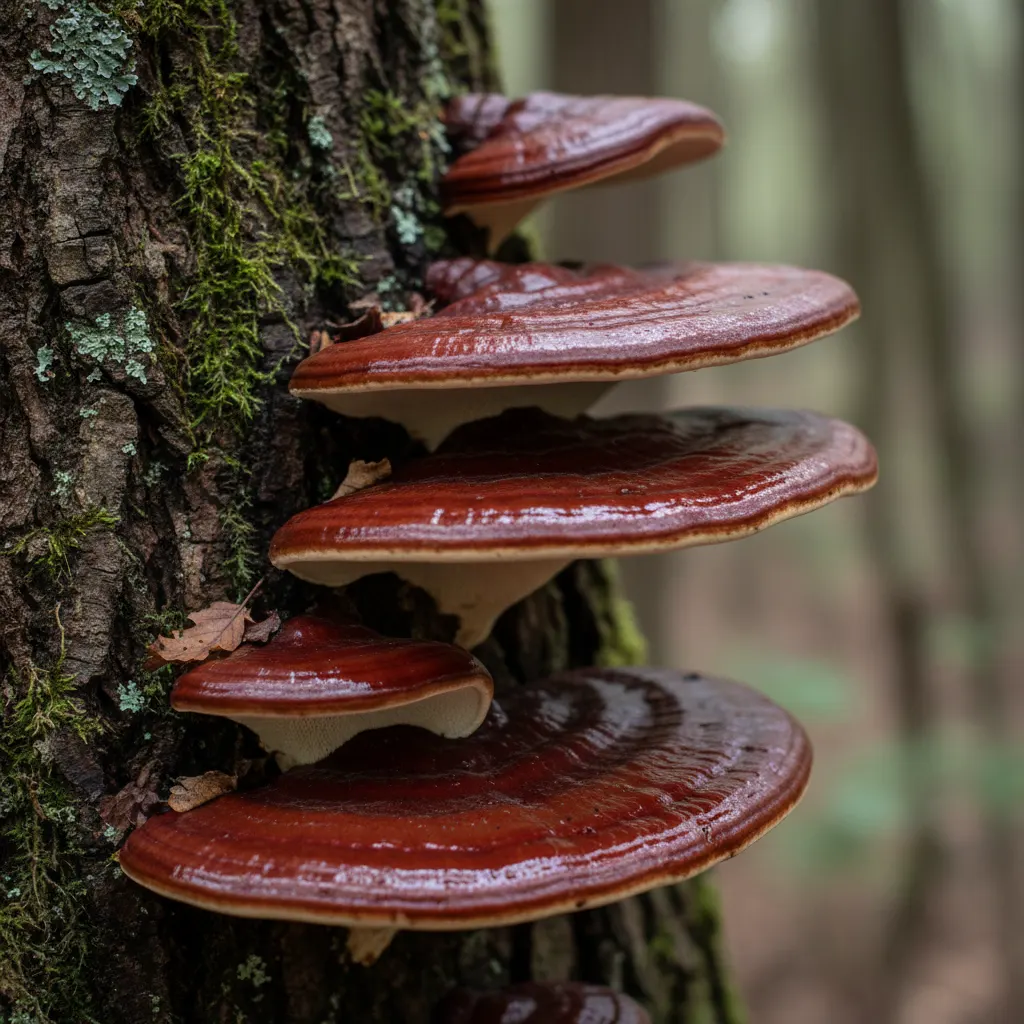
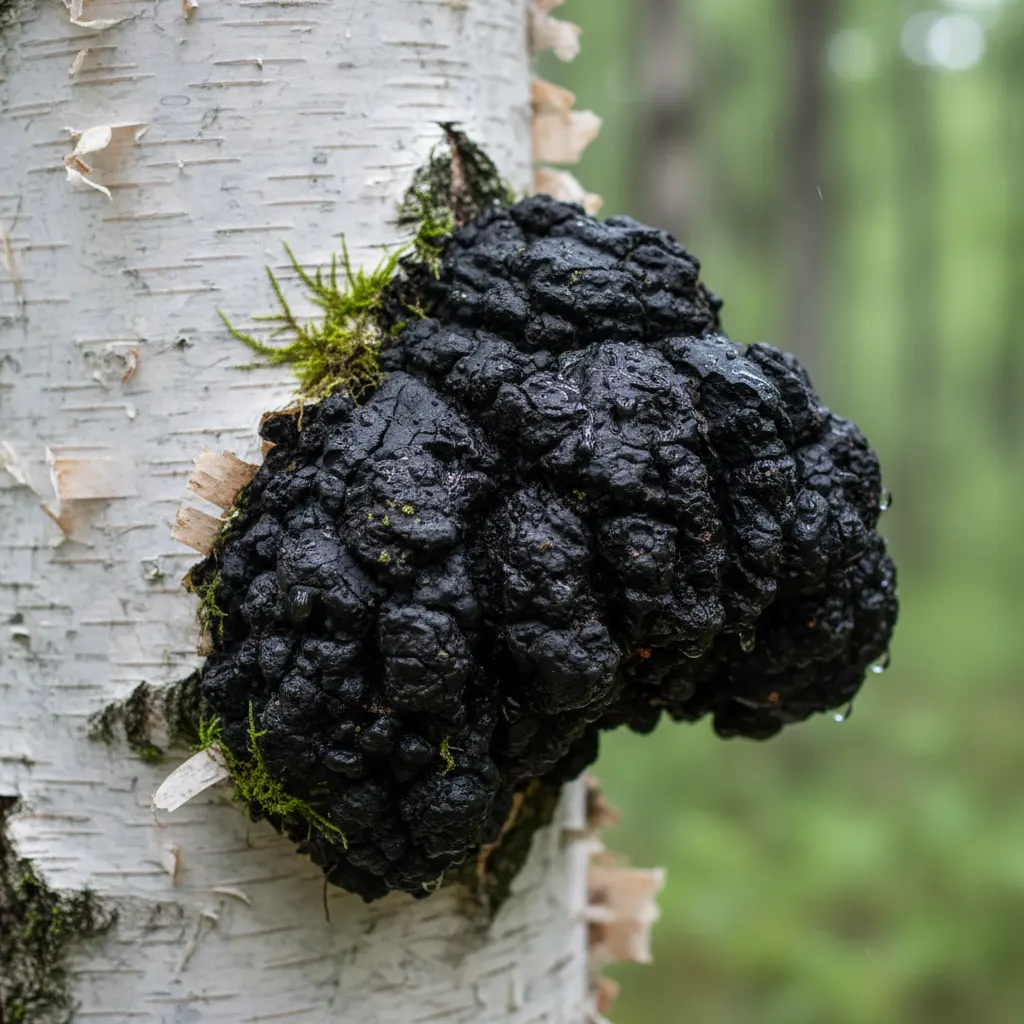
Three extracts do the work here. Lion's Mane for mental clarity — the compound that upregulates nerve growth factor, the reason it shows up in nootropic research. Reishi for calm resilience — the adaptogen that pairs with caffeine to smooth the edge without killing the drive. Chaga for baseline vitality — the mushroom with high ORAC antioxidant scores, dense with immune-supporting polysaccharides. Each one extracted at 8:1 from 100% fruiting bodies. Each one dosed at clinical levels. Each one third-party tested by Eurofins to verify what's on the label is what's in the cup.
What You Get With Every Cup
The Three Extracts Doing The Work
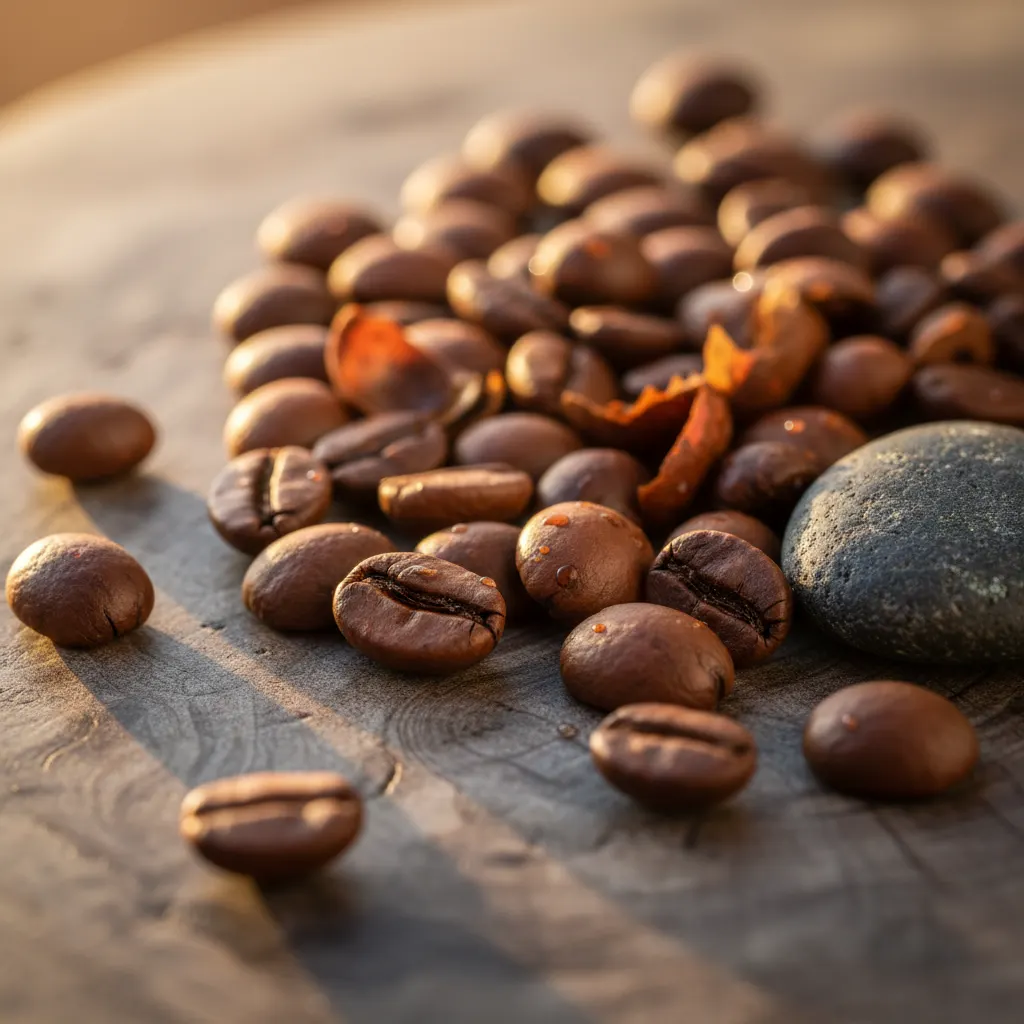

Why Fruiting Body Extraction Changes Everything
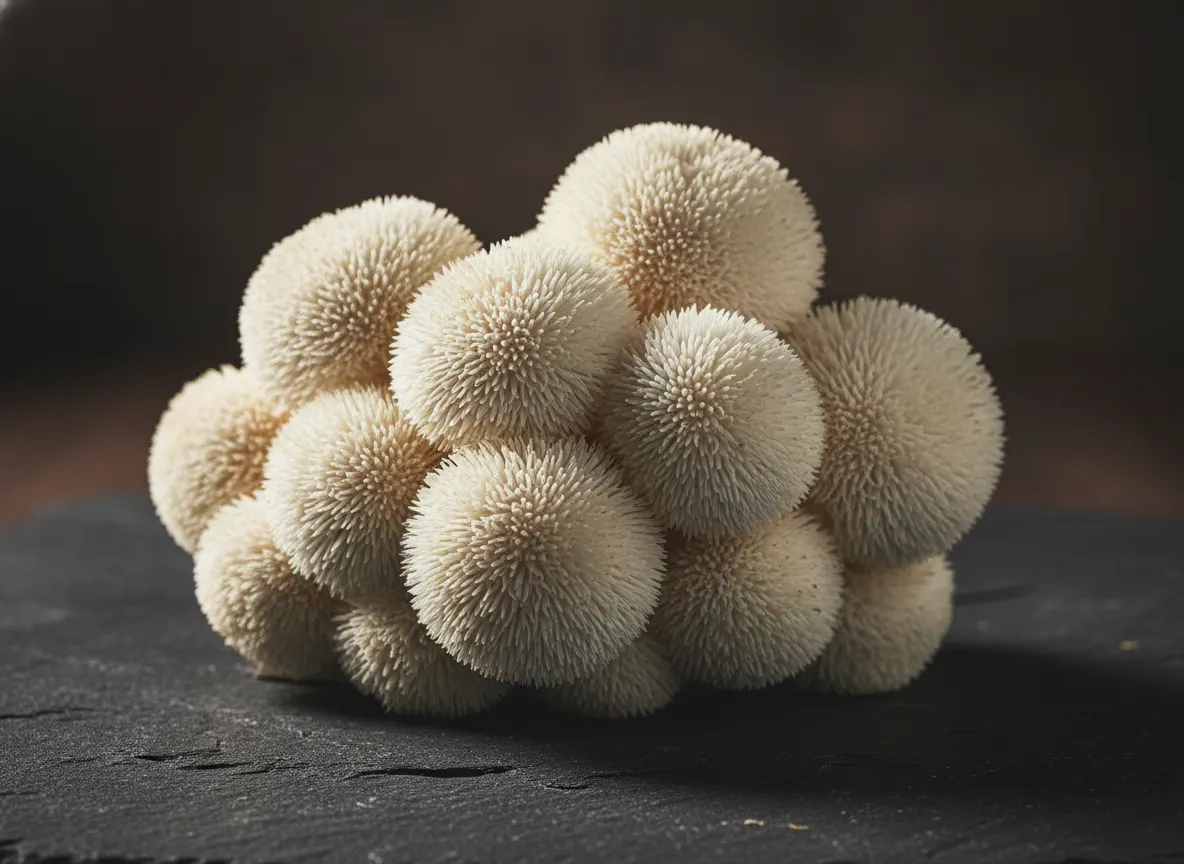
8:1 fruiting body extract concentrates the active compounds
Mycelium-on-grain products are mostly filler. Wonder Coffee uses 8:1 fruiting body extract — eight pounds of raw mushroom concentrated into one pound of finished powder — which means each scoop delivers the beta-glucans, polysaccharides, and bioactive compounds that peer-reviewed research actually measures.
A single serving gives you 2,880mg equivalent of 1:1 powder across Lion's Mane, Reishi, and Chaga. That's the dose range clinical studies use to show cognitive and mood benefits — not the 100-200mg token amounts competitors hide in their blends.

L-theanine transforms caffeine into smooth sustained energy
60mg of caffeine alone would spike fast and crash hard. Wonder Coffee pairs it with 120mg of L-theanine, an amino acid from green tea that extends the energy curve into a flatter, longer plateau and adds the calm-focus quality coffee drinkers describe as "clean."
This synergy is what kills the afternoon slump and the 3pm anxiety without requiring a second cup or a nap. The caffeine lifts; the L-theanine sustains and soothes.
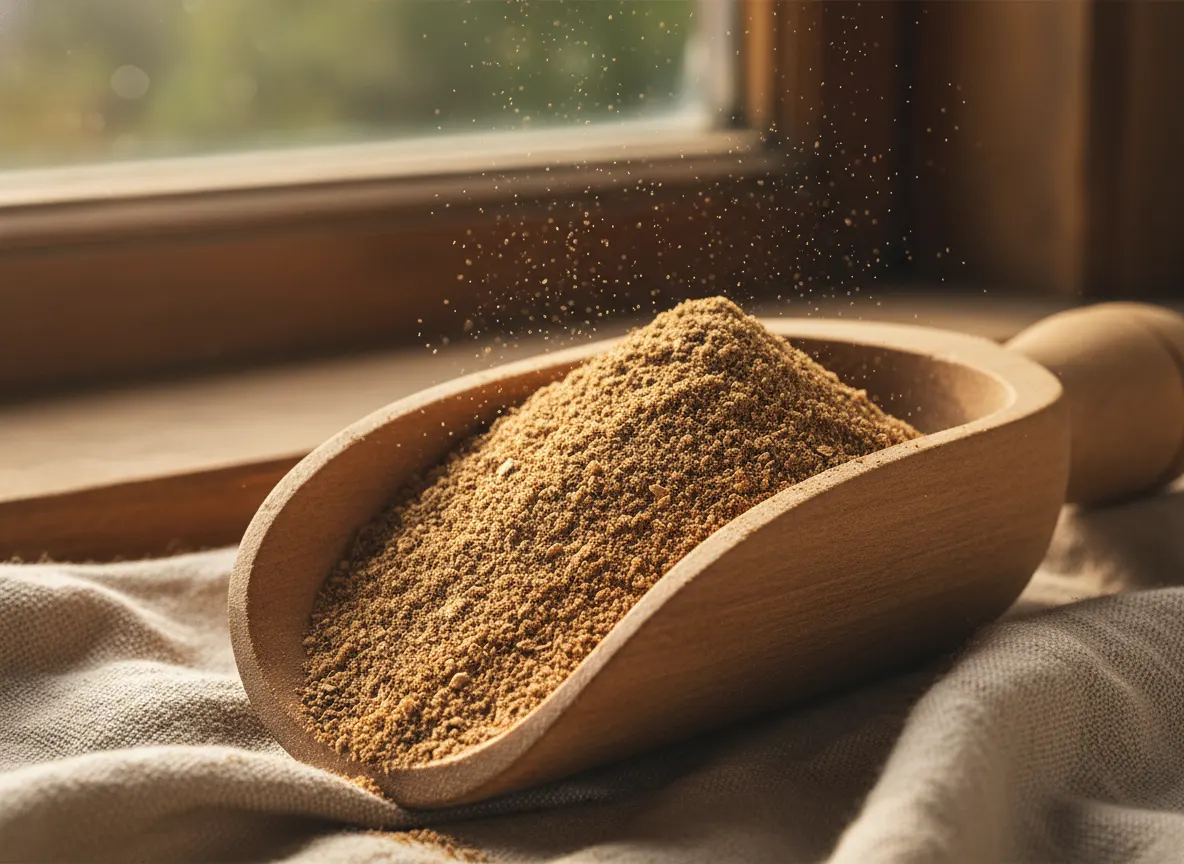
3000mg+ of functional ingredients per serving, not sprinkles
Most functional coffees dust 200-400mg of mushroom extract into a cup and call it complete. Wonder Coffee delivers over 3,000mg of total functional ingredients per serving — the clinically meaningful dose range where the research actually shows results on focus, energy, and mood.
Dose is what separates a product that sounds good from a product that measurably works. It's why 81.1% of users reported improvement in focus, energy, or mood in real customer data.
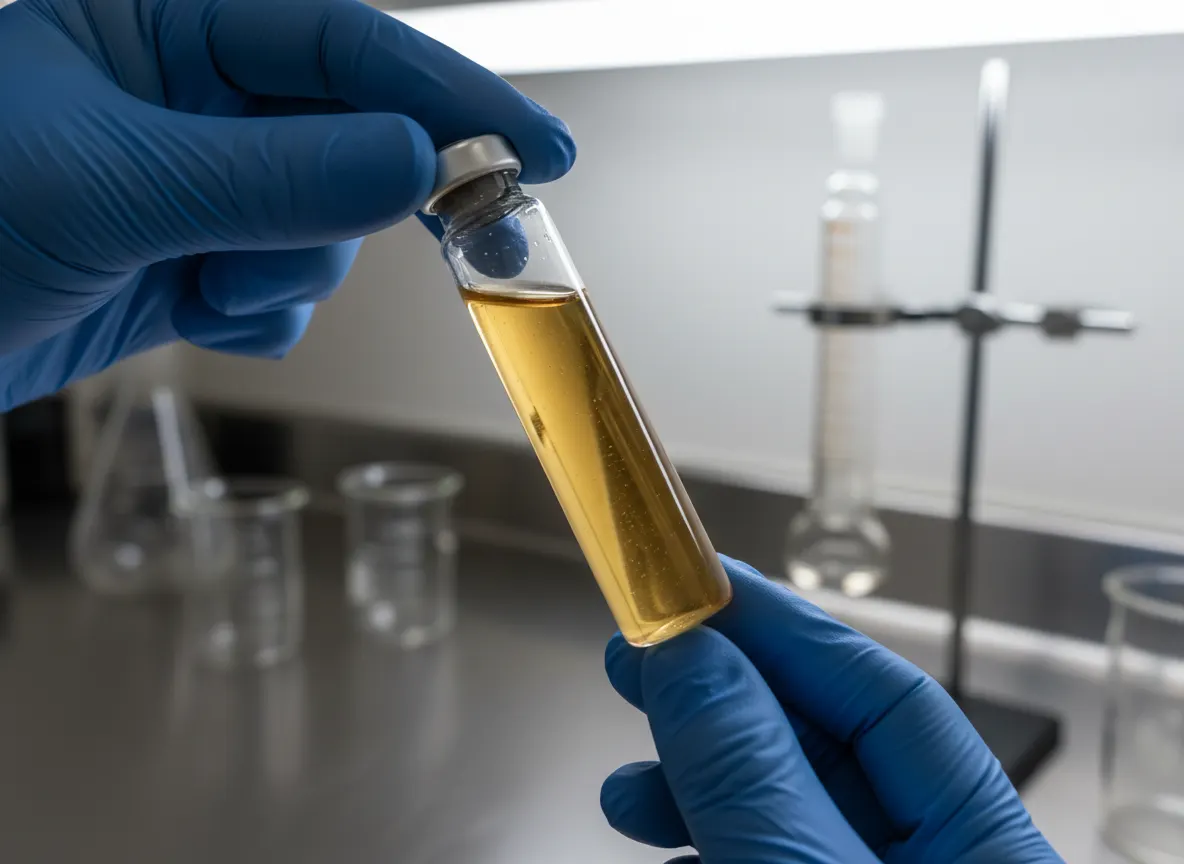
Eurofins third-party tested for purity and potency
Wonder Coffee is made in the USA and tested by Eurofins — an independent third-party lab — for heavy metals, pesticides, and extract potency. The full Certificate of Analysis is available, so you're not taking the brand's word for it; you can read the actual lab report.
Most supplement companies skip this because it's expensive and it exposes them when a batch falls short. Transparency like this is earned credibility, not marketing.

60-day guarantee lets you feel the compound effect
Mushroom adaptogens don't work like caffeine. They compound over weeks as your nervous system recalibrates — week one feels subtle, week four feels grounded, week eight feels like your baseline shifted. Most 14- or 30-day guarantees expire right before the real benefit lands.
Wonder Coffee's 60-day Happiness Guarantee is long enough to move through the loading phase, establish the ritual, and judge the product on how you actually feel after six weeks of daily use — when the calm clarity becomes your new normal.
Your 30-Day Energy Arc
Fruiting Body vs. Mycelium: What You're Actually Paying For
- Use mycelium grown on grain — not the actual mushroom fruiting body where bioactives concentrate
- Grain filler dilutes potency; you're paying for bulk, not the active compounds
- Token doses (500-1000mg) that look impressive on labels but fall short of research-backed amounts
- No extraction ratio disclosed — impossible to know if you're getting 1:1 or 10:1 dilution
- Proprietary blends hide individual ingredient doses, masking the truth about potency
- No third-party testing — no proof the mushrooms are actually what they claim to be
- 8:1 concentrated fruiting body extracts — the nutrient-dense part with proven bioactives like beta-glucans
- Zero grain fillers; 3000mg+ of functional ingredients per serving means you're getting real dose density360mg of 8:1 extract per mushroom equals 2880mg of 1:1 powder — clinically meaningful amounts backed by research8:1 extraction ratio published and transparent — you know exactly what concentration you're consuming
- Every ingredient and dose listed on the label; no hidden proprietary blends or filler padding
- Eurofins third-party tested for heavy metals, purity, and potency — verified proof of what's actually in the packet
What Busy Parents Are Reporting
Questions You're Already Asking