Don't Buy Another Travel Camera Until You've Seen What Fits Inside a Pair of Sunglasses
Dual-lens 4K with autofocus, 32GB onboard, and live translation in your ear — the reason travelers are leaving the camera bag at home.


The best moments happen when your hands are free and your camera is already there. Your kid is laughing, the light is perfect, the moment is right there.
And you're staring at a screen, thumbs fumbling, because the camera was buried at the bottom of the bag. By the time you find it, the laugh is gone.
That's the trip. Not the photos you took. The ones you were too slow to catch.
So, what's really weighing your trips down?

It's not one thing. It's the pile—the camera for shots, earbuds for the flight, your phone open to a translation app you're pointing at a menu while a waiter waits. Three devices. Three cables. Three things to lose.
Every device you carry slows you down when you need to capture something fast. You stop being there and start managing gear. You end up focusing on the screen instead of the experience itself.
Worse is the translation. You freeze mid-sentence, tapping at your screen while the person in front of you politely waits for the robot voice. The connection dies before it starts.
You've told yourself the setup is worth it. But the camera keeps coming home barely used.
Why does the camera bag keep coming home unused?
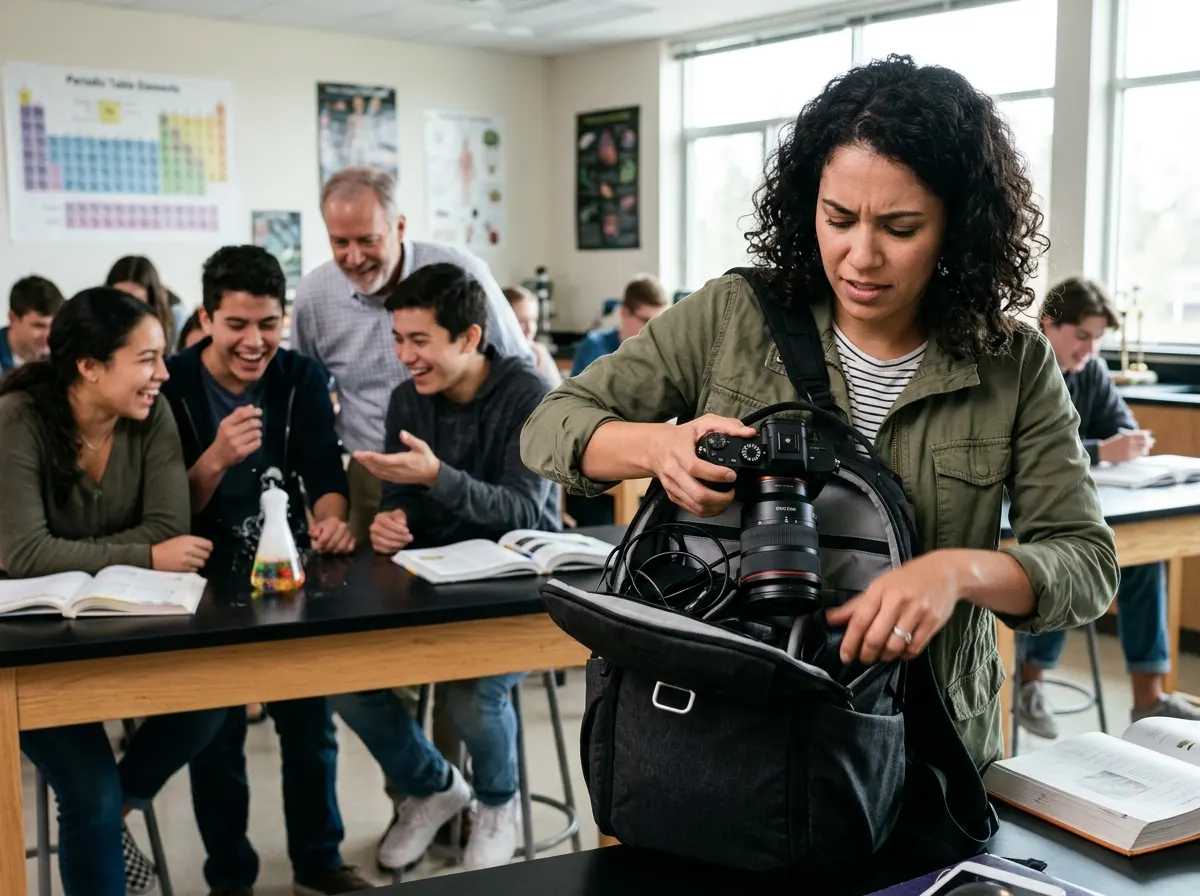
It's called the reach-for gap. Those seconds between wanting to capture something and actually being ready to.
A camera can shoot gorgeous 4K. But if it lives in a bag, the best moments happen in that gap, while you're still digging.
The gear isn't the problem. The reaching is.
More gear doesn't help. Every device you add is one more thing to pull out, wake up, and aim. The reach-for gap gets wider, not narrower.
The only real fix is to close the gap to zero — to make capturing as fast as looking.
The camera can't live in a bag. It has to live where your eyes already are.
What if the camera lived on your face?
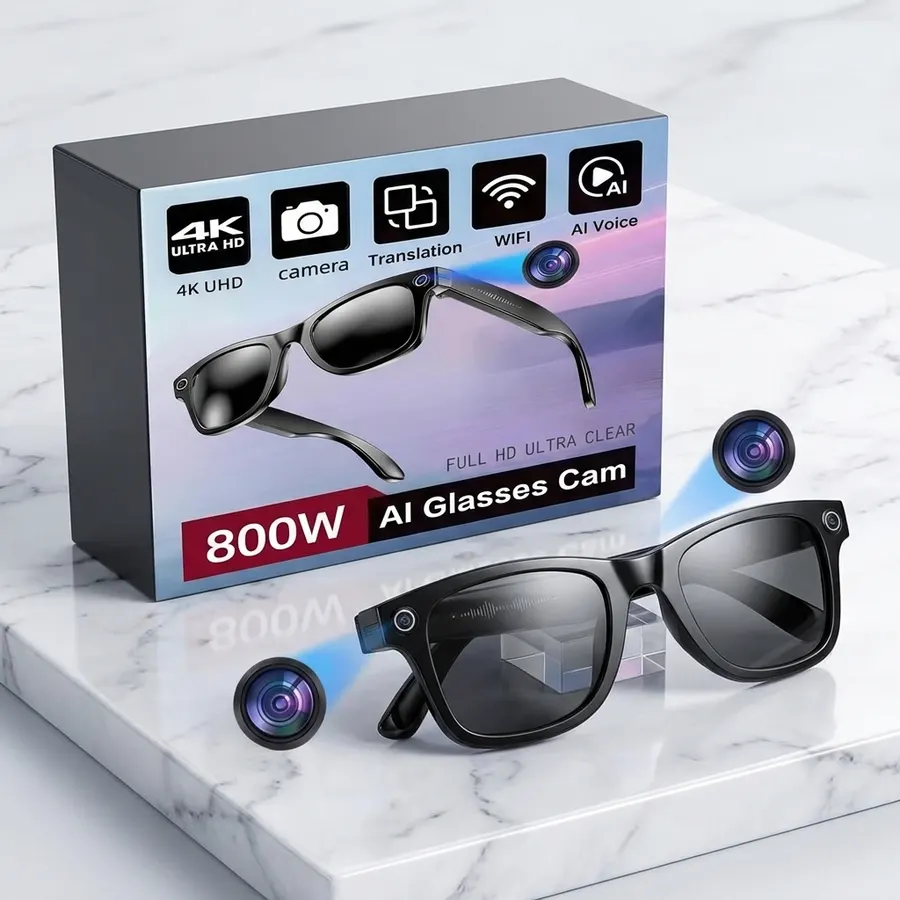
These AI smart camera glasses close the reach-for gap to nothing — because the camera is already pointed wherever you're looking.
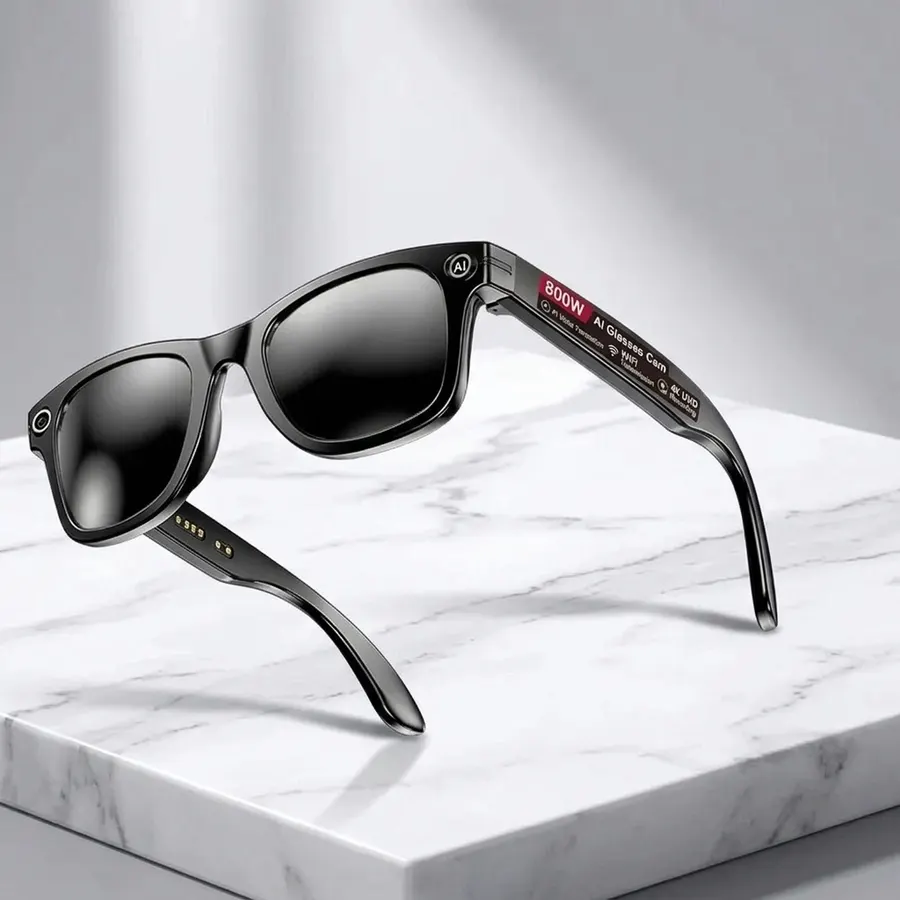
Two lenses shoot 4K video with autofocus, and 32GB of storage lives onboard, so you're not tethered to your phone to record.
Say the word and it captures. The moment is yours before it's gone.
But here's what surprises people most: the translation. Someone speaks, and the words come back in your ear, in real time — no screen, no tapping, no dead pause. You just talk. The wall disappears.
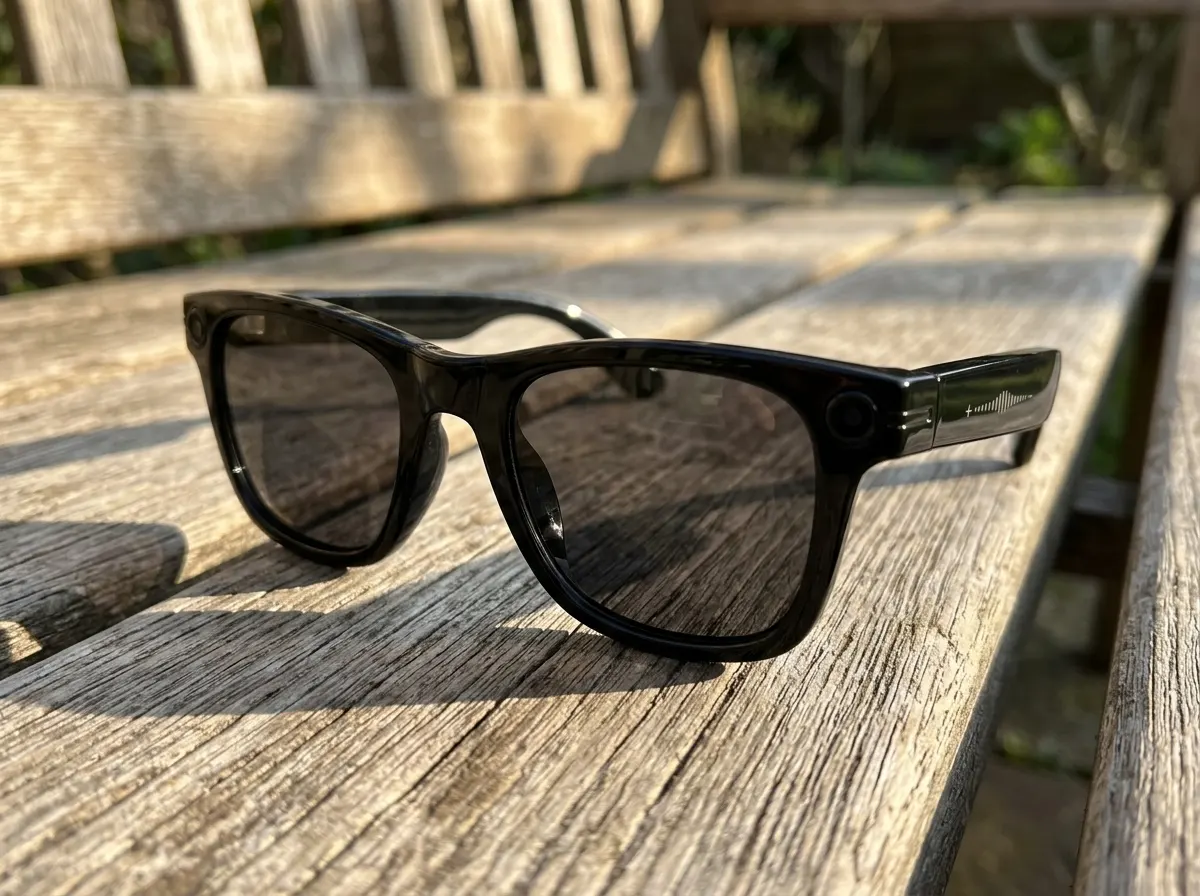
They look like ordinary sunglasses. Open-ear stereo speakers handle your calls and music while you still hear the street around you. One frame quietly does the job your camera, earbuds, and translator used to fight over.
What do you actually get to leave behind?
Every item in the old travel pile was solving one problem badly. Here's what a single frame quietly replaces — and what that frees up your hands, and your attention, to do.
What makes it actually work?
Smart glasses live or die on the specs behind the styling. These are the pieces that decide whether a moment gets caught or missed — and whether a conversation flows or stalls.
Why travelers are making the switch
 1
1
Dual 4K lenses capture video hands-free
Most smartphone cameras require holding the device steady; these glasses record 4K video with dual lenses and autofocus built directly into the frame. The form factor means capturing moments—travel scenes, outdoor activity, content creation—requires no extra gear or setup. Storage is local: 32GB holds hours of footage without tethering to a phone.
 2
2
Real-time translation works mid-conversation
Language barriers dissolve when the glasses translate speech in real time—a Polish girlfriend's words become English instantly, or a traveler asks directions in their native tongue and understands the reply. This is not a post-recording feature or a phone app delay; the translation happens as people speak. ChatGPT voice assistance layers on top, letting users ask questions and get answers without breaking conversational flow.
 3
3
Open-ear audio means music without isolation
Stereo speakers built into the frame deliver sound directly to the ears while ambient noise—traffic, conversation, nature—remains audible. This is fundamentally different from earbuds or closed-ear headphones: the wearer stays aware of their surroundings while listening to calls, music, or voice commands. The design suits travelers, outdoor athletes, and anyone who needs to stay alert while connected.
 4
4
Affordable premium avoids the knockoff trap
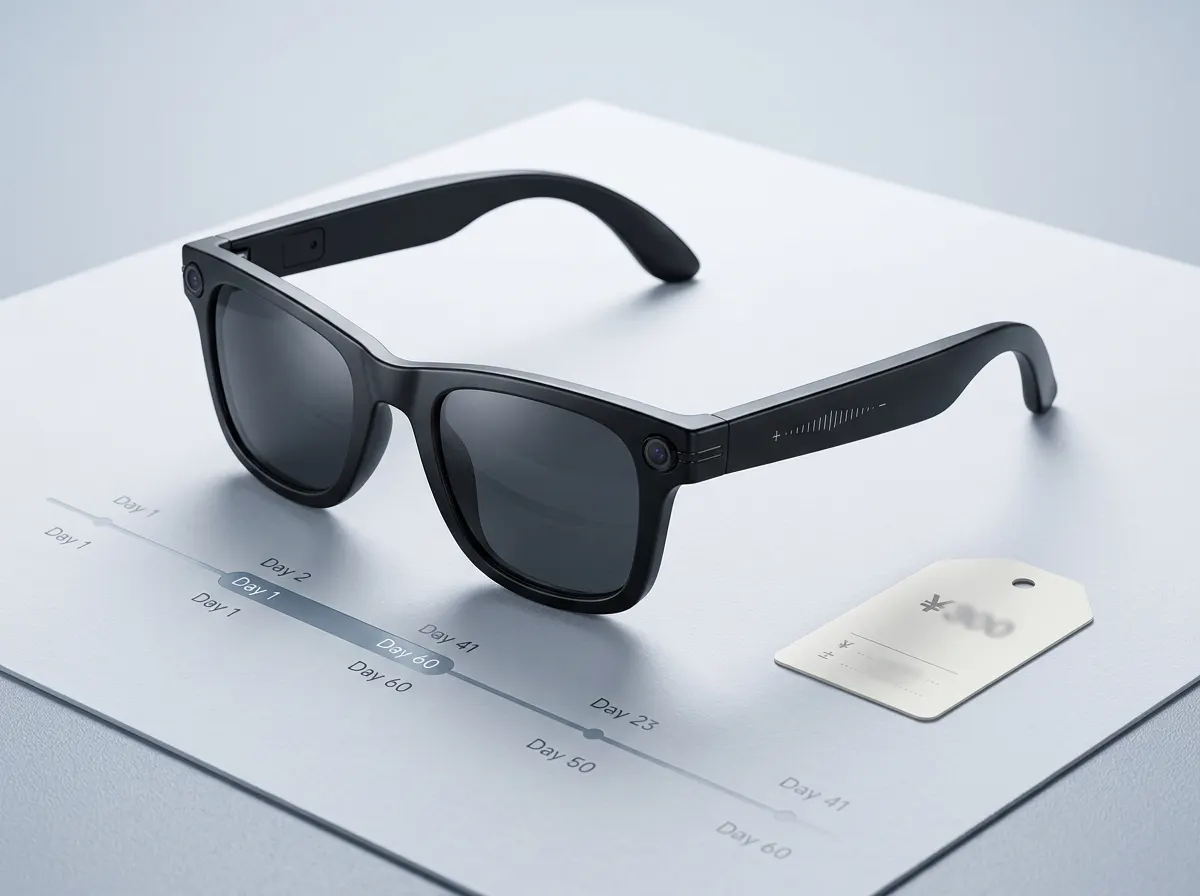
At £125–135, these glasses compete on value-per-feature, not race-to-bottom pricing. The 60-day money-back guarantee removes purchase risk entirely. Three verified customers rated the product 5 stars, confirming the hardware delivers on its promises—no firmware quirks, no bait-and-switch specs. The form factor looks indistinguishable from regular sunglasses, so the premium sits in capability, not aesthetic gimmick.
 5
5
Battery outlasts a travel day without bulk
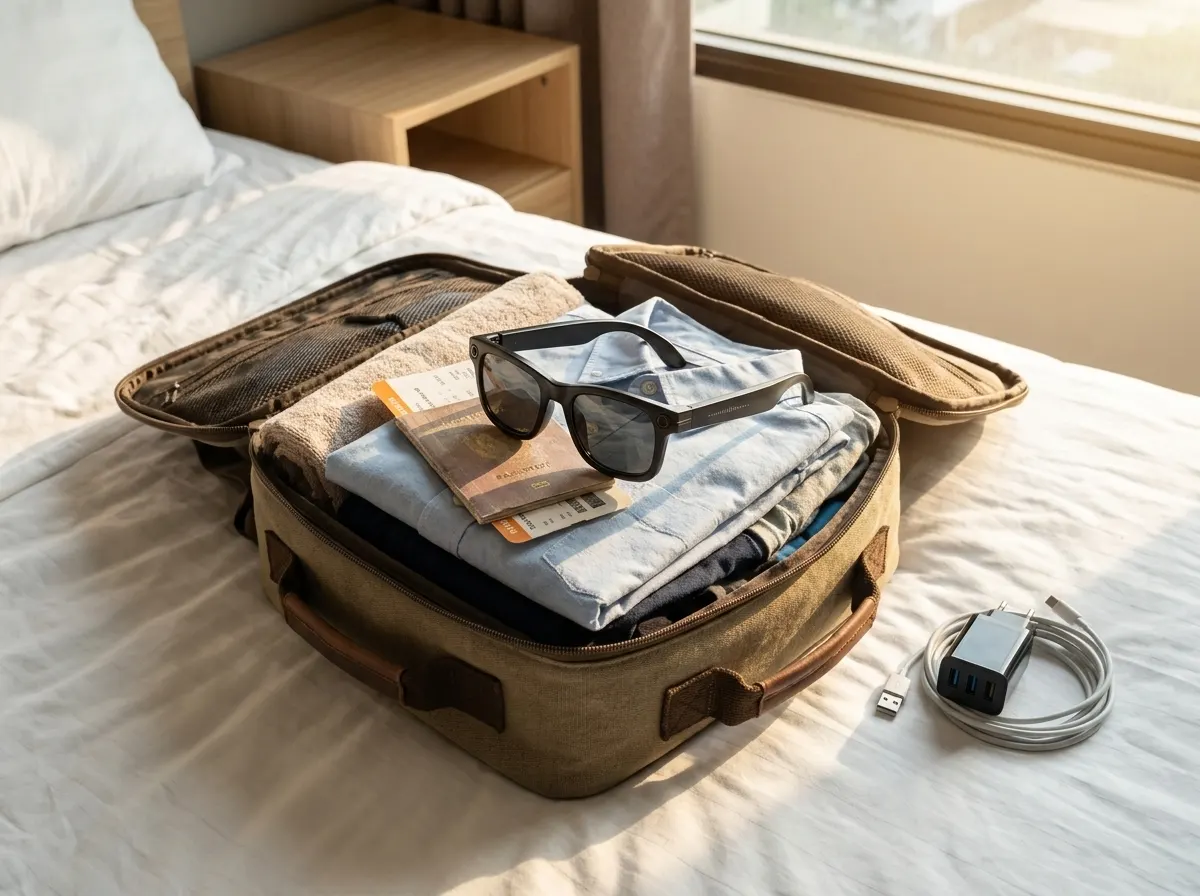
These glasses hold charge through extended use—walking, recording, translating—on a single cycle, then charge quickly for the next day. Unlike carrying a power bank or swapping batteries, the lightweight frame stays comfortable for hours of wear. Lightweight design is the proof: the entire system integrates into something that looks and feels like regular sunglasses, not a tech burden.
What People Are Saying
The most convincing proof isn't the spec sheet — it's what happens when someone abroad actually needs the translation to work, or reaches to catch a moment hands-free and it's just there.
How does it work over time?
There's a short adjustment from reaching-for-a-bag to just-looking. Here's roughly how quickly the habit flips over from the first day you put them on.
How does it stack up?
Most smart glasses do one thing and skip the rest — record but can't translate, or play music but sound tinny. Here's where the differences actually land against the alternatives you've been weighing.
- Single camera, 1080p video quality maximum
- Translation requires phone app sync delays
- Audio through closed earbuds blocks ambient sound
- Tethered to phone for storage and processing
- Bulky design noticeably different from sunglasses
- Poor video stabilization in motion
- Limited battery, frequent recharging needed
- Dual-lens 4K recording with autofocus technology
- Real-time translation without phone dependency
- Open-ear stereo speakers preserve situational awareness
- 32GB independent storage, phone-free operation
- Indistinguishable from regular premium sunglasses
- Smooth dual-lens capture for hands-free video
- All-day battery with quick-charge capability
Get Started Today
What travelers ask before buying
The honest questions come up fast: does the translation really keep up in a live conversation, is the 4K actually usable, and at this price is it premium or a knockoff? Here are straight answers.
Leave the camera bag at home