
Advertorial examples
Real, live DTC pages — captured and torn down for the one move each executes best. See all examples, the listicle examples, the offer page examples, or read the narrative breakdown.







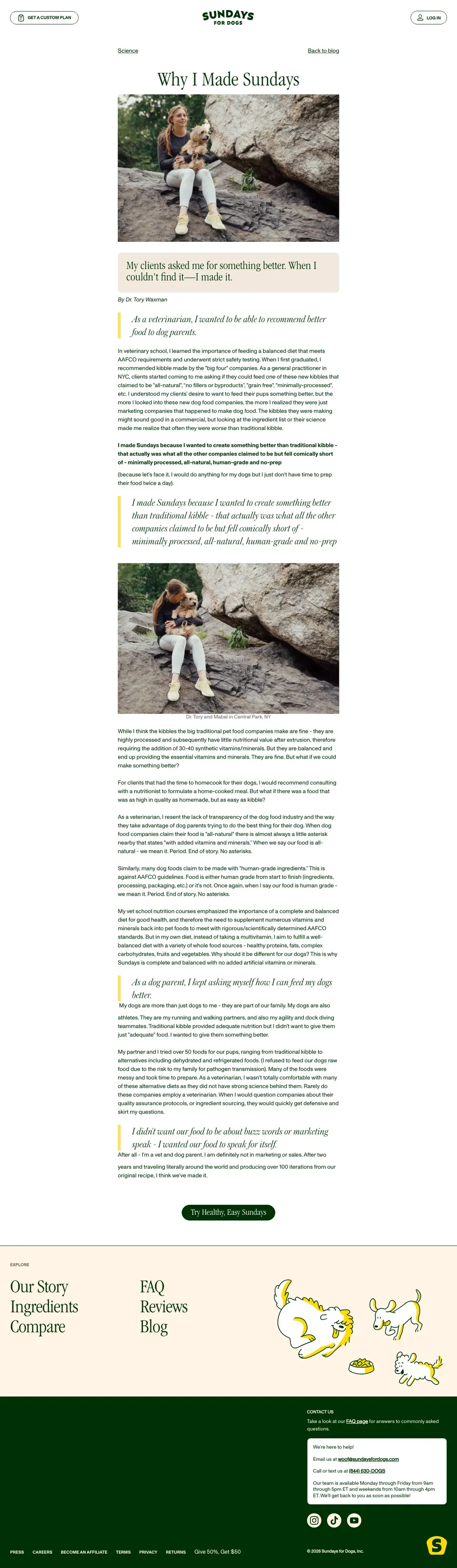



















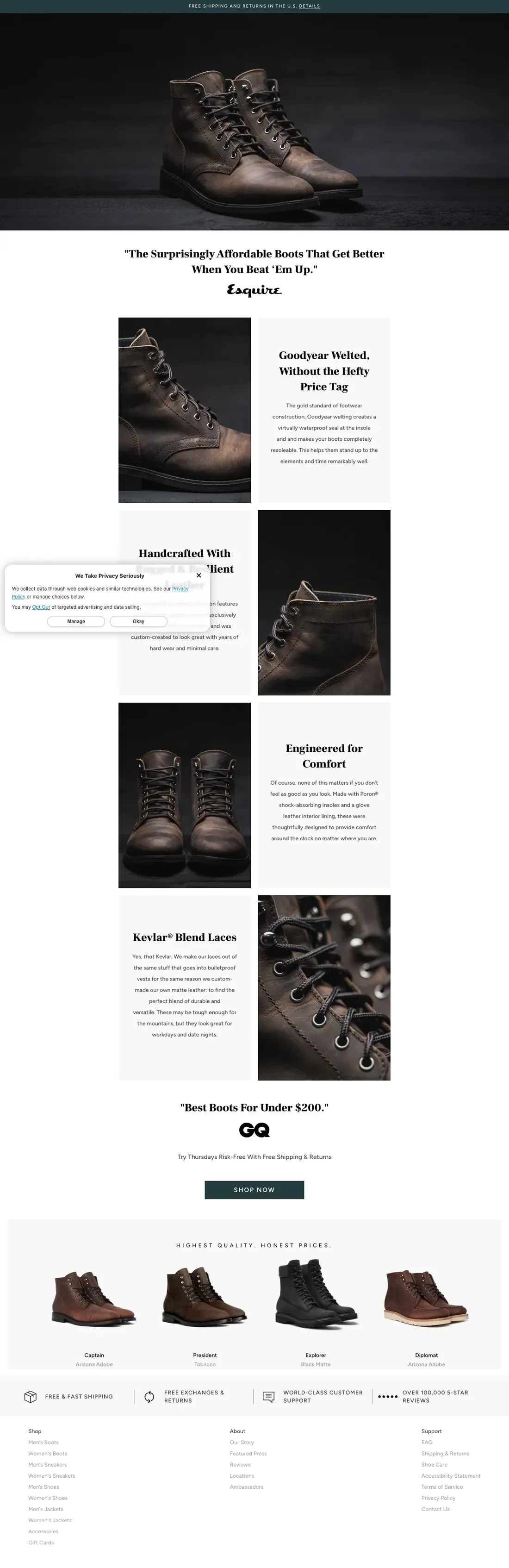

Key patterns across these 29 advertorials
The page stays an article for as long as it can
The offer is not the opening move. These pages spend their first screens explaining a mechanism, auditing why the category keeps failing, or teaching the biology, and introduce the product only once the argument has made it the obvious conclusion. The ratio is closer to 70/30 than to half and half.
A named narrator carries the argument
Almost every advertorial here runs through one person: a founder telling an origin story, a customer keeping a dated diary, a founder used as the test subject with bloodwork to show for it. The narrator is what makes a claim read as testimony rather than copy, which is also why the credential is the one input that cannot be faked.
The opening line concedes something
The strongest openers give ground before asking for any. They voice the reader’s own skepticism, admit the writer was wrong, or say plainly that the failure was not the reader’s fault. A page that starts by agreeing with you is much harder to stop reading than one that starts by selling.
Frequently asked questions
Will Meta approve an advertorial landing page?
The format is not the problem. Advertorials run on Meta constantly, and the accounts that get banned are almost never banned for using one. What gets flagged is what is inside: fabricated comment threads, invented bylines and credentials, "As seen in" logos for publications that never covered you, and claims the landing page cannot support. Meta reviews the ad and its destination together, so an honest ad pointing at a page with a fake doctor on it is still a violation. Our compliance checklist walks the FTC side of the same question.
Do the advertorials in this library disclose that they are ads?
Some do and some do not, and each teardown says which. An FTC-compliant advertorial carries a clear label such as "Advertisement" or "Advertorial" placed before the headline, where a reader meets it before the story starts. Several pages here do exactly that. Others carry nothing, or bury a disclosure in the footer under claims that needed one at the top. We name it either way rather than quietly presenting an undisclosed page as a model.
Why include pages you would not endorse?
Because a swipe file is not an endorsement, and a page can teach you something without deserving your approval. Several advertorials here are built on invented authority: a staff-editor persona who does not exist, a redrawn trust badge, a testimonial signed by a doctor nobody can find. Each is included with a teardown that names the real technique AND the line the page crosses. What we never do is let "what to steal" imply the faked part is the technique — where a move only works because something is fabricated, the teardown says so.