
An advertorial landing page is an article-style page that sits between a paid ad and a product page, warming up a cold visitor before any offer appears. Building one well is mostly a structure problem: the right sections in the right order, styled to read like editorial. This guide covers exactly that, from anatomy to publishing. For the writing craft itself, the how to write an advertorial framework covers voice, awareness levels, and the five-step narrative arc, so this piece stays on the build.
What an advertorial landing page is
The format borrows the look of an article and the job of an ad, and it exists because cold traffic rarely buys on first contact with a price tag. The page educates first, then recommends. If the concept is new to you, the what is an advertorial definition covers the background and the FTC rules. The rest of this guide assumes you know why you want one and shows you how to put it together.
The anatomy of a high-converting advertorial page
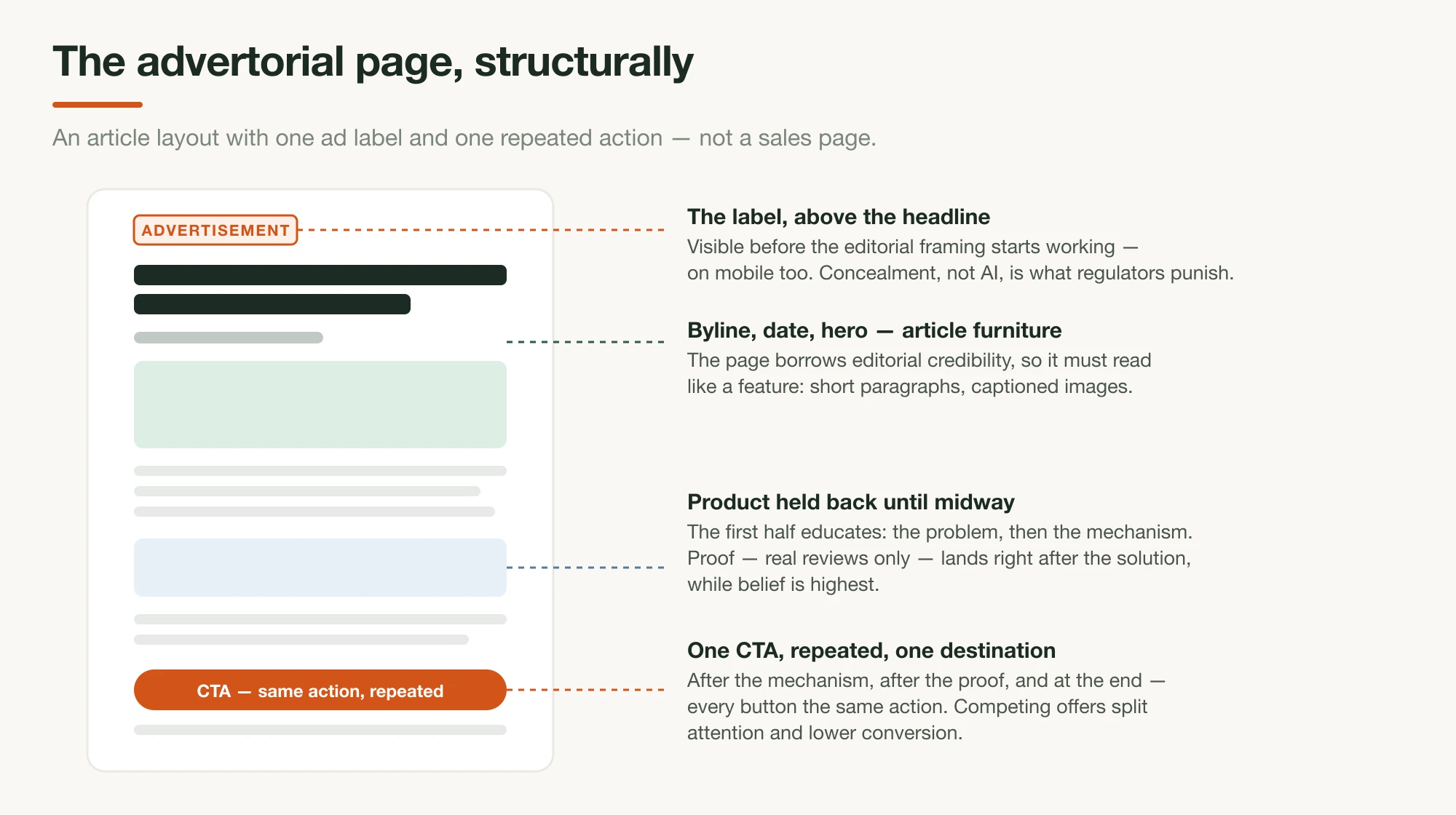
The pages that convert share a section order, top to bottom. A disclosure label sits first, marking the page as an advertisement. The headline follows, written like an article title rather than an ad, often with a byline and date to reinforce the editorial frame. The lead section opens on the reader's problem, not the product. A mechanism section explains why the problem persists and what actually solves it. The product enters only after that groundwork, typically past the midpoint of the page. A proof block follows with reviews, numbers, or before-and-after context, then the offer with a single call to action, repeated down the remainder of the page. A short FAQ and a guarantee close it out.
Two structural rules hold across all of it. Every link points to the same destination, with no site navigation to leak attention. And the product's entrance is earned by the sections before it, which is why moving it earlier almost always hurts.
A step-by-step build
- Pull the angle from your winning ad. The hook that earned the click sets the page's topic and vocabulary, and the headline should feel like its continuation.
- Wireframe the section order before touching design: disclosure, headline, lead, mechanism, product turn, proof, offer, FAQ.
- Produce the draft copy. Write it using the framework linked above, or generate it and edit, but keep the structure fixed either way.
- Style it like an article. One readable column, editorial typography, real paragraphs, and images that look photographed rather than designed.
- Place the disclosure and run a compliance pass, which the next section covers.
- Wire the plumbing: every CTA to the same URL, pixel and conversion events firing, UTM parameters consistent with the ad.
- Publish and test on a phone over mobile data, because that is where the traffic lives, and a slow page undoes everything above it.
Examples
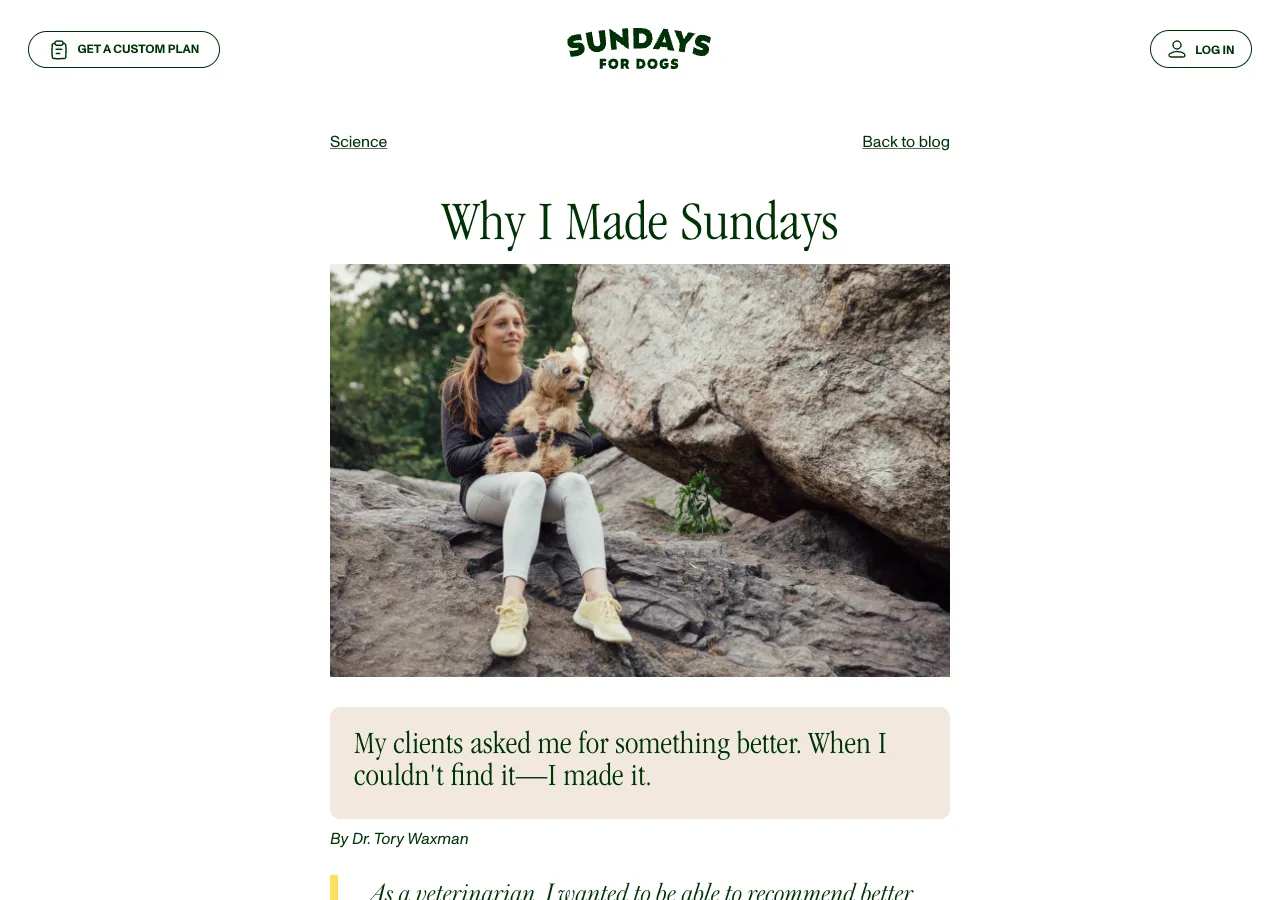
Three patterns cover most working advertorial pages. The story pattern runs a first-person narrative from problem to discovery, and suits products with an emotional arc like sleep, skin, or pain.
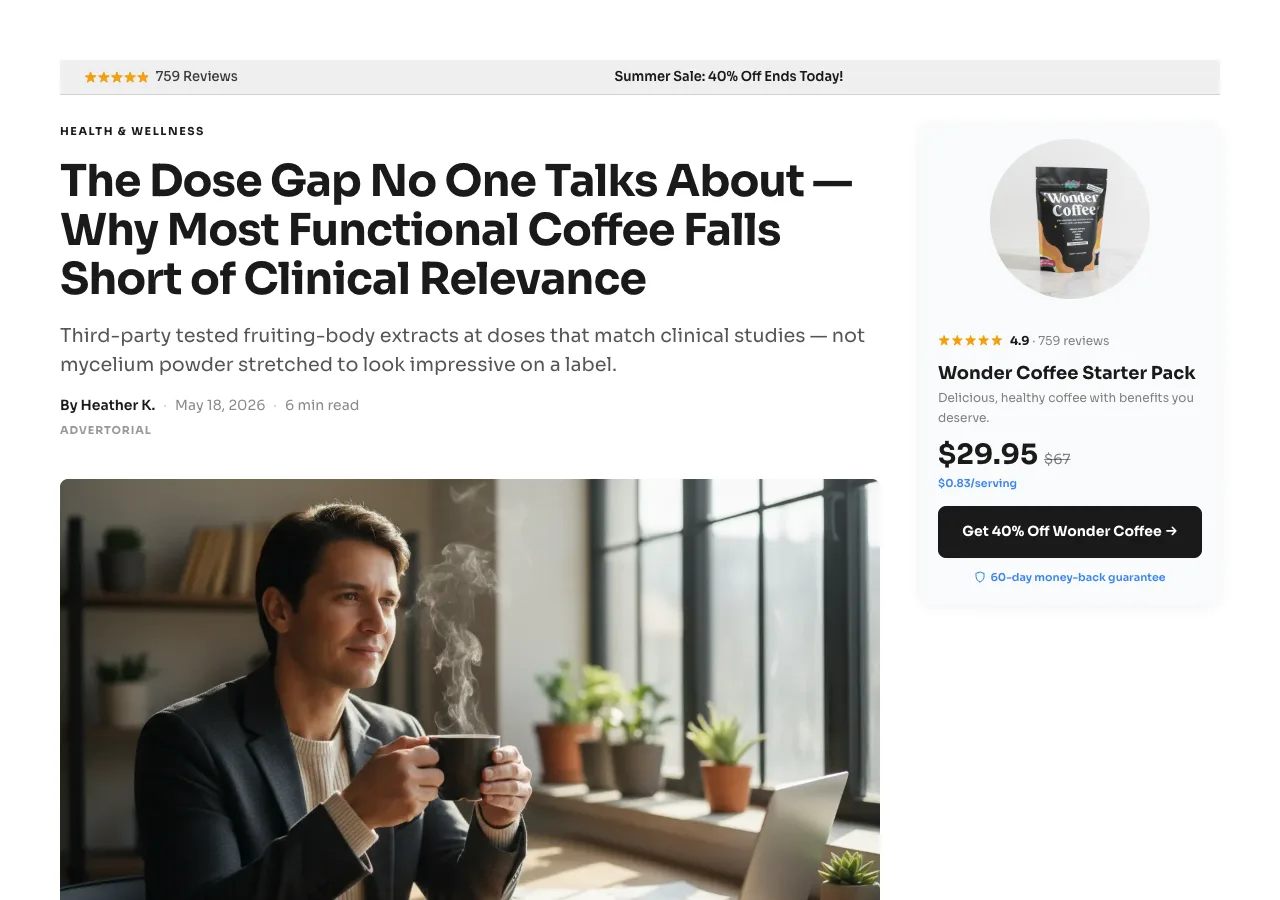
The mechanism pattern reads like science journalism, explaining why conventional options fail before introducing the product as the exception, and suits supplements and technical products.
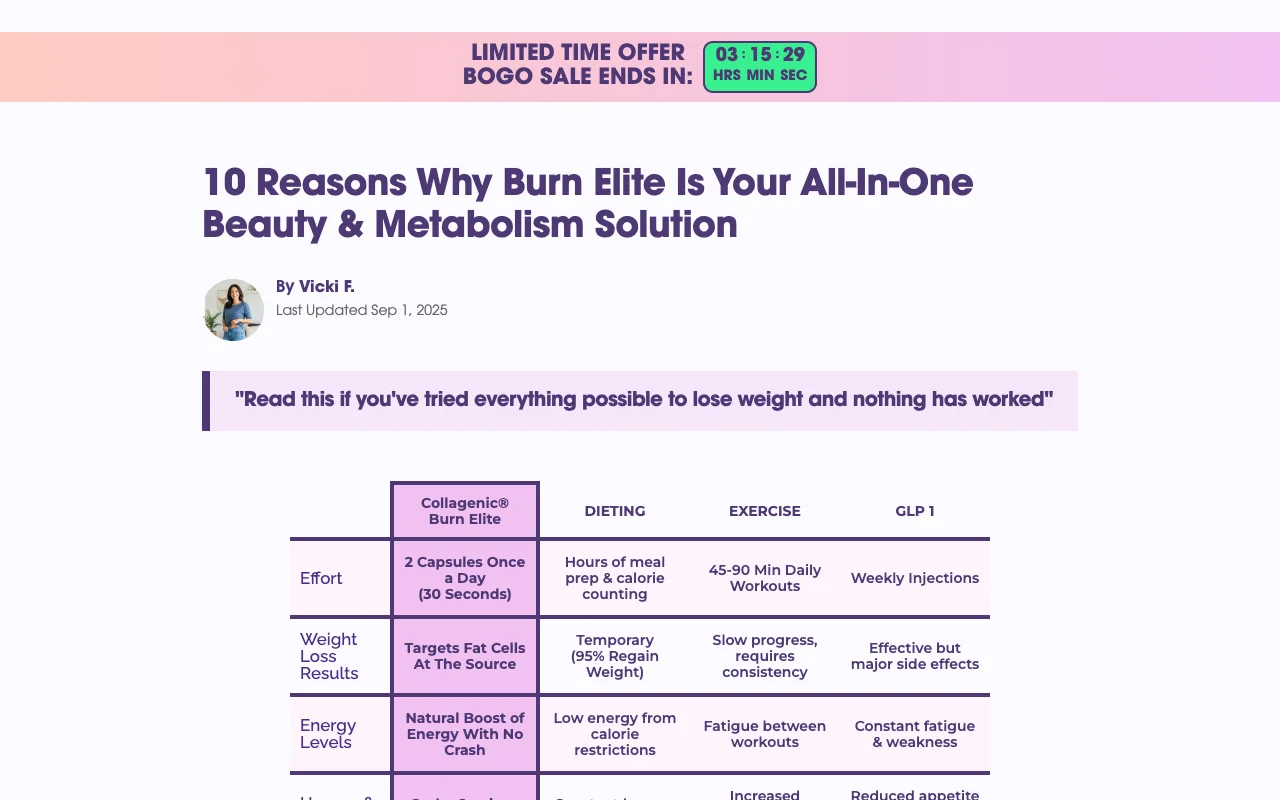
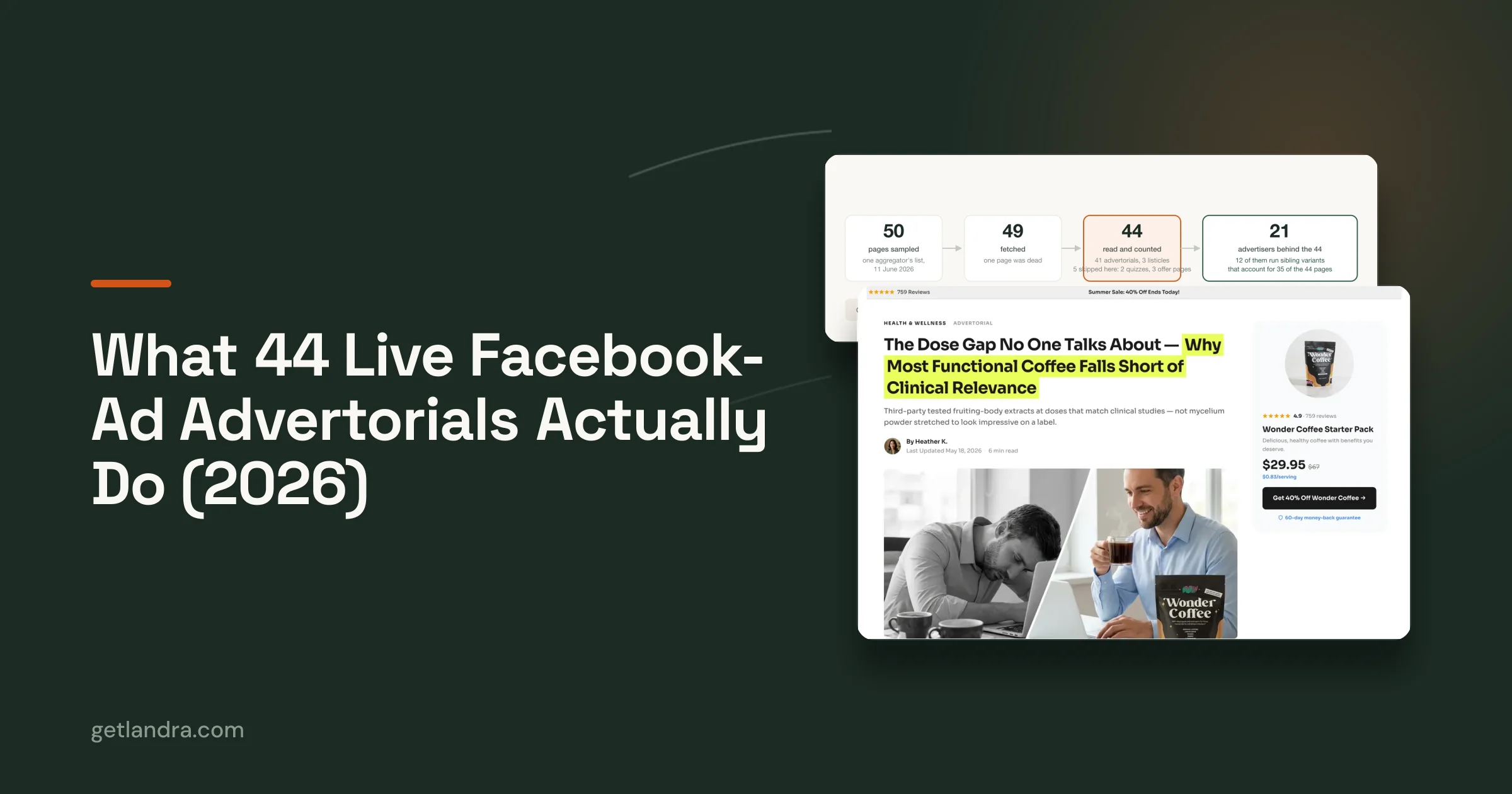
The hybrid listicle pattern wraps the argument in a numbered format, which suits household products and anything with several distinct benefits. For live teardowns of real pages using these patterns, the advertorial examples that convert breakdown walks through ten of them element by element.
Compliance and disclosures
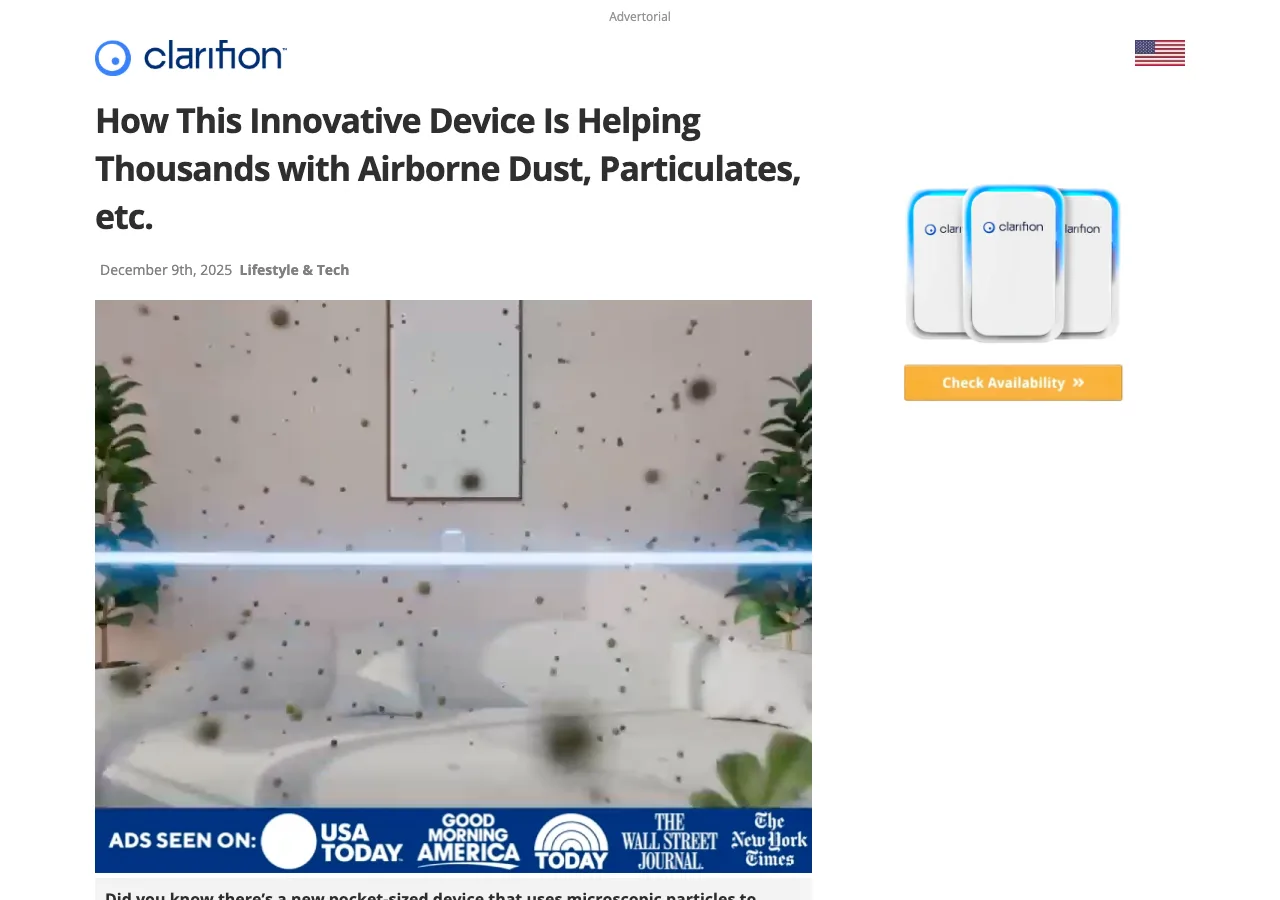
An advertorial is an advertisement wearing editorial clothes, and regulators require the clothes to be labeled. The FTC standard is that readers must be able to tell the page is an ad before engaging with it, in plain language they understand, so a visible label such as Advertisement or Paid Advertisement belongs at the top, not buried in a footer. Avoid invented publications, fake reporters, and fabricated expert endorsements entirely, and keep product claims to what you can substantiate. Meta layers its own review on top of this, so exaggerated claims risk the ad account as well as the page. The free advertorial compliance checklist turns this into a pass-fail list you can run before every launch.
How to build one with AI
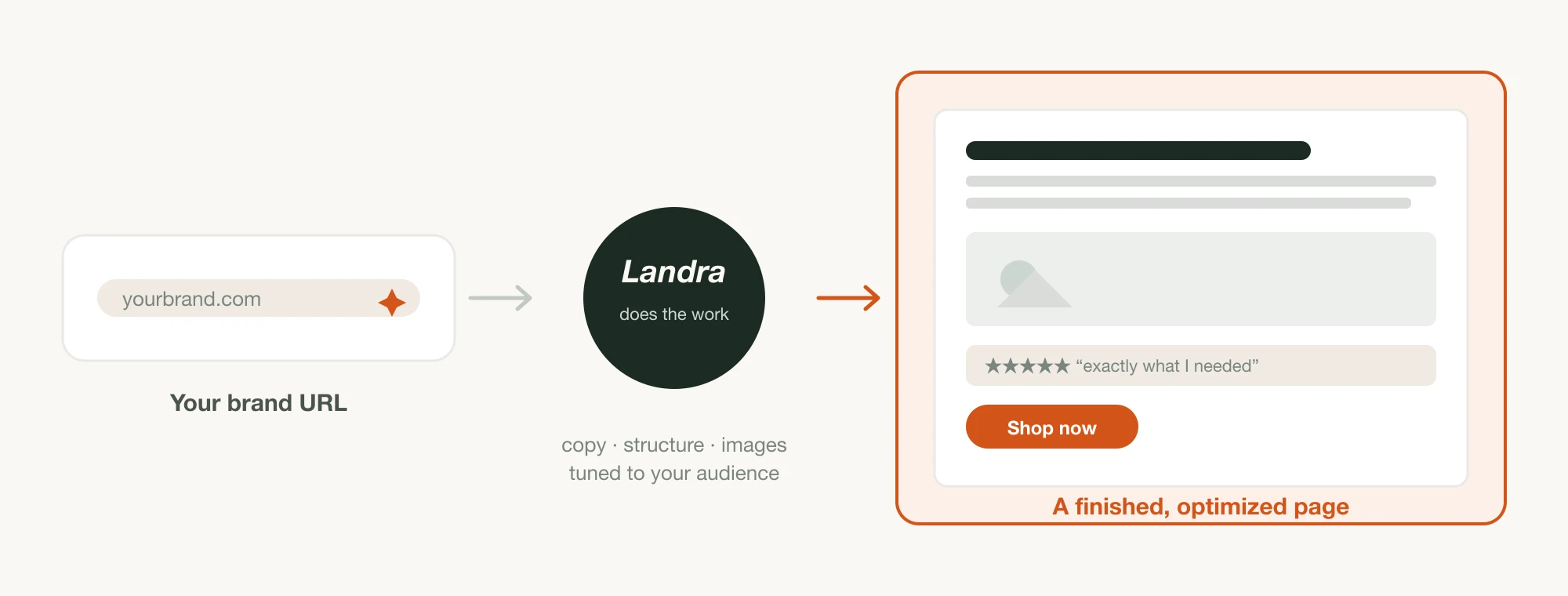
The manual build above takes a day or two the first time. The AI path compresses it: paste a product URL into Landra's advertorial generator, and it produces the full structure, the draft copy, supporting images, and the disclosure, already ordered the way this guide describes, then publishes to Shopify, Webflow, HTML export, or a hosted URL. Everything stays editable inline, so the honest workflow is generate, then apply human judgment to claims, voice, and proof. AI gets you a structurally correct page in minutes, and your edit is what makes it yours.
Build the structure in minutes
If the section order above is the part you want handled for you, generate your first advertorial page with Landra free, on the 14-day trial, then spend your time editing the argument instead of assembling the skeleton.
Frequently asked questions
How long should an advertorial landing page be?
Long enough to earn the product's entrance, which for most DTC offers means 800 to 1,500 words. Complex or expensive products support more. Every paragraph that fails to move the reader forward is an exit ramp, so length is a budget, not a target.
Where should the product first appear on the page?
After the problem and mechanism are established, usually just past the midpoint. Introducing it in the first third collapses the editorial frame and turns the page back into an ad.
Does an advertorial landing page need a disclosure?
Yes, visibly and at the top. The FTC treats the format as advertising regardless of how it reads, and platforms enforce the same expectation through their own review systems.
Should the page link anywhere besides the offer?
No. One destination, repeated. Navigation menus, footers full of links, and social icons all leak attention that the page worked hard to build.
Can I use the same page for warm retargeting traffic?
You can, but it is usually wasted depth. Warm visitors already know the product, so shorter pages or the product page itself tend to work better, and the advertorial earns its length on cold traffic.