
You've built a product page that converts for warm traffic, then you push cold Meta clicks straight to it. Visitors land, see a price and an Add to Cart button for something they heard about four seconds ago, and they're gone. The click wasn't wasted because Meta is a bad channel. It was wasted because you asked a stranger to behave like a ready buyer.
That's the mismatch behind most failed campaigns. Every type of digital marketing reaches people at a different awareness stage, with a different level of trust, intent, and patience. Paid social interrupts. Search captures. Email retains. If you judge them all by the same landing page and the same metric, you'll kill channels that were doing a different job well.
The better question isn't which channel is best. It's who you're trying to reach, what they already know, and how long you can wait for a return. Get those three answers right and the channel choice usually becomes obvious. Get them wrong and even strong creative will look broken.
Below are eight channels framed by the job they do in the buying journey. Each one ends with a clear skip it when condition, because knowing when not to spend is worth as much as knowing where to start.
Table of Contents
- 1. Paid Social Advertising (Meta and TikTok Ads)
- 2. Native Advertising
- 3. Search Engine Optimization (SEO)
- 4. Search Engine Marketing (Paid Search / PPC)
- 5. Content Marketing
- 6. Email Marketing
- 7. Influencer Marketing
- 8. Affiliate Marketing
- How the eight digital marketing channels compare at a glance
- Match the Channel to the Buyer, Then Let the Test Decide
1. Paid Social Advertising (Meta and TikTok Ads)
At the start of 2025 there were approximately 5.24 billion active social-media user identities worldwide, equivalent to 63.9% of the global population, according to the DataReportal Digital 2025 Global Overview Report. That scale is why Meta and TikTok dominate cold acquisition for DTC brands. You're not waiting for demand, you're creating it inside feeds where people already spend their time.
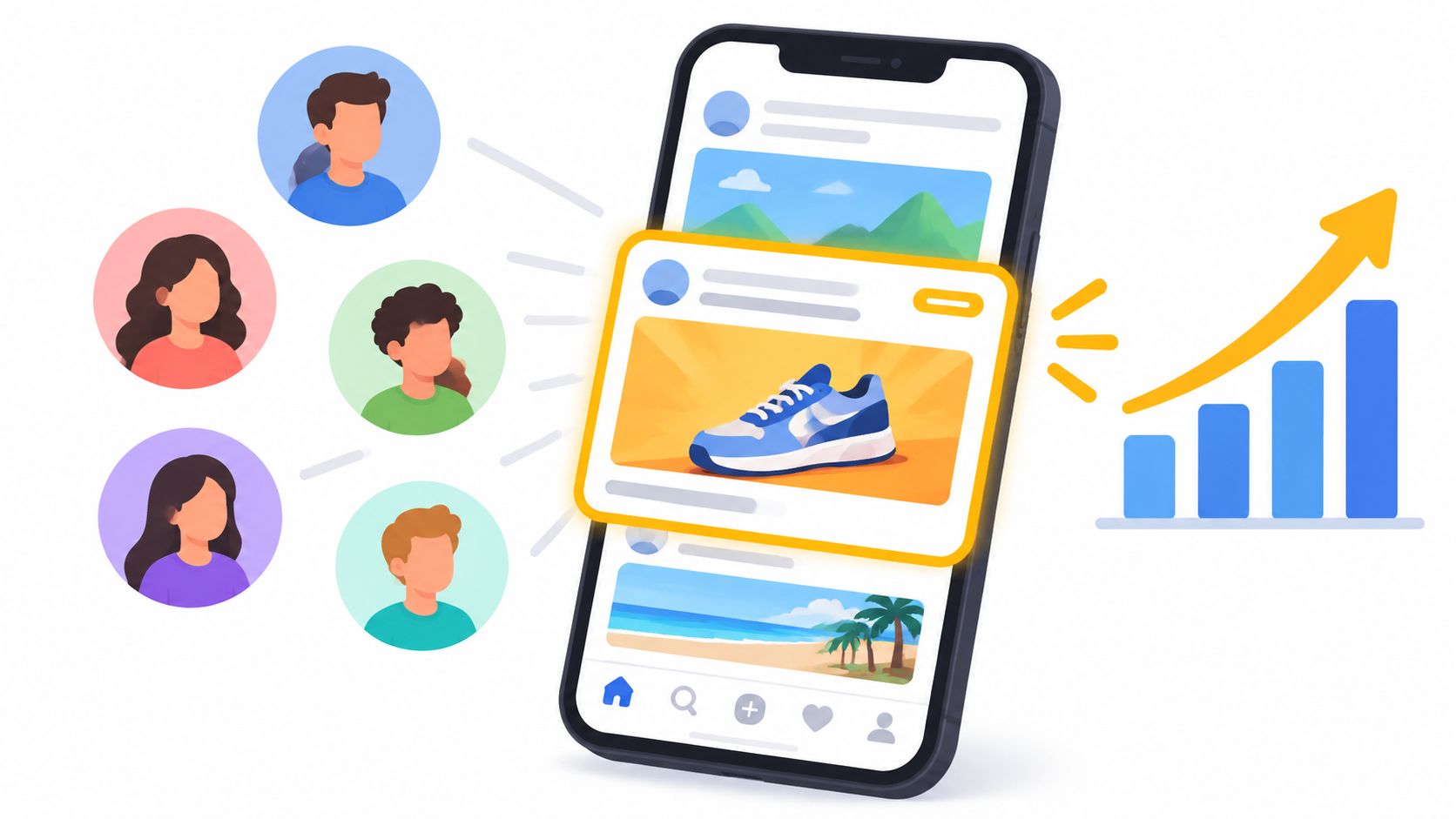
The weakness is context. A feed click is curious, not committed. Send that click to a product detail page and you force a buying decision before you've explained the problem, the mechanism, or why your product beats the familiar option. Gymshark pairs paid social with creator content for a reason, because proof travels better than a plain product shot.
How To Make Cold Clicks Work
- Match the headline to the hook: If the ad promises help for bloating after meals, the page opens on that exact promise, not your brand story.
- Use a presell page for cold traffic: An advertorial or listicle warms the click, handles objections, and then sends qualified readers to checkout.
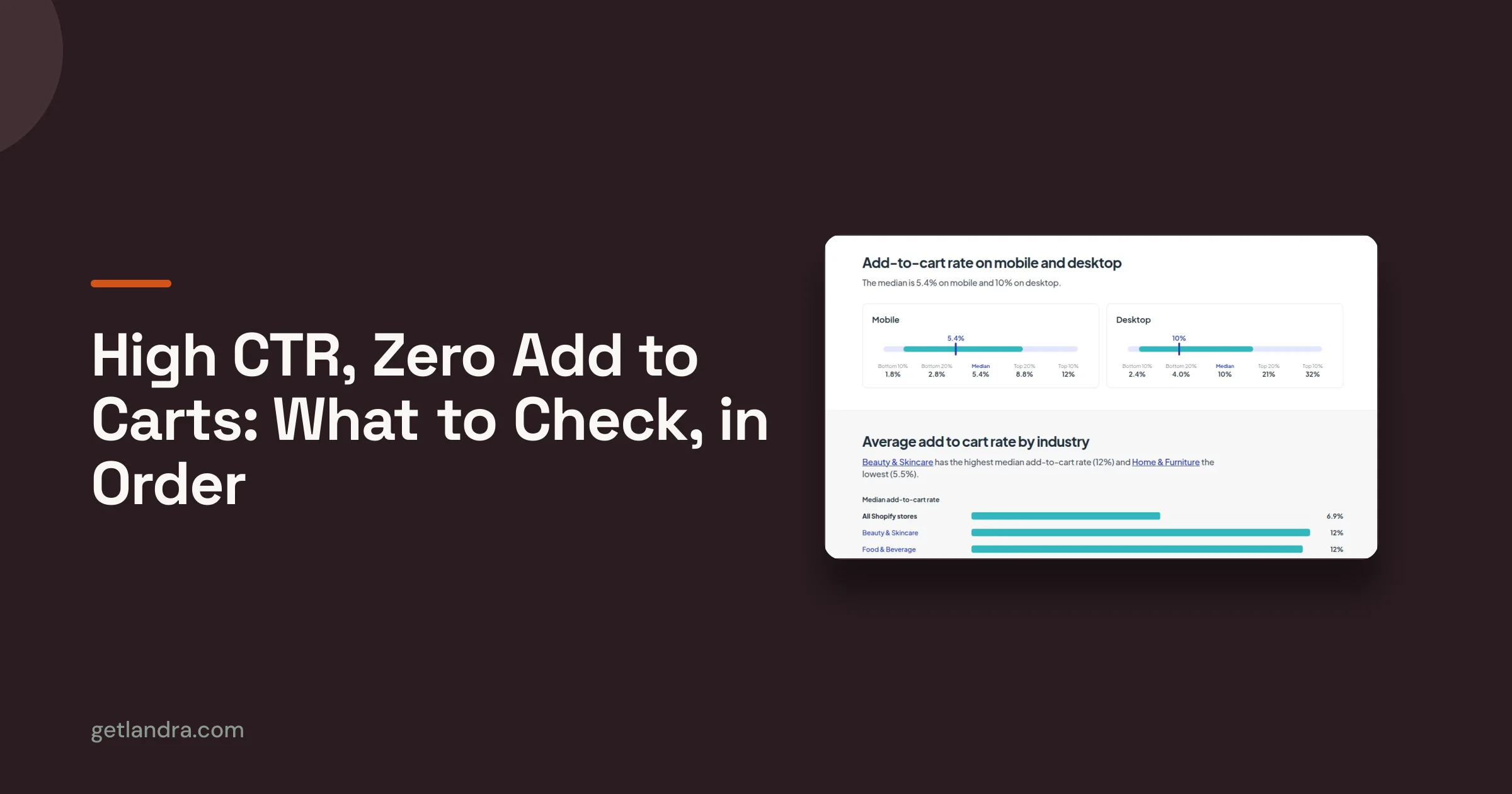
- Test one angle at a time: Duplicate the page and change only the lead section, so you know which angle moved qualified click-through and add-to-cart rate.
- Watch frequency closely: Refresh creative when the same audience sees the same ad until response softens.
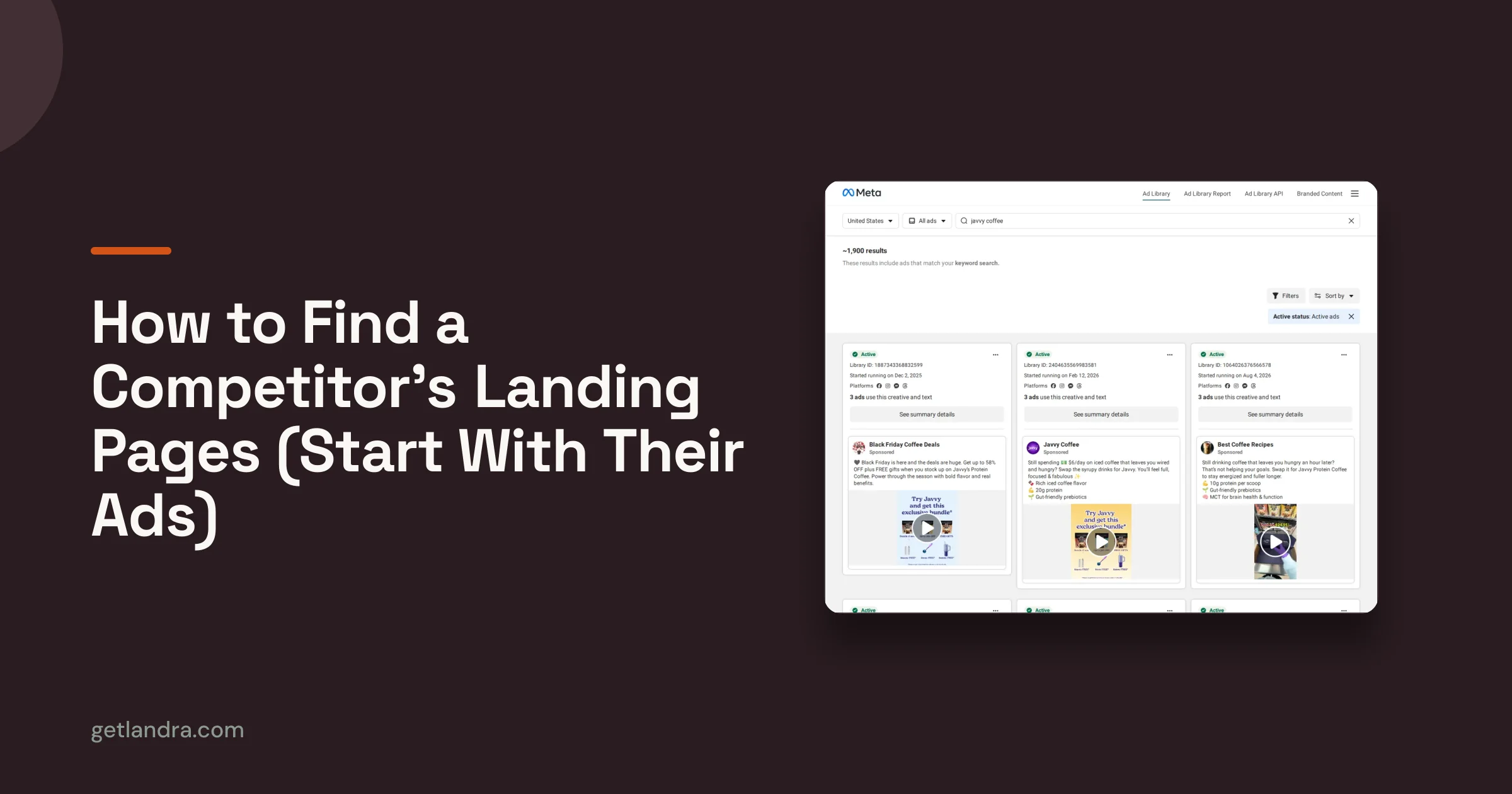
Use these Meta ad creative and targeting tips alongside broader guidance to find actionable paid social tips before scaling spend.
Skip it when your offer, margin, or landing page can't support paid cold traffic yet. Paid social will find the flaw fast and charge you for every lesson.
2. Native Advertising
Say a supplement brand runs a headline-style ad under articles on a major news site through Taboola or Outbrain. The reader isn't shopping. She's reading. Your ad has to earn the click the way an article does, with a specific benefit or a curiosity gap, then deliver an editorial page that doesn't feel like a bait and switch.
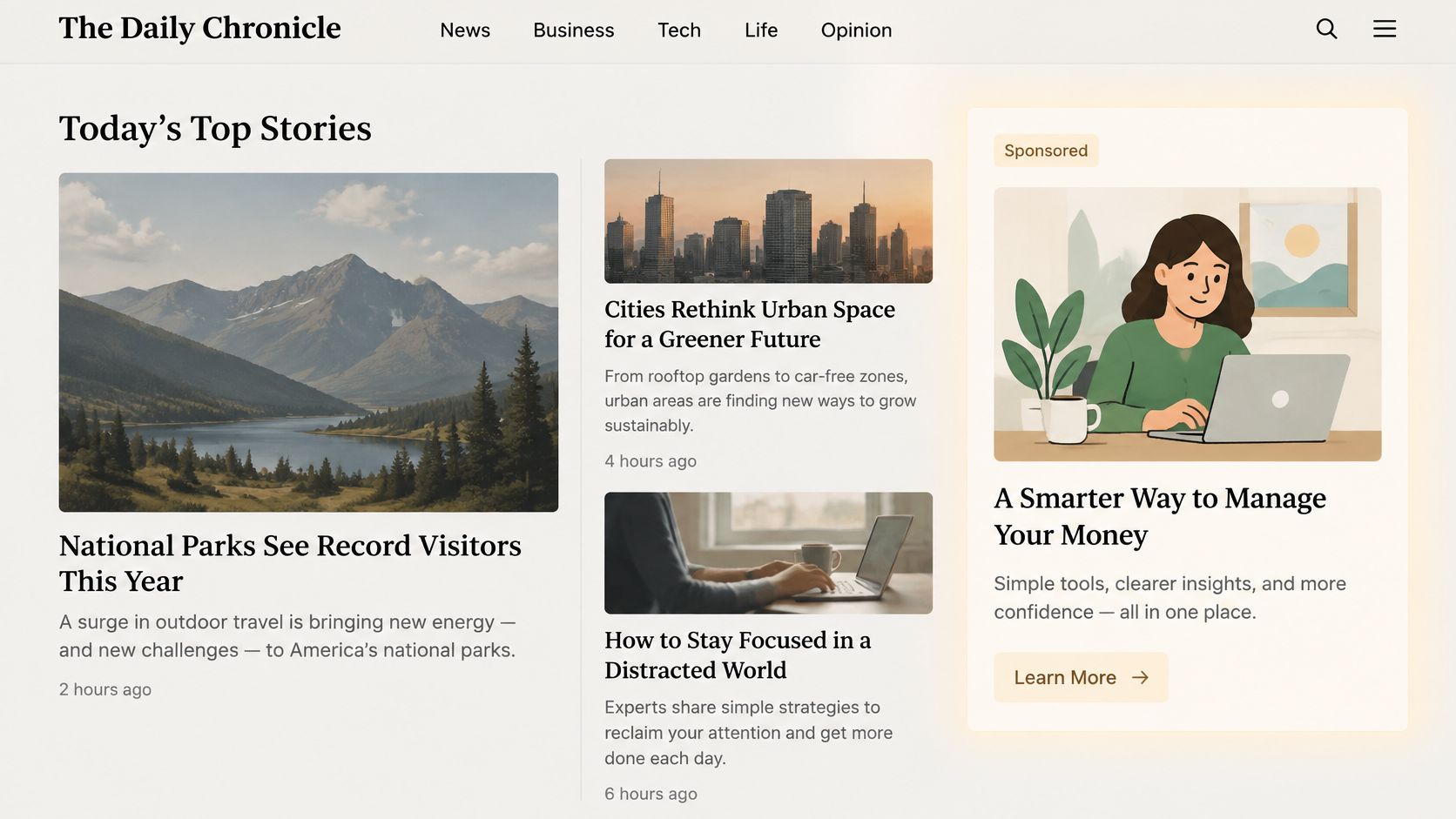
That's the strength of this type of digital marketing. Native placements borrow the format of their surroundings, so advertorials, sponsored articles, and recommended-content widgets can hold attention longer than a banner a reader has learned to ignore. Supplement and beauty brands have used advertorial-style direct-response pages for decades because education sells categories people don't yet understand.
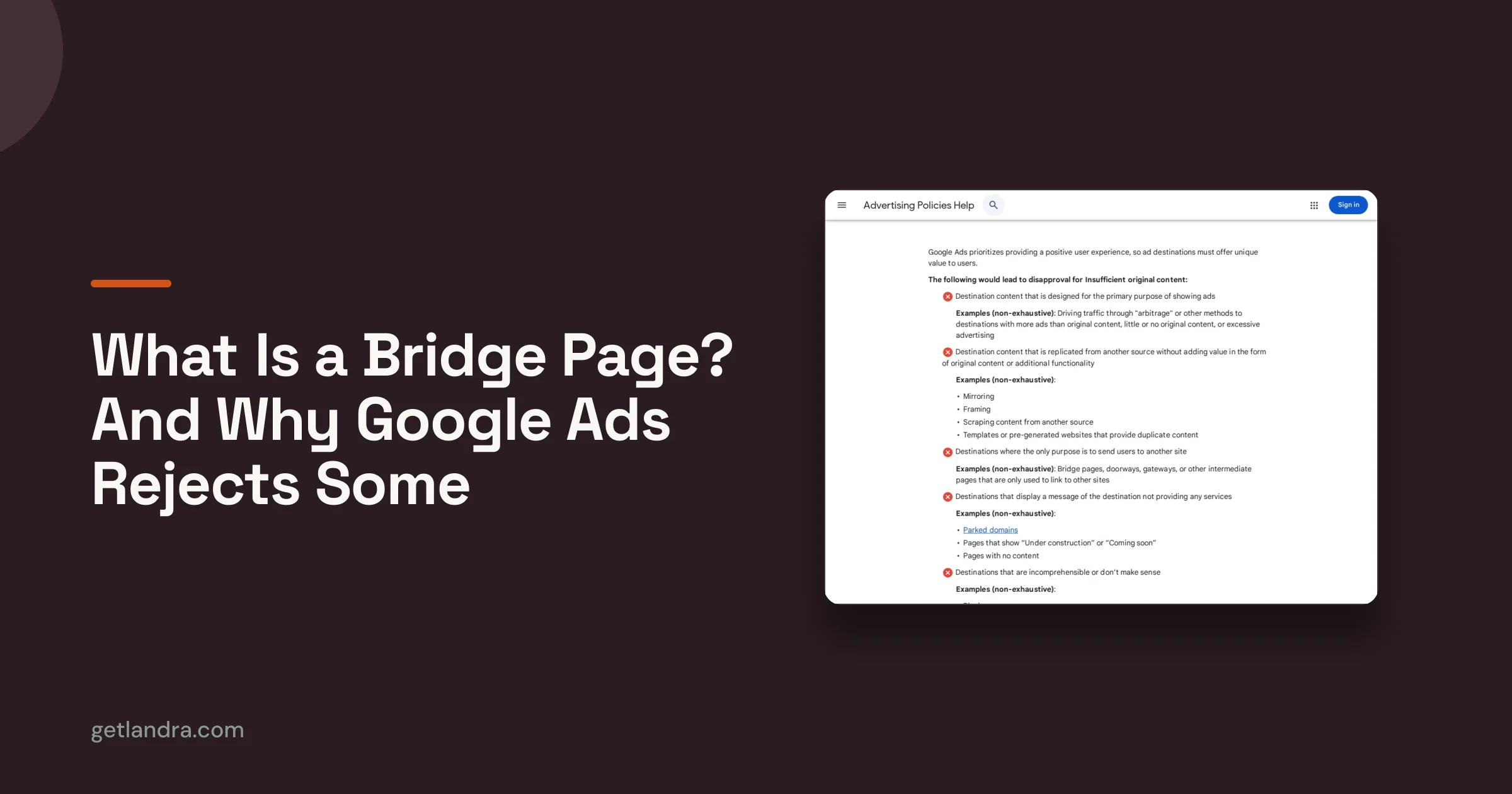
The risk is trust. Blend in too well and you mislead readers and breach platform policy. Keep the sponsored label visible, write in an editorial voice without inventing a fake publication, and review every claim before launch. I recommend running claims through an Advertorial Compliance Checklist even when your legal review is informal, because a disapproved campaign teaches you nothing.
Practical rule: If the headline would embarrass you with the word Sponsored next to it, rewrite the headline.
This channel suits problem-aware readers who'll read a story before they consider a product. Look at native advertising creative tactics and outcomes to see how headline, image, and page structure need to work as one unit rather than three separate assets.
Skip it when your product needs visual demonstration more than explanation, or when you can't produce compliant editorial copy. Native traffic punishes thin pages and exaggerated claims quickly, and cheap clicks to a weak advertorial are still wasted money.
3. Search Engine Optimization (SEO)
SEO is the channel you build while paid media pays the bills. It improves visibility in organic results through technical health, keyword research, on-page quality, and links. It compounds, but it doesn't rescue a launch next week.

The digital marketing environment is shifting without making SEO obsolete. The Semrush traffic channel mix study reports that AI-search traffic grew 66% during 2025, reaching 767 million monthly visits, although it still represented less than 0.15% of total visits, while organic search remained dominant. Don't abandon classic search for answer engines. Diversify so your brand earns rankings, citations, and mentions in both places.
For ecommerce, start where intent is clearest. Backlinko built its audience with detailed guides, but a DTC store usually gets more revenue from listicle and comparison pages targeting best and vs queries. A page for "best magnesium for sleep" answers a purchase question a generic blog post never will.
Where To Put The Effort
- Target long-tail buyer intent: Build around "best [product] for [use case]" before chasing broad head terms.
- Fix mobile speed first: Slow product and article pages lose both rankings and buyers.
- Earn links with assets: Original research, reviews, and useful resources attract links more reliably than outreach alone, and the best backlink sites can help you prioritise placements.
Skip it when you need sales this month to survive. SEO rewards brands that can wait months for compounding traffic, not brands testing whether anyone wants the product at all.
4. Search Engine Marketing (Paid Search / PPC)
Paid search is demand capture, not demand creation. Someone types a product, a comparison, or a competitor name into Google, and you bid to appear at that exact moment. You pay per click, but the click carries intent a feed impression can't match.
That intent changes the landing page job. A searcher comparing two brands doesn't need a long origin story. She needs price, proof, differences, shipping terms, and a reason to choose you now. Google Shopping campaigns work for retailers because the product, price, and image answer the first questions before the click.
Say a skincare brand bids on a competitor term. Sending that traffic to its homepage wastes the signal. A comparison page that names the alternative, concedes where the rival is fine, and wins on ingredients or guarantee converts the consideration the searcher already brought with her.
Controls That Protect Margin
- Align the page to the search term: Mirror the query language in the headline and first section.
- Use negative keywords aggressively: Block irrelevant queries before they drain budget on clicks that were never buyers.
- Test destinations by intent: Try product pages for exact product searches and comparison pages for competitor and "vs" terms.
- Compare with paid social: Search often looks more efficient because it's harvesting demand other channels created, so don't reallocate on last-click data alone.
Skip it when nobody searches for your category yet, or when click costs in your niche exceed what your average order value can repay. You can't capture demand that doesn't exist.
5. Content Marketing
HubSpot didn't grow by running harder ads. It published guides and free resources until buyers trusted it before a sales conversation started. Morning Brew did the same with a daily newsletter people wanted to read. Content marketing trades useful material for attention and trust over time.
For a DTC brand, that doesn't mean publishing generic blog posts about your industry. It means answering the questions and objections that stop a purchase. How does it work, who shouldn't buy it, how does it compare, what do real customers say after a month. Those answers become assets every other channel can reuse in ads, emails, and presell pages.
AI speeds up production, but speed isn't the benchmark. The SAS 2025 global marketer survey reports that 85% of marketers use GenAI, while only 15% have fully integrated it into daily workflows. Treat AI output as modular test assets with brand context, approval controls, and human review for claims, then judge them on conversion and CAC, not output volume.
Content that doesn't answer a buying objection is just publishing. It fills a calendar, not a pipeline.
Repurpose each strong piece into social posts, short videos, and email sections instead of starting from zero each week. If you're building brand awareness through content marketing, the same material can become presell pages for paid social campaigns that carry the argument to cold audiences. Track assisted conversions, because last-click reporting undervalues content that did the early persuading.
Skip it when you won't publish consistently or tie topics to revenue questions. Sporadic, generic content costs time and returns almost nothing.
6. Email Marketing
Email is the channel you own. You control the list, the timing, and the message without renting reach from a platform that can change its algorithm tomorrow. For retention and repeat purchase, no other type of digital marketing gives you that control at that cost.
The 2025 Email Benchmark Report cites Campaign Monitor data showing that 82% of B2B and B2C companies use email-marketing technology. Adoption isn't the advantage anymore. Behaviour is. Broadcast newsletters to the whole list underperform triggered journeys built on what a subscriber did.
Build the flows first. A welcome series lands immediately after signup while interest is warm. Browse and cart abandonment sequences recover shoppers who left mid-decision, which is why Shopify merchants rely on them so heavily. Post-purchase education, replenishment reminders, and win-back offers then turn one order into a second without another ad click.
Segmentation Rules That Matter
- Segment by product interest: Send the sleep buyer sleep content, not your full catalogue.
- Align proof across the journey: Use the same reviews, guarantee, and offer in email that the reader saw on the presell page, so nothing feels contradicted.
- Measure revenue per recipient: Judge flows on cohort revenue and holdout lift, not open rate alone.
- Respect consent visibly: A clear unsubscribe protects deliverability and keeps complaint rates down.
Skip it when you have no list and no plan to build one. Email can't create an audience from nothing, it monetises the audience your other channels earn.
7. Influencer Marketing
A creator your buyer already follows can say in thirty seconds what your ad struggles to prove in a minute. That borrowed trust is the whole value of influencer marketing. Gymshark built much of its early growth through a fitness creator network whose audiences matched its buyers almost exactly.

The common failure is buying reach instead of fit. A large creator whose followers don't buy your category produces views and a painful invoice. A smaller creator whose audience asks product questions in every comment section can drive sales and give you unboxing or review footage worth testing as Meta and TikTok creative.
Negotiate the working details before anyone posts. Agree on usage rights so you can run the content in paid ads, set disclosure expectations, and decide who approves claims. Give the creator talking points on the genuine offer and proof, then let her keep her own voice, because scripted endorsements read as ads and perform like them.
Tracking What Each Creator Earns
- Use unique codes and links: Attribute sales per creator instead of guessing from a traffic spike.
- Send traffic to a dedicated page: Match the page headline and offer to the creator's angle.
- Judge on downstream behaviour: Look at add-to-cart and conversion rate, not follower count or likes.
Skip it when you can't vet audience fit, can't fulfil a sudden demand spike, or expect one post to fix a weak offer. Creators amplify what's already true about your product.
8. Affiliate Marketing
Affiliate marketing flips the risk. Bloggers, review publishers, and creators promote your product through tracked links and earn a commission when a sale or lead happens. You pay for results rather than impressions, which makes it attractive when cash for upfront media is tight.
Amazon Associates normalised the model, but DTC brands get more value from specialist publishers who rank for comparison and review searches. Say a pet site publishes a "best calming chews" roundup. Its readers arrive comparison-minded and partly persuaded, a warmer state than a cold feed click, and your job is to not waste that head start with a mismatched product page.
Low upfront risk doesn't mean low management. Affiliates promote harder when the economics and assets make it easy, and they drift to competitors when your programme is neglected.
Running A Programme That Stays Clean
- Set clear commission tiers: Reward publishers who drive new customers, not just last-click coupon traffic.
- Supply approved claims and creative: Give partners accurate copy, images, and compliance guidelines so they don't invent benefits.
- Monitor for abuse: Watch for coupon misuse and cookie-stuffing that credits sales the affiliate didn't earn.
- Recruit reviewers, not just coupon sites: Comparison publishers create demand, coupon sites mostly intercept it at checkout.
A useful test: If an affiliate disappeared tomorrow and your sales didn't move, you were paying commission on demand you already owned.
Skip it when your margins can't fund a competitive commission or you have no time to manage partners. An unmanaged programme attracts the wrong promoters and undermines your existing sales.
How the eight digital marketing channels compare at a glance
| Channel | Key Advantage | Main Drawback | Best Used For |
|---|---|---|---|
| Paid Social Advertising (Meta and TikTok Ads) | Reaches cold audiences with precise targeting and fast creative testing | Rising acquisition costs, privacy-related signal loss, and creative fatigue | Acquiring new customers and testing offers |
| Native Advertising | Editorial-style content can build trust and explain products | Requires clear disclosure and strong editorial content | Pre-selling products through sponsored articles and recommendations |
| Search Engine Optimization (SEO) | Compounding organic traffic without per-visit media costs | Results take time and rankings can fluctuate | Capturing high-intent organic searches over the long term |
| Search Engine Marketing (Paid Search / PPC) | Reaches users actively searching for products or solutions | Competitive keywords can make campaigns costly to manage | Capturing existing purchase demand |
| Content Marketing | Builds trust and creates reusable assets across channels | Requires ongoing effort, with results and revenue attribution taking time | Educating audiences and supporting SEO, social, and email |
| Email Marketing | Owned audience supports retention and repeat purchases | List growth and deliverability require ongoing attention | Nurturing subscribers and encouraging repeat sales |
| Influencer Marketing | Creator recommendations build credibility and reach niche audiences | Returns can be difficult to measure and partnerships need oversight | Generating social proof and creator-led content |
| Affiliate Marketing | Performance-based commissions limit upfront risk | Commissions reduce margins, and partner quality needs monitoring | Scaling sales through publishers and creators |
Match the Channel to the Buyer, Then Let the Test Decide
Don't start by asking which channel is cheapest. Start with the buyer's awareness stage. A stranger scrolling TikTok needs interruption and education. A searcher typing a comparison needs a direct answer. A past buyer needs a timely reason to return. Each type of digital marketing serves one of those moments well and serves the others poorly.
Pick the one or two channels that reach your stage, then choose the page format to match. Cold, skeptical buyers usually need a narrative advertorial that explains the problem before naming the solution. Warmer, comparison-minded buyers respond better to a scannable listicle that ranks benefits and differences fast. Sending both audiences to the same product page guarantees one of them gets the wrong experience.
Measurement needs the same discipline. Recent analysis from Verndale on marketing analytics and data privacy argues that attribution is shifting from deterministic user-level reporting toward modeled, directional measurement. That means paid social may create demand that branded search later captures, while email looks efficient partly because it reaches people who already know you. Judge each channel against its actual job, using holdout tests and consented first-party data where you can, instead of crowning a winner from one dashboard.
Then test one variable at a time. Keep the offer and traffic source constant, change the page angle or headline, and compare qualified click-through, checkout initiation, conversion rate, and CAC. I recommend resisting the urge to rebuild everything after a weak result, because you won't know which change mattered. Small, clean tests compound into a channel mix you can defend.
For brands ready to build the destination page, Landra generates advertorial, listicle, and presell pages from a product URL, and its Starter plan includes generating a fully optimized landing page from any URL, advertorials and listicles, a click-anything visual editor, and publishing to a Landra URL, Shopify or HTML export. That lets a small team launch a matched page quickly, duplicate it, and change one section per audience angle instead of waiting on a designer for every test. The channel brings the click. The page decides whether it was worth buying.
If your cold traffic is landing on pages built for ready buyers, start by fixing the destination for one campaign. Landra turns a product URL into advertorial, listicle, and presell pages tuned for cold Meta and TikTok traffic, so you can match each channel to the awareness stage it reaches. Generate a page, duplicate it for your next angle test, and let the conversion data pick your winner.