

You've probably seen it already. The ad account starts to feel tired, the same creator-style hook stops holding attention, and the product page that used to convert now looks too cold for the traffic you're paying for. At that point, user generated content strategy stops being a branding exercise and becomes a system problem, because the issue isn't just finding more clips, it's building a pipeline that turns proof into revenue.
Table of Contents
- The UGC Problem Most DTC Brands Hit First
- Recruiting and Vetting Creators Without Buying Junk Content
- Briefs That Actually Produce Usable UGC
- Rights, Moderation, and the DAM Layer Nobody Builds
- Wiring UGC Into Pre-Sell Pages and Paid Social
- Testing, Measurement, and the Operating Loop
The UGC Problem Most DTC Brands Hit First
The first real warning sign is usually not a creative brief failing, it's the ad dashboard getting expensive. CTR softens, thumbstop rate drops, CAC climbs, and suddenly the team is asking for “more UGC” without agreeing on what the content is supposed to do. That's backwards, because a user generated content strategy only works when the content has a defined job inside the funnel.
Start with the job, not the format
UGC does four different jobs in a DTC system. It can interrupt cold traffic, build social proof, answer objections, or close the sale. A single creator video might do all four in theory, but operationally it usually needs a primary job, otherwise the team can't judge whether the asset worked or just looked active.
Many brands confuse UGC, EGC, and creator content. UGC is peer proof. EGC, employee generated content, can carry internal credibility and product knowledge, but it still needs a distribution plan. Creator content can be paid and performance-oriented, which means it should be treated like an acquisition asset, not just a social post.
Practical rule: if you can't tell whether the asset is meant to win the click, deepen trust, or support conversion, the brief is too vague.
A one-page strategy brief fixes that. State the business goal, the channel, the audience, the conversion step, and the specific objection the content has to remove. For example, a cold Meta ad might exist to earn the click, while a PDP testimonial block exists to reassure a shopper who already wants the product but still doubts fit, quality, or outcome.
The operational payoff is clarity. When the role is specific, you can assign different creative treatments to different placements and stop expecting a single asset to carry the whole funnel. That is also why proof-led selling works better than “post a hashtag and hope,” since shoppers now expect evidence before they commit. The broader trust shift toward peer-created content is strong enough that 84% of consumers trust peer recommendations over any other source, 79% say UGC strongly affects purchasing decisions, and 40% of shoppers say they will not buy from a brand or retailer website if there is no UGC on the product page according to the industry summary at EveryoneSocial's UGC statistics roundup.

A clean way to frame the plan is to map the asset to the funnel stage and decide whether it belongs on paid social, a PDP, a pre-sell page, or in retention. If the goal is acquisition efficiency, it's worth studying how brands think about reducing customer acquisition cost before they ask creators for another round of content. If the goal is trust, the same clip might belong in a product review module instead of an ad.
Recruiting and Vetting Creators Without Buying Junk Content
The fastest way to waste budget is to pay for content that looks like content. It might be polished, but if it feels staged, the audience scrolls right past it. The better sourcing motion starts with where credibility already exists, then filters hard before money changes hands.
Where quality usually comes from
Existing customers are still the cleanest source because they already know the product and don't need much education. Micro-creators on short-form platforms are the next practical layer when you need volume and a repeatable style. Agency networks and UGC marketplaces can work too, but only when someone on your team is still doing the same vetting work you'd do manually.
The quality filter should be simple and strict.
- Authenticity signals: real product use, normal environments, and no stock-photo lighting or awkward scripts.
- Audience fit: the creator's niche, geography, and engagement quality need to match the intended customer.
- Compliance readiness: disclosure habits, willingness to sign usage terms, and a clean contract posture matter as much as the content itself.
If any one of those is weak, the content gets more expensive to salvage later. That's especially true when the asset is supposed to live on a paid ad or a landing page, because a technically usable clip can still fail if it feels disconnected from the rest of the journey.
Incentives change behavior
Paid flat fee is the cleanest model when you need deliverables on a deadline. Gifting plus commission can work when the creator is already close to the category and likely to overdeliver on enthusiasm, but it creates less control over timing. Revenue share and ambassador programs make sense when you want a longer relationship, yet they also require tighter tracking and more patience than a small team usually has.
A useful mental model is to ask what kind of behavior the incentive creates. Flat fee buys output. Commission nudges performance. Ambassador structures buy consistency, but they also demand more administration and more follow-up. If you're not ready to maintain that system, don't pretend it's a community program.
When you're recruiting, a practical way to improve the odds is to give candidates a short reference on what good short-form execution looks like. A useful external primer is TransClipper's best TikTok tips for creators, especially if your sourcing motion depends on creators who understand pacing, hook construction, and the habits of mobile-first viewers.
Keep the weekly sourcing loop small. One person can usually review a focused batch better than a whole team can skim a giant spreadsheet.
The point isn't to buy more people. It's to buy better inputs so the rest of the pipeline isn't forced to rescue weak material.
Briefs That Actually Produce Usable UGC
A brief is not a prompt. It's the contract that tells the creator what problem the asset has to solve, what the finished clip needs to look like, and what the brand won't compromise on. Vague asks like “show the product naturally” produce vague content, which is usually the same as unusable content.
A general collection brief
For organic UGC, the brief should be short and specific. Ask for the format, the use case, the product moment, and the angle. If you need reviews, unboxings, or lifestyle clips, say so directly and include examples of the context you want, like morning routines, desk setups, or before-and-after usage.
The language should keep the creator in a real-life frame. That means asking for honest reactions, visible product interaction, and a natural speaking style. It also means defining any must-have disclosure language up front so nobody has to negotiate compliance after the footage is already shot.
A paid-ad brief needs more structure
Paid UGC is a different assignment because the asset has to survive in a feed, earn the click, and still make sense after the click. The creative brief should cover hook style, first-three-seconds motion, on-screen text, caption tone, and platform-specific sizing. If the asset is going to route into an advertorial or listicle, the visual language has to match the page the user lands on, otherwise the transition feels jarring and the trust you built in the ad gets wasted.
That's why good briefs often include the destination page, not just the product. If the ad frames the product as a comparison, the page should keep that same comparison logic. If the ad leads with an objection, the landing page should answer it in the first screen or two.
Useful constraint: ask for one primary promise, one objection, and one proof point. More than that, and most creators start writing around the brief instead of inside it.
There's also a technical reason to be strict. Short-form creative performs better when the structure is easy to read on mute, which is why good creators think about pacing, framing, and text overlays. If you want a reminder of how creators think through the platform mechanics, the article on turn comments into data is a helpful adjacent read for teams that treat audience language as an input, not an afterthought.
A strong brief doesn't just improve quality. It makes revision cheaper, because you can tell the difference between a good take that needs polish and a bad take that needs to be scrapped.
Rights, Moderation, and the DAM Layer Nobody Builds
Most teams can get content. Fewer teams can use it safely and repeatedly. The missing layer is the operational one, rights, approvals, storage, naming, expiry tracking, and a place where the same asset can be found by paid media, lifecycle, and web teams without a scavenger hunt.
Rights should be specific, not assumed
The permission ask should cover organic usage rights and, when needed, paid usage, web usage, and email usage. A default window of rolling 12 to 24 months is a practical operating range when you want assets to stay live long enough to matter, but the main control is expiry tracking, not the length itself. If a winning ad later loses permission, the team shouldn't discover that only after performance starts to dip.
The easiest system is to store rights alongside the asset, not in a separate inbox thread. If a creator approves paid use on Meta, that needs to be visible on the file record. If the permission ends, the asset should be tagged for removal or refresh before it becomes a problem.
Moderation needs two passes
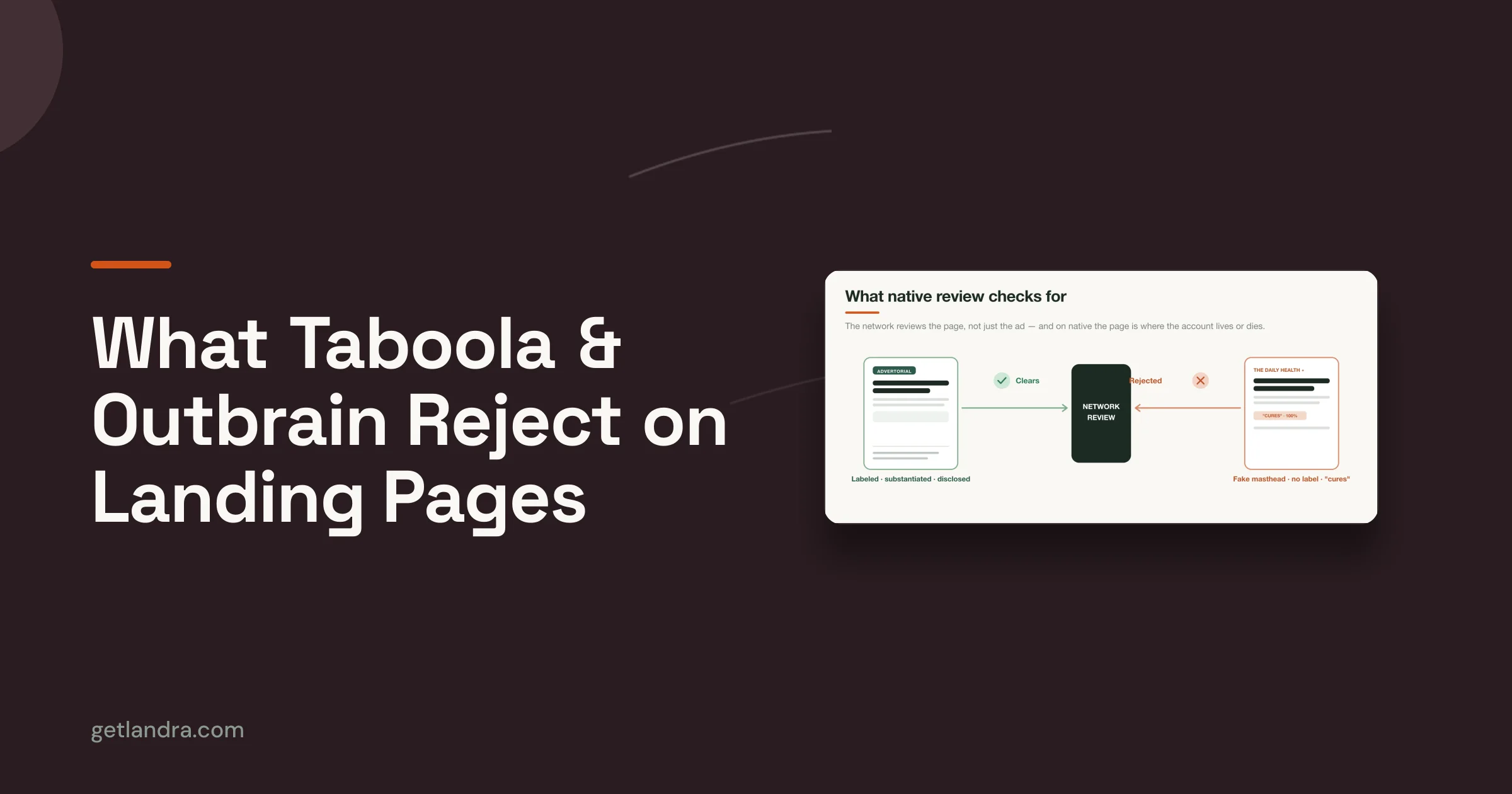
A lightweight review is usually enough for product page modules and email reuse. Paid amplification deserves a stricter pass, because the content has to survive brand scrutiny, platform policy, and scrutiny from a colder audience. That second pass should check claims, disclosures, visual consistency, and whether the clip still feels credible when detached from the creator's original context.
The storage question is more practical than philosophical. A Google Drive folder can be enough early on if the team is small and the asset count is modest. Once the library starts growing, a dedicated DAM or DAM-style workflow becomes worth it because searchability matters more than raw storage. If one buyer can't find the right clip, the library is not really a library.
| UGC Rights Coverage by Channel | Rights needed | Default window |
|---|---|---|
| Organic social reposts | Organic repost and creator credit | As long as the post remains live or until the creator revokes it |
| Paid social ads | Paid usage, platform-specific amplification rights | Rolling 12 to 24 months |
| Website modules | Web and owned-media usage | Rolling 12 to 24 months |
| Email campaigns | Email and owned-media usage | Rolling 12 to 24 months |
The organizational goal is findability. Use consistent tags for product, angle, creator type, usage channel, and expiry date, then make those tags part of the upload habit. Adobe's guidance on centralized asset management points in the same direction, and Shopify's broader UGC workflow view reinforces that the content only works when it's integrated into the full operating system rather than left in isolated folders. The fuller guide from Adobe's user-generated content and digital experience overview is useful context for teams that need a centralized model.
Wiring UGC Into Pre-Sell Pages and Paid Social
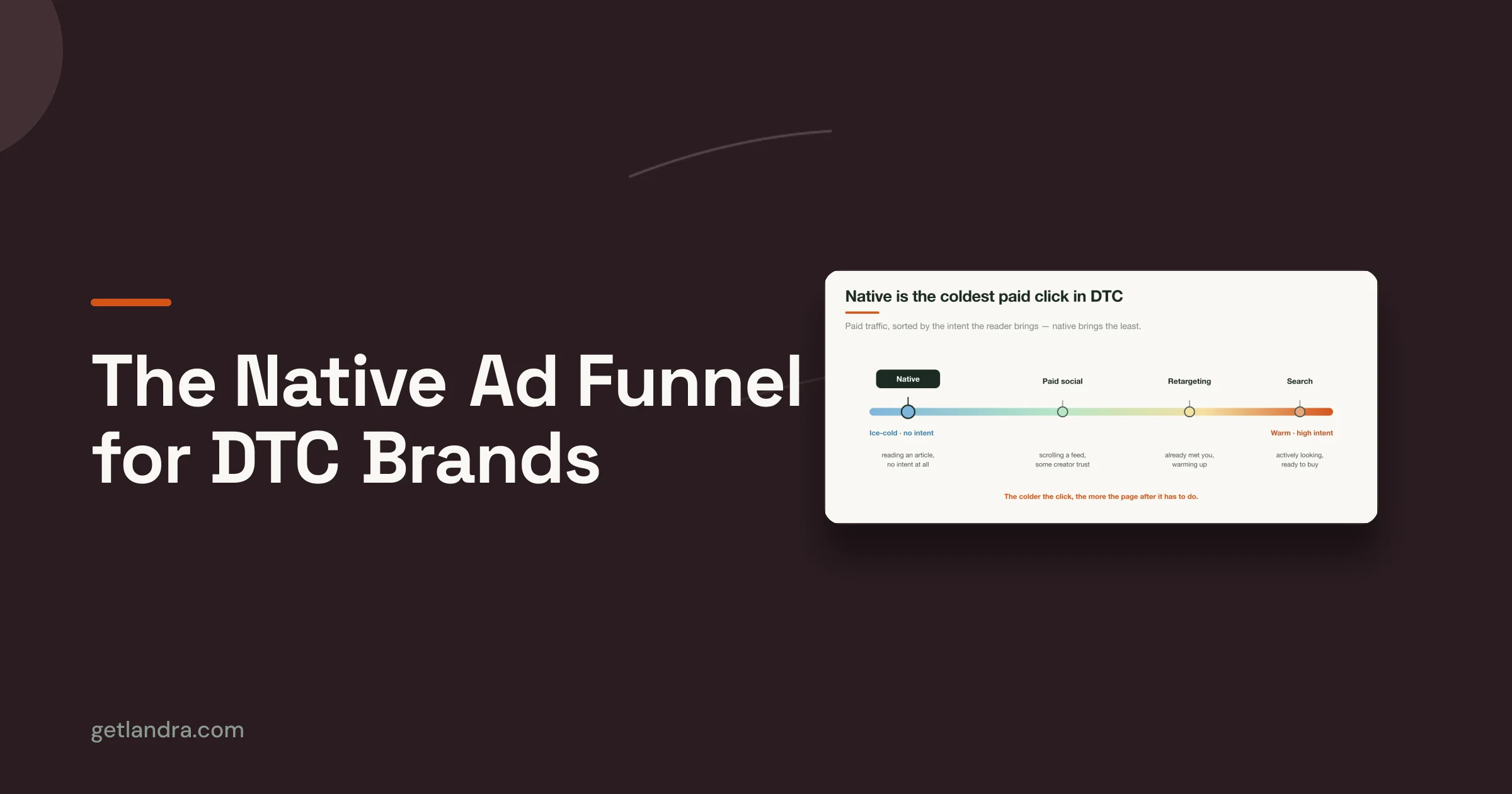
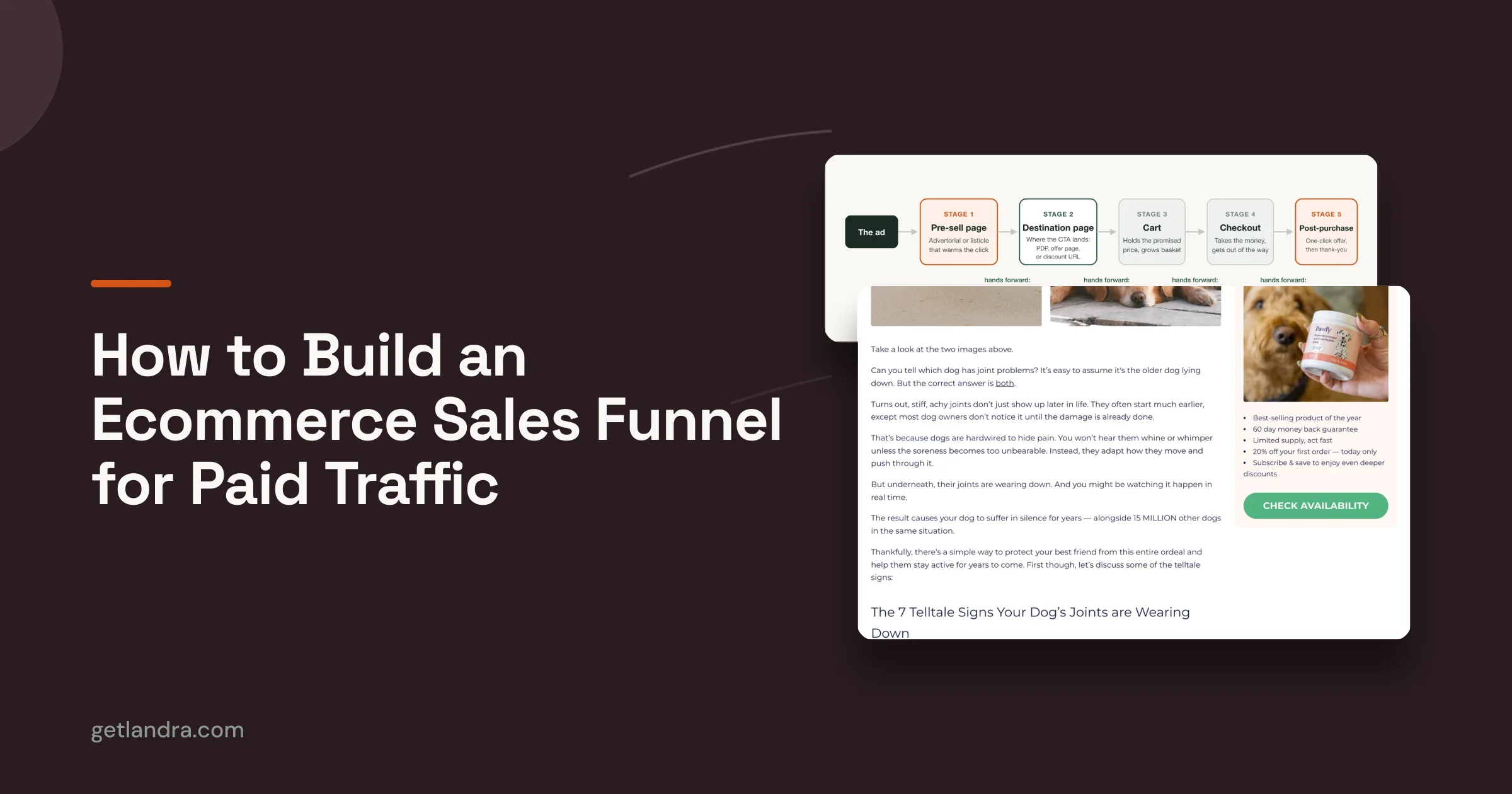
A strong UGC ad should not send cold traffic straight to a product page and hope the shopper figures it out. It should hand the visitor to a page that continues the same conversation the creator started on camera. That's the logic behind pre-sell pages, advertorials, and listicles, because they let the proof and the pitch live in the same narrative.

Keep the promise continuous
The job is to mirror the creator's hook, objection handling, and tone on the landing page. If the ad frames the product as a fix for a specific frustration, the page should open by acknowledging that frustration before it moves into features or benefits. If the ad feels conversational, the page copy should not suddenly sound like a brochure.
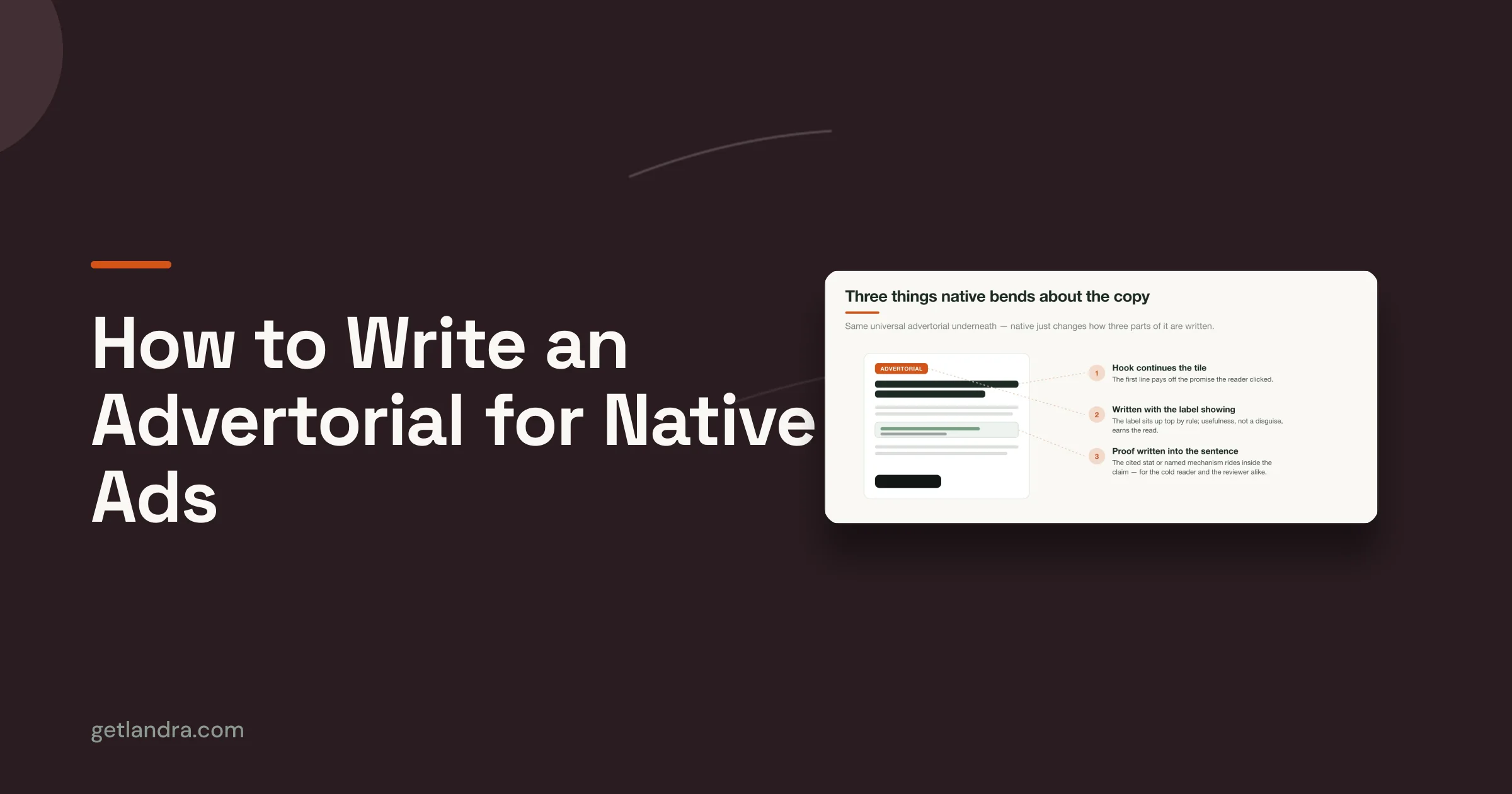
That's where advertorials and ranked listicles pull their weight. A listicle can place UGC quotes between ranked items as social proof, while an editorial-style page can expand the creator's claim with screenshots, comparison framing, or proof blocks that remove friction. The page doesn't need to be flashy. It needs to feel like the same argument, just with more room.
The workflow is straightforward when the tooling is built for it. Take the product URL, generate the pre-sell draft, inline-edit headlines and proof blocks, then swap in creator quotes or screenshots where they reinforce the argument. If the page is meant to route paid traffic, the handoff should happen in a few controlled steps rather than through a full rebuild every time a new creative angle wins.
A good test is visual continuity. If the ad uses a muted palette and clear type, the page shouldn't suddenly become loud and cluttered. The content can be persuasive without looking disconnected. The fewer surprise transitions the shopper experiences, the more likely they are to keep reading instead of bouncing.
There's also a practical routing layer here. A strong UGC creative can be duplicated into several page variants so each creator angle gets its own destination without starting from scratch. That makes it easier to test a testimonial-led page against a comparison-led page or a problem-solution page against a ranked list page. Paid social landing pages are most useful when the page structure changes with the ad angle, not after the traffic already lands.
The main mistake is treating the landing page as a generic destination. Cold traffic needs a continuation of the story, not a detour into a standard product detail layout.
Testing, Measurement, and the Operating Loop
A UGC program without measurement is just content production. The useful loop is simple enough to run weekly, but only if the team agrees on baselines, targets, and kill rules before the first asset goes live. Nosto's measurement framework is the right shape here, because it starts with goals and KPIs, then moves to benchmarking and iteration rather than hoping engagement will somehow equal revenue Nosto's guide to measuring UGC.
Measure the right thing first
Likes and raw views can be nice signals, but they don't pay the bills. The metrics that matter are the ones tied to downstream movement, especially CTR, conversion rate, CPA, and ROAS. When the same content lives across ads and landing pages, the key question is whether the variant outperforms the next best version.
The cleanest setup is to establish the baseline before collection starts. Then define a target for each channel and asset type, because a clip that works as a thumbstopper may not be the same clip that wins on a product page. Separate the ad test from the page test whenever possible so you know what changed performance.
A simple operating loop keeps the team honest
- Define baseline KPIs for the current ad and page stack.
- Set numeric targets per channel so “better” means something concrete.
- Run structured A/B tests with duplicated variants, not random one-off edits.
- Feed the winning angle back into the next batch of briefs.
Don't retire an asset just because the comments slowed down. Retire it when it stops carrying its weight against the next variant.
The data-supported ranges in the broader market are helpful for calibration. Industry reporting summarized in the brief shows UGC-enabled pages can produce 74% to 161% higher conversions than pages without UGC, UGC ads can deliver about 4x higher click-through rates, and some reports cite 50% lower CPC versus traditional creative. Those are useful reference points, but the answer is still your own data, because creative, offer, and audience all change the result.
The last layer is discipline around iteration. A test is only useful if the winner is duplicated into the next round and the losers are removed or archived cleanly. If you want a practical guide for this part of the workflow, the landing page split testing resource is a good match for teams that need to connect creative tests to page tests without losing control of the experiment.
If you want to turn UGC into a real operating system, not another pile of clips in a shared drive, visit Landra. It's built for DTC teams that need pre-sell pages, advertorials, and listicles wired to paid social without rebuilding every test from scratch. Use it when you're ready to connect creator proof to landing pages that carry the same argument all the way to checkout.